Enterprise Systems
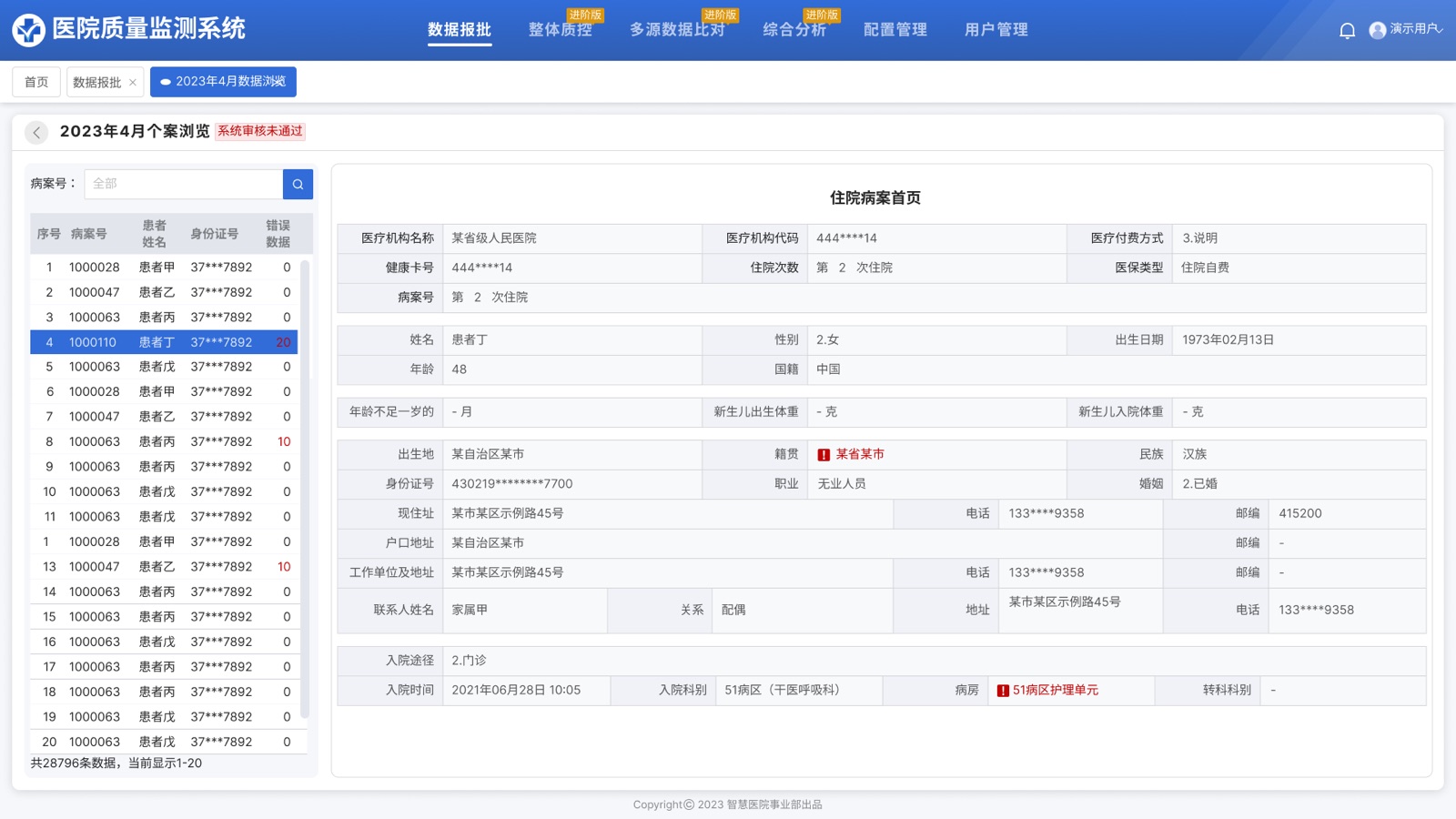
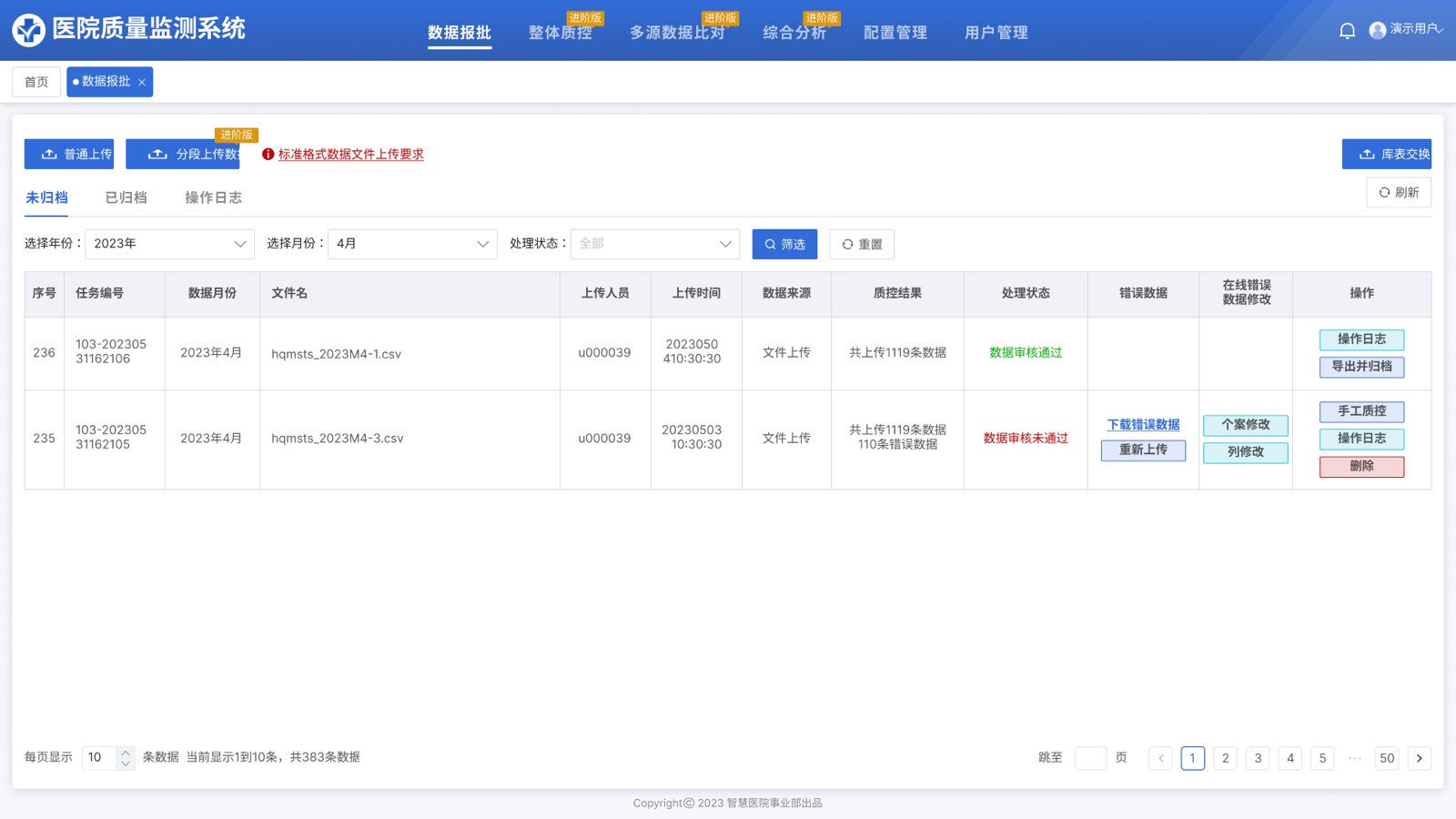
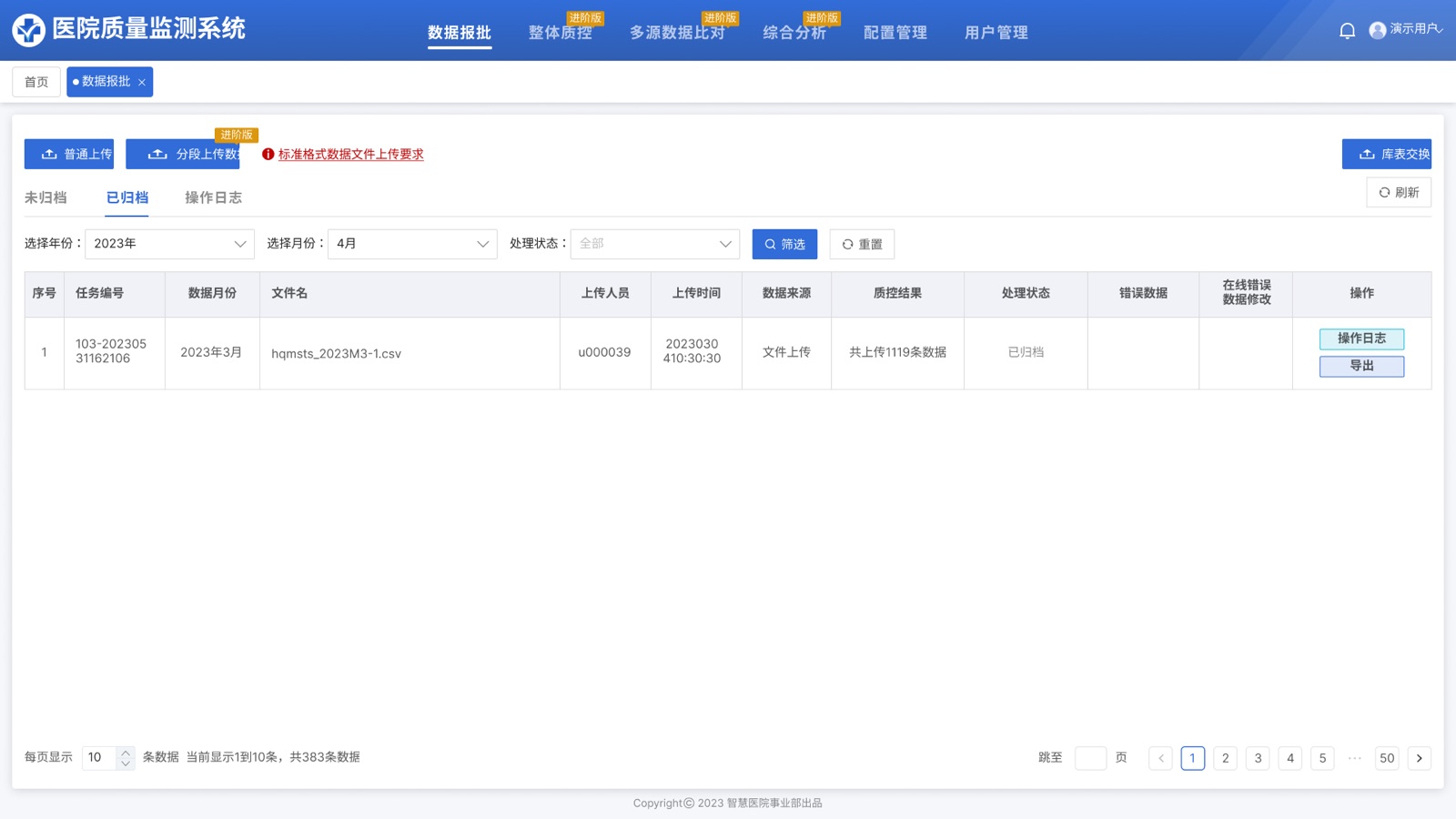
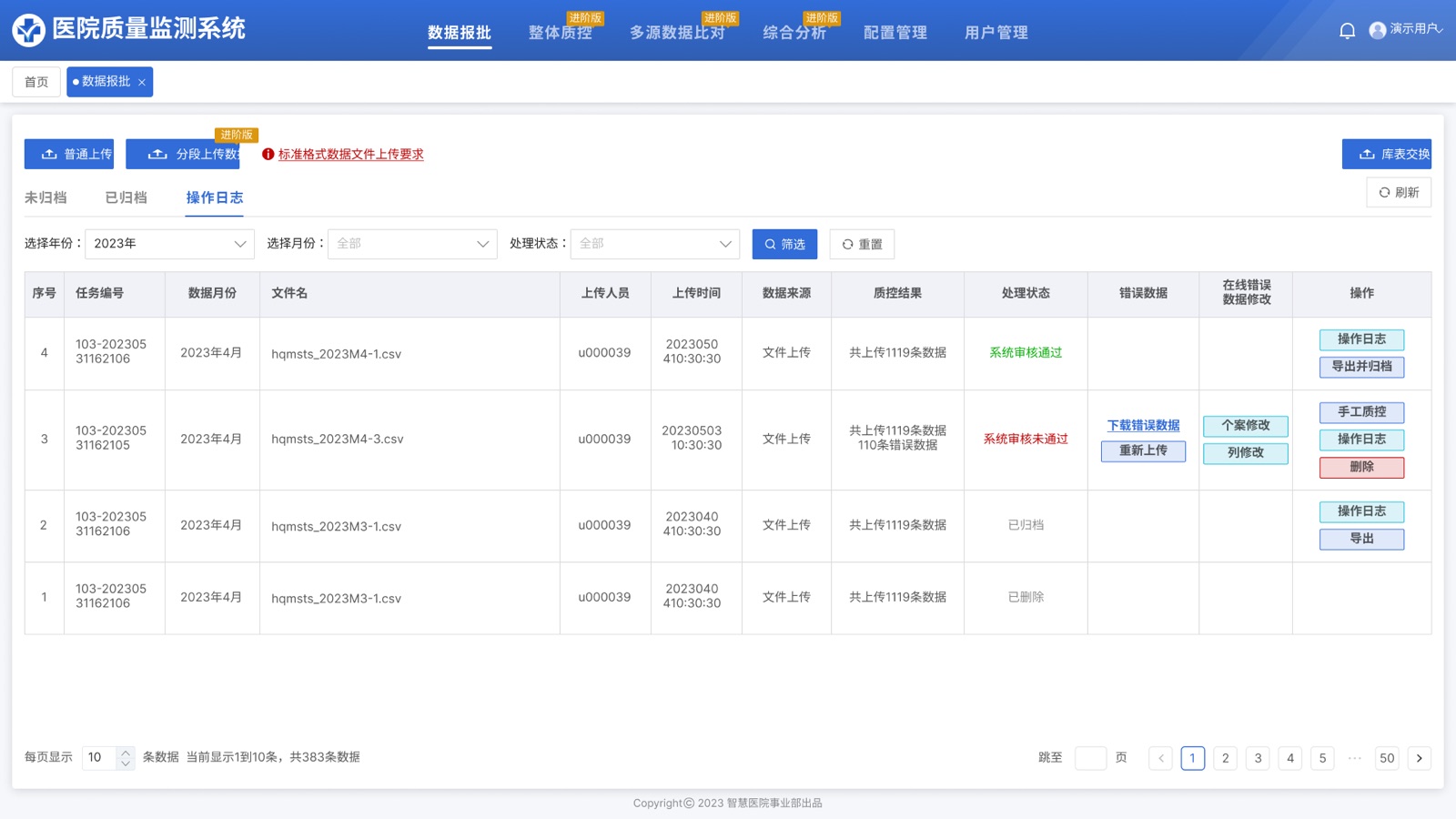
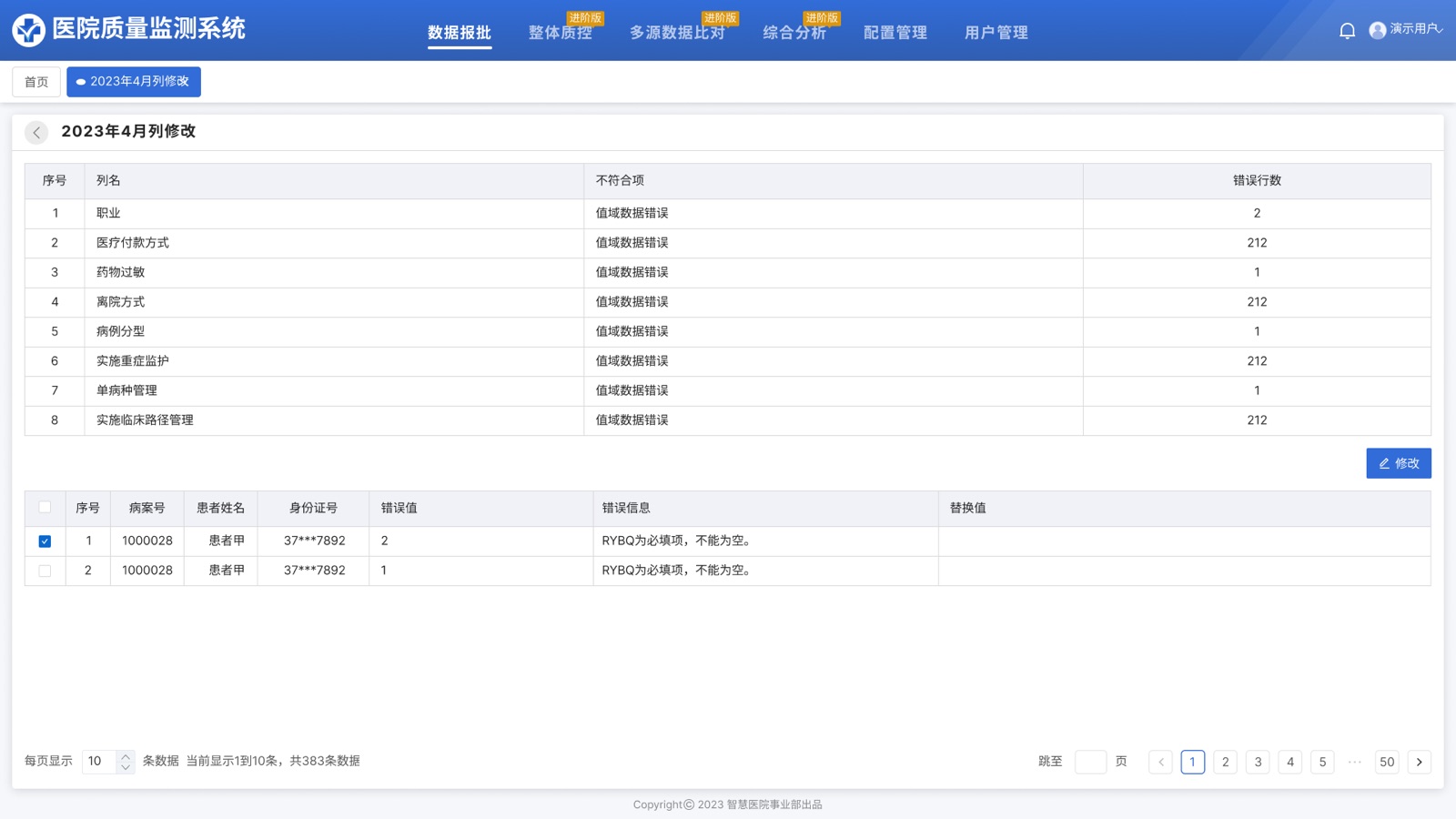
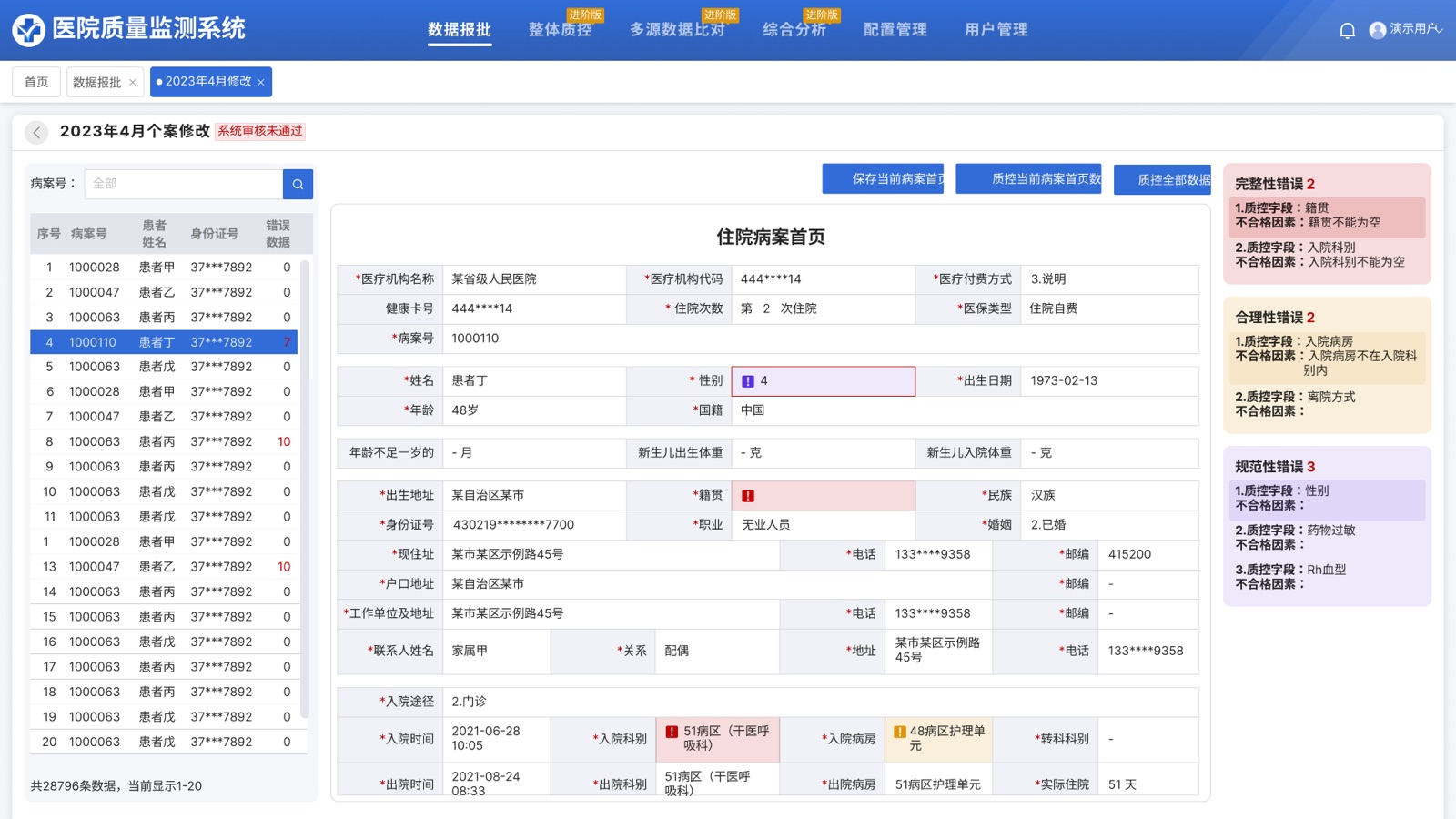
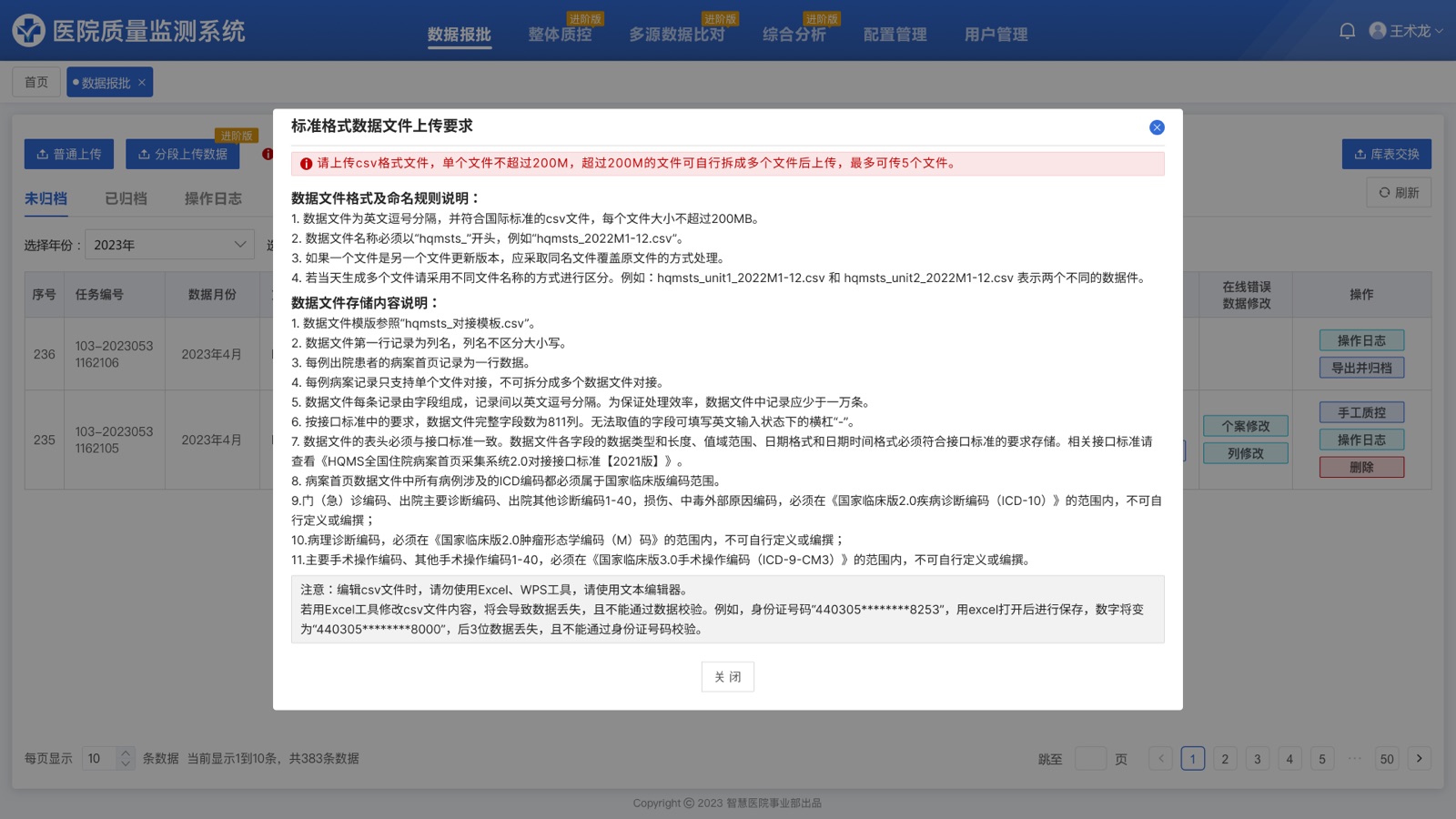
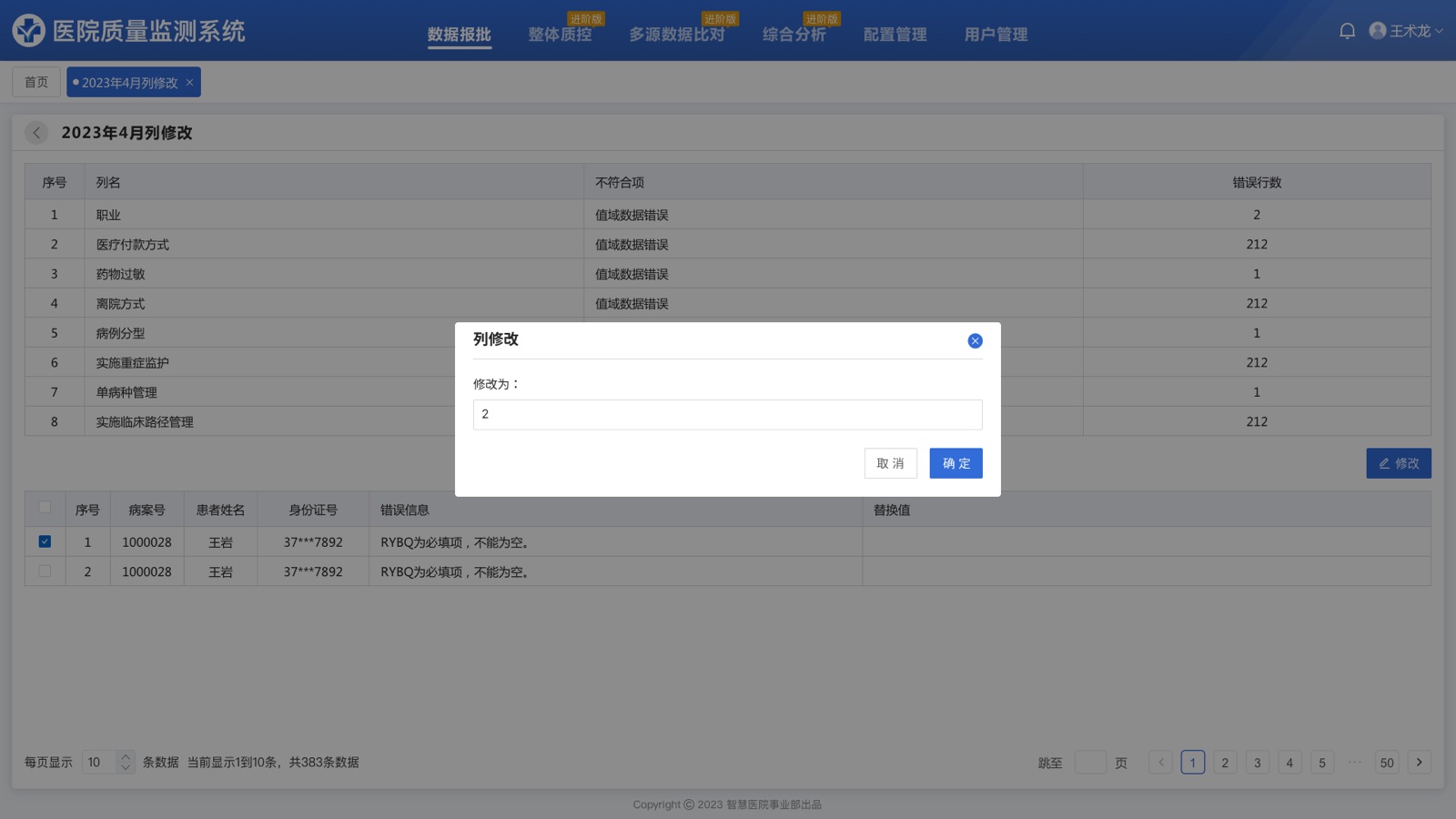
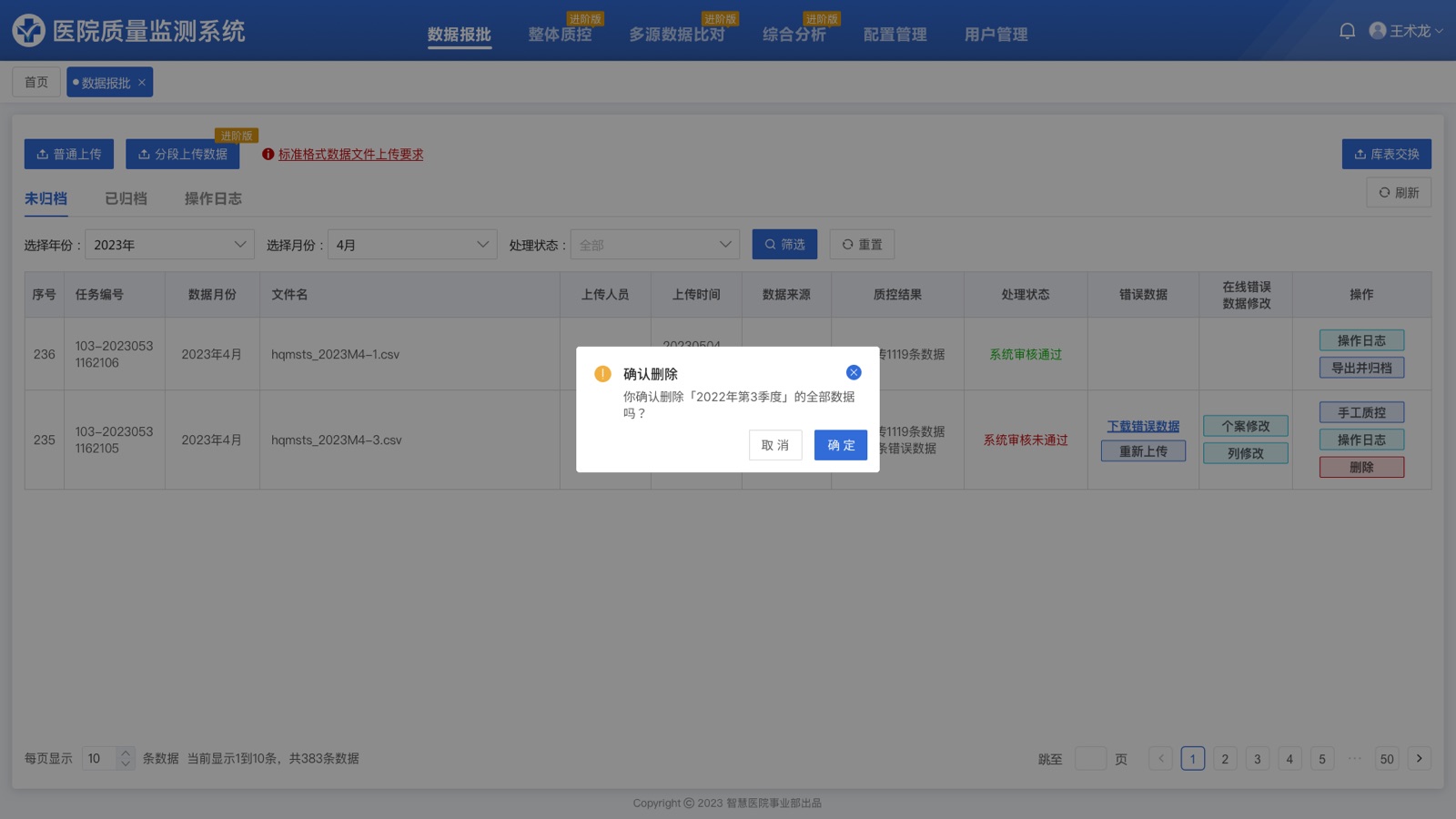
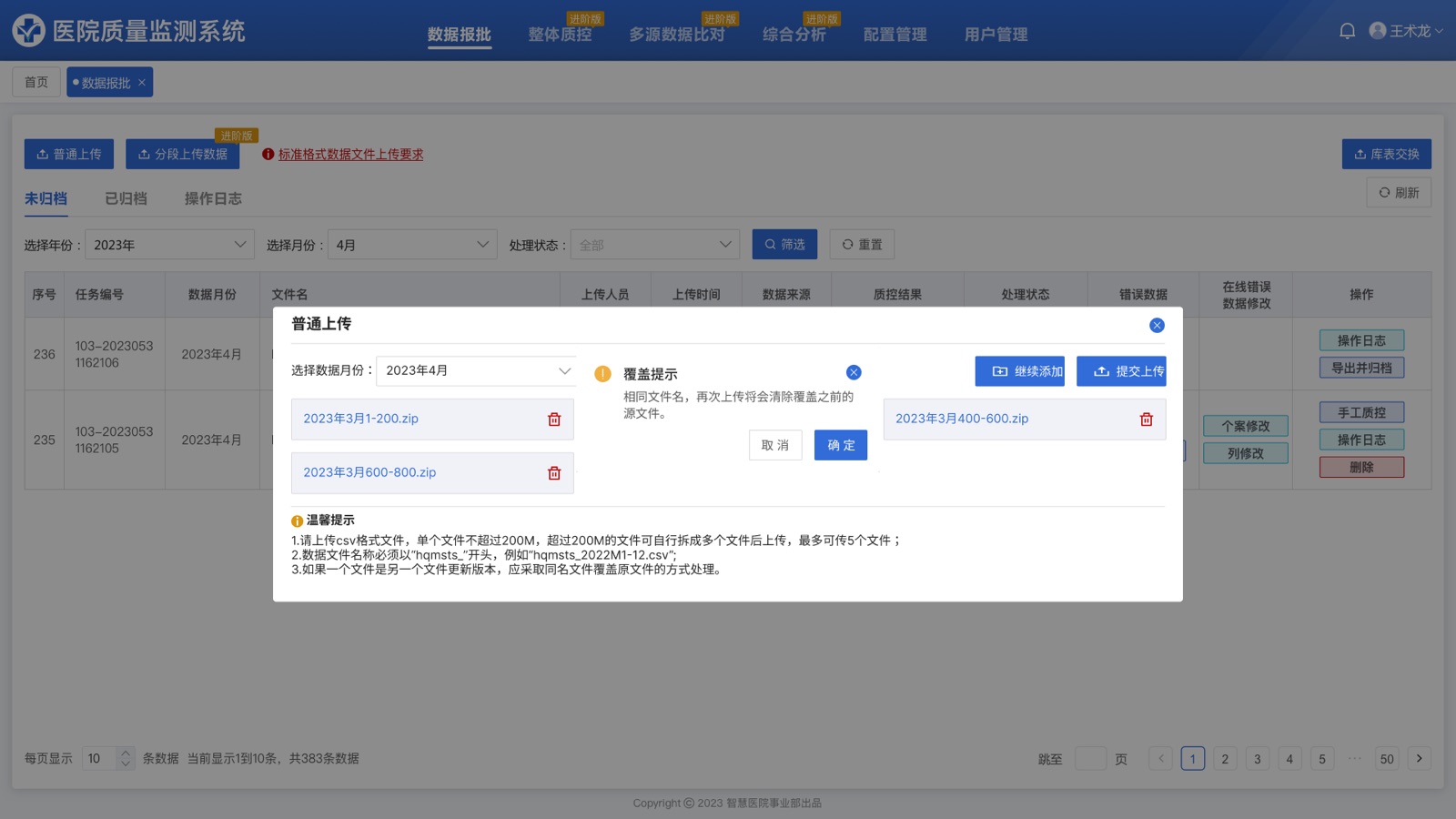
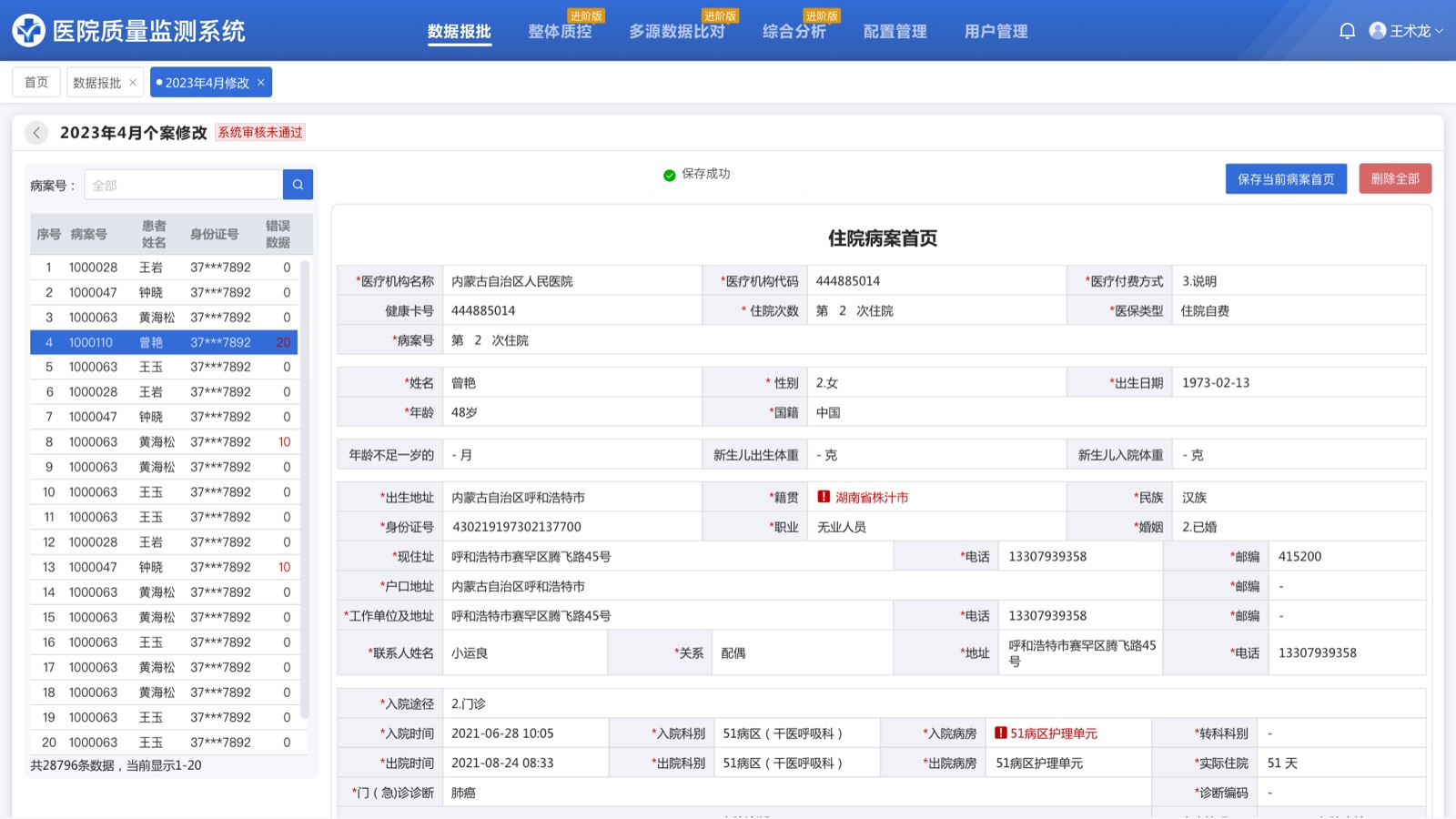
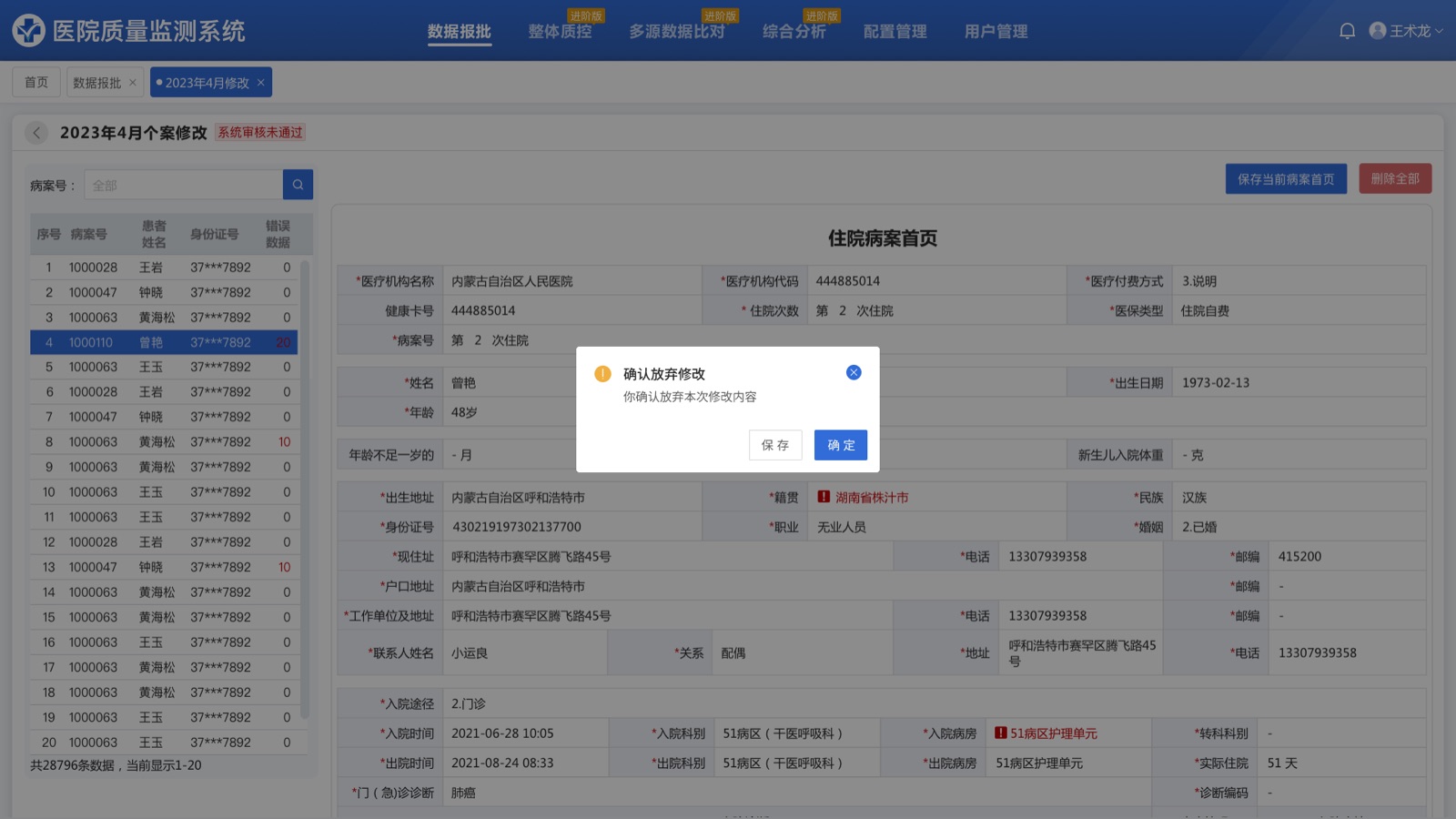
Hospital Quality Monitoring System
Case records, data submission, and operation logs are organized within one quality-management chain.
Field grouping reduces input effort, while uncatalogued, archived, submitted, and logged states create an auditable workflow.
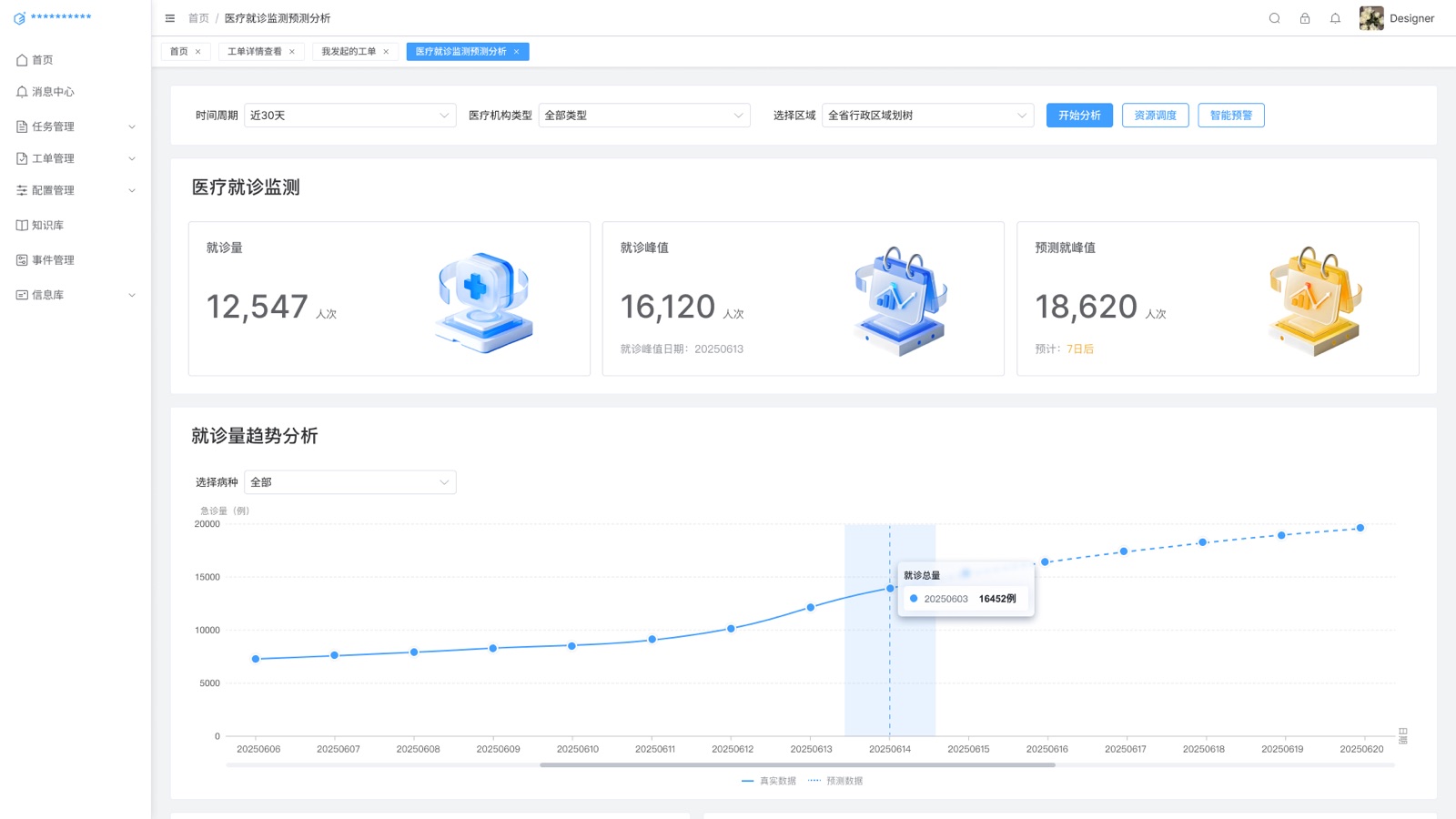
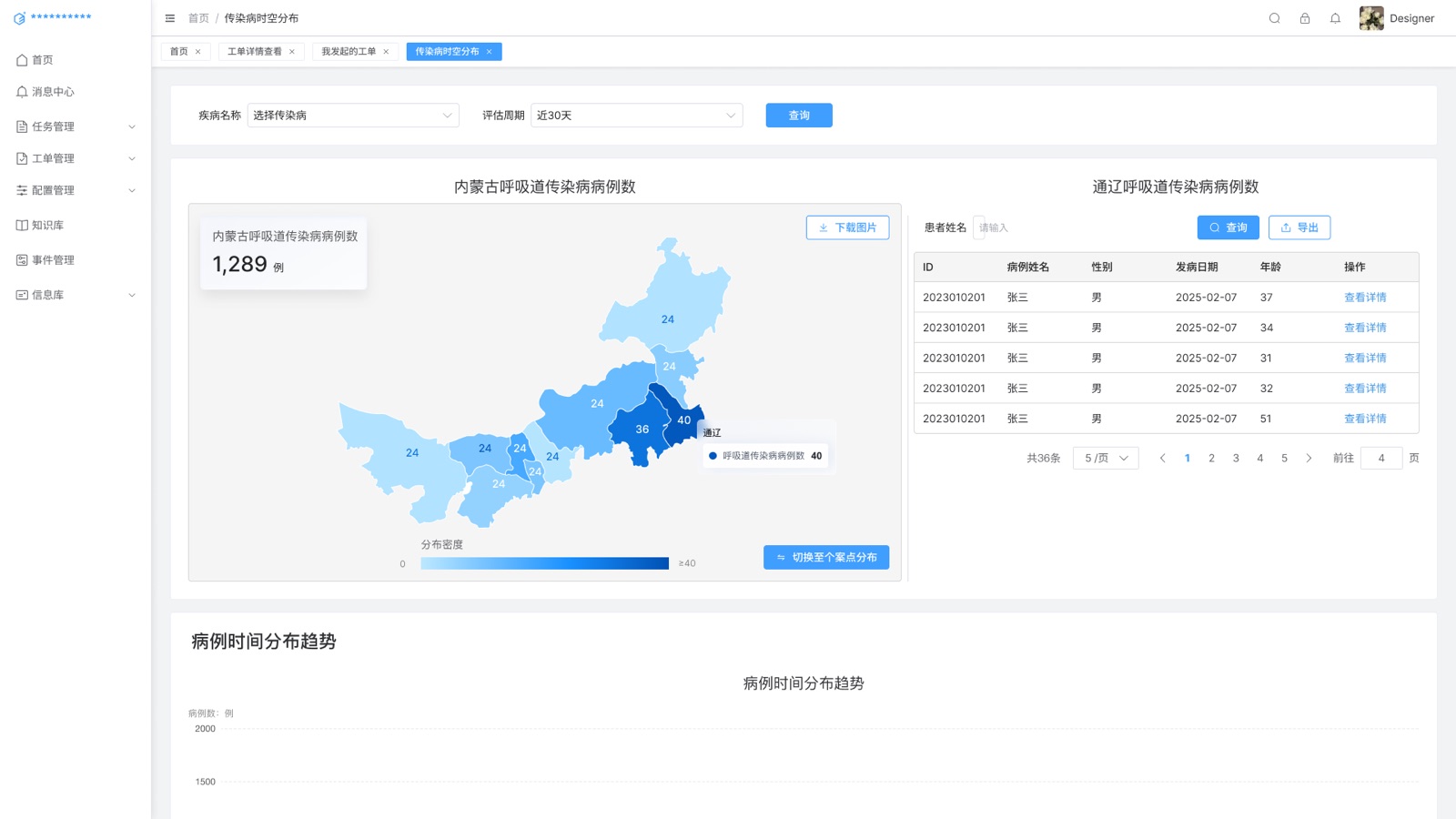
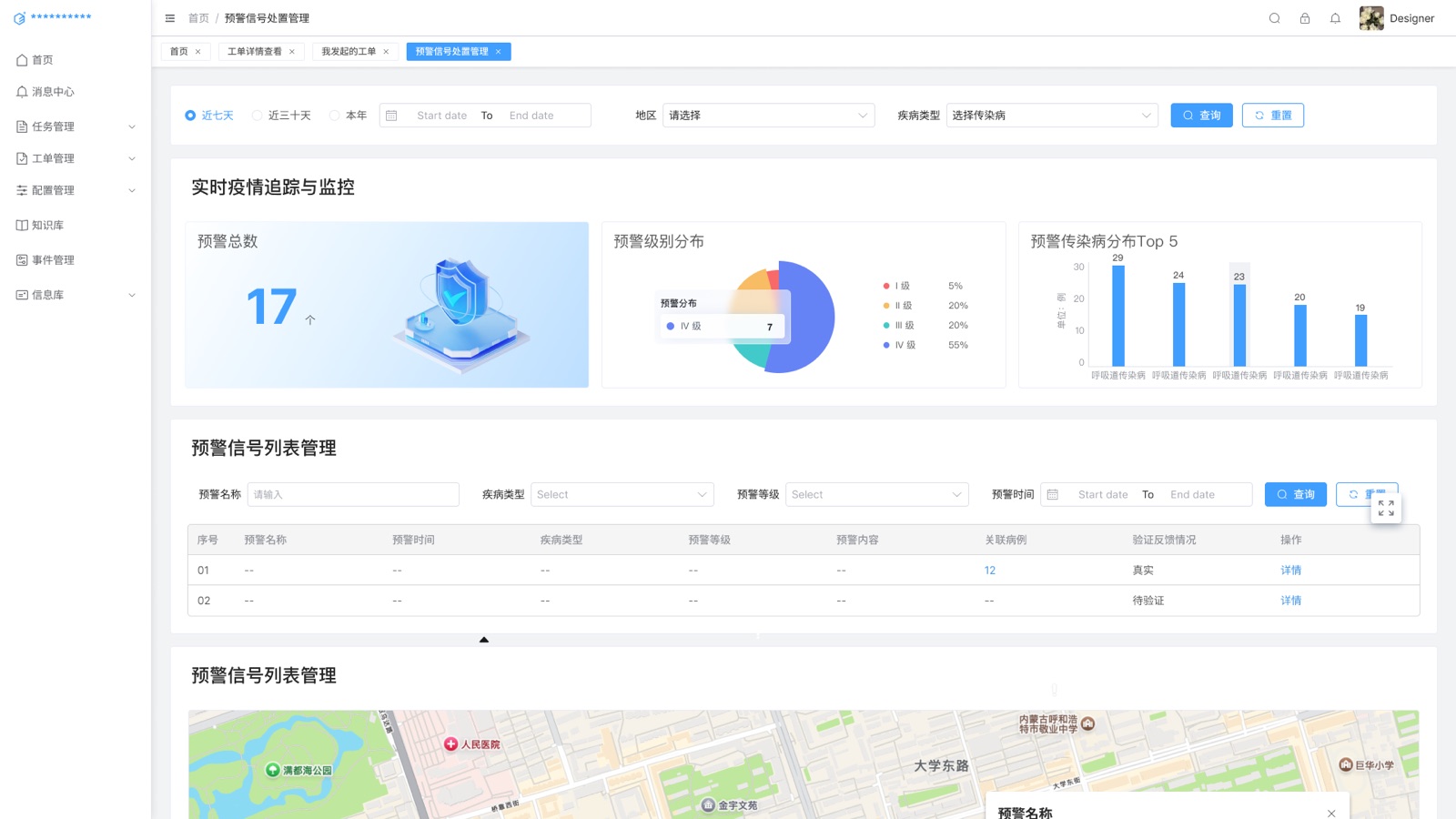
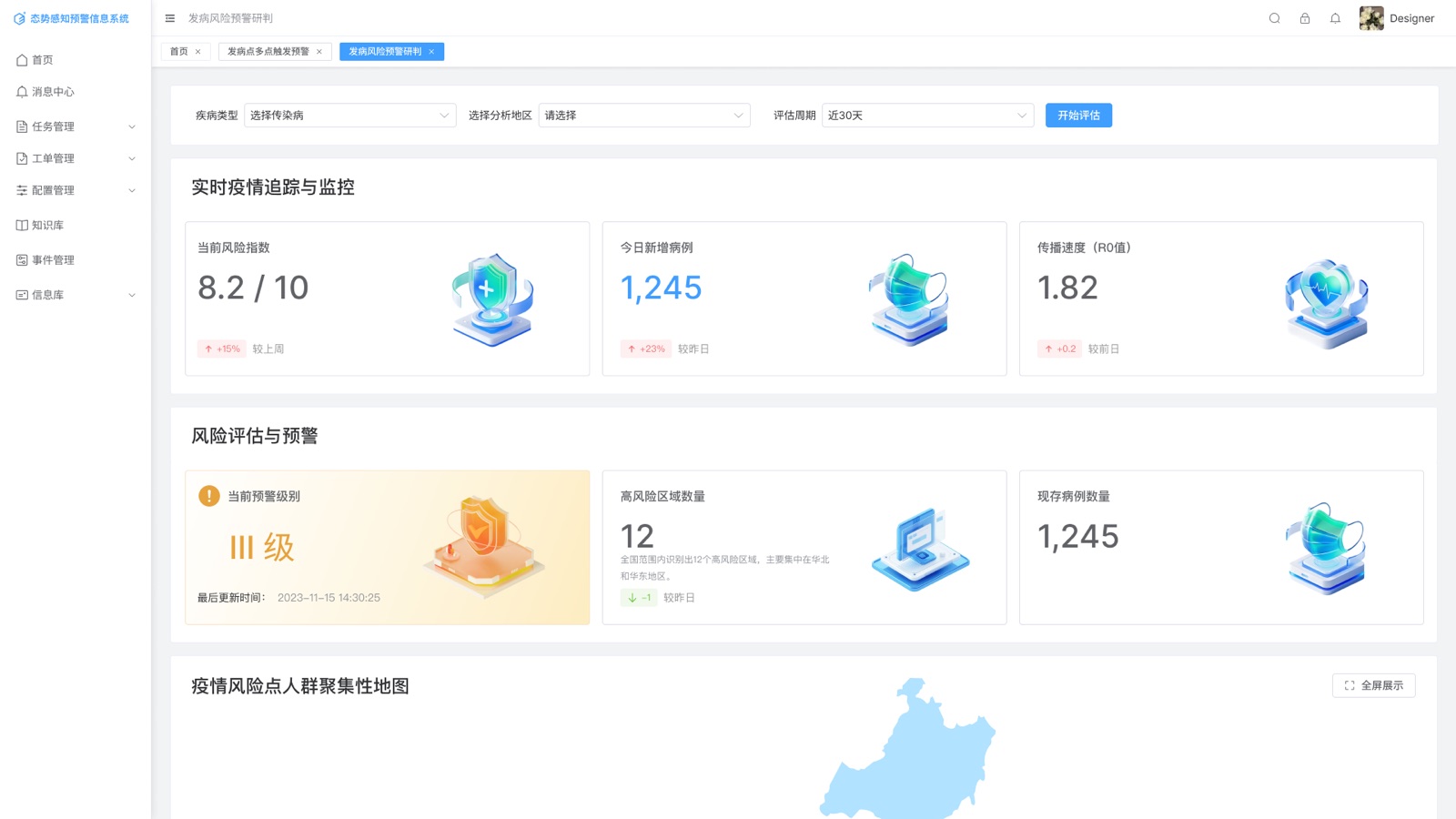
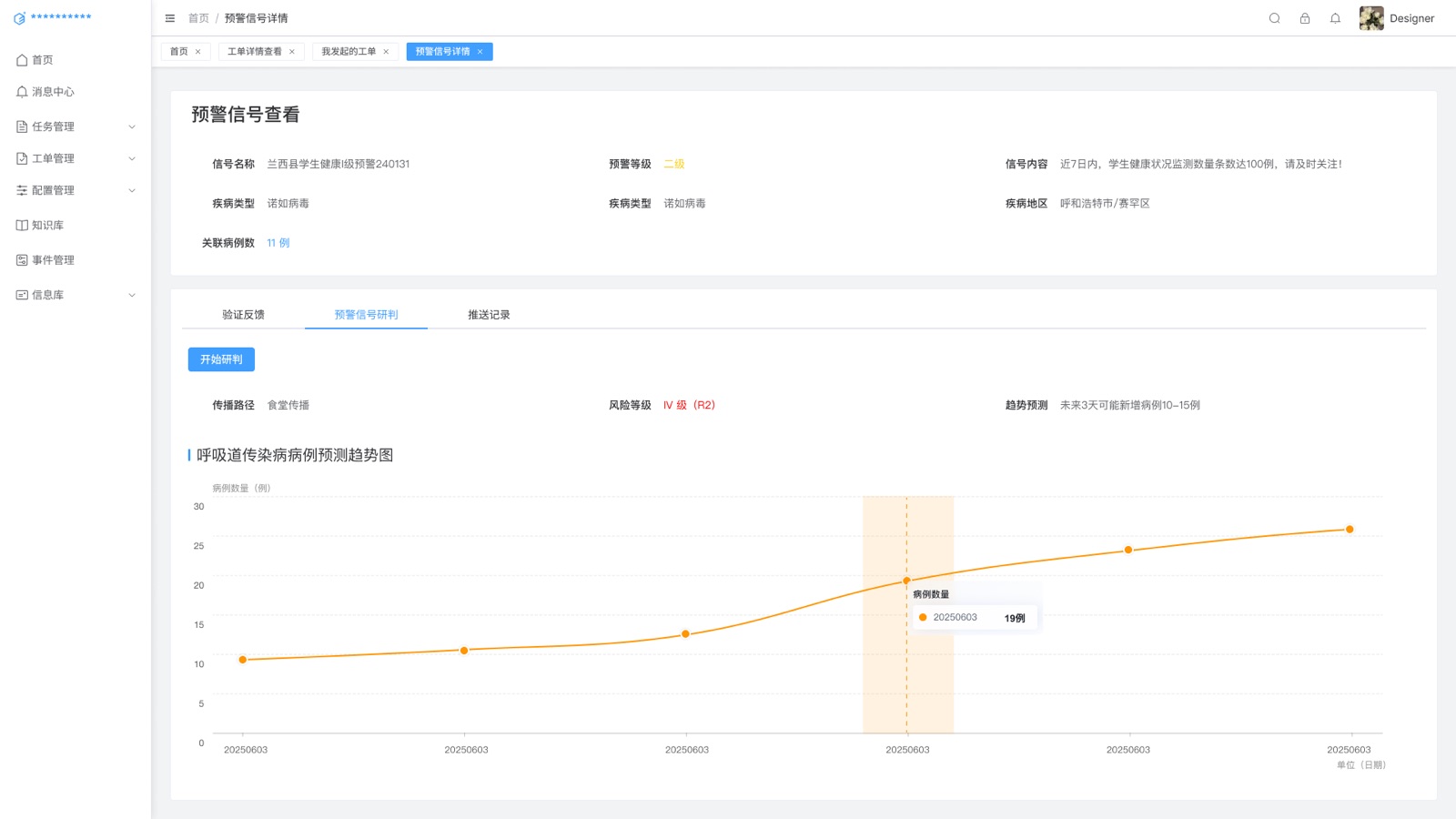
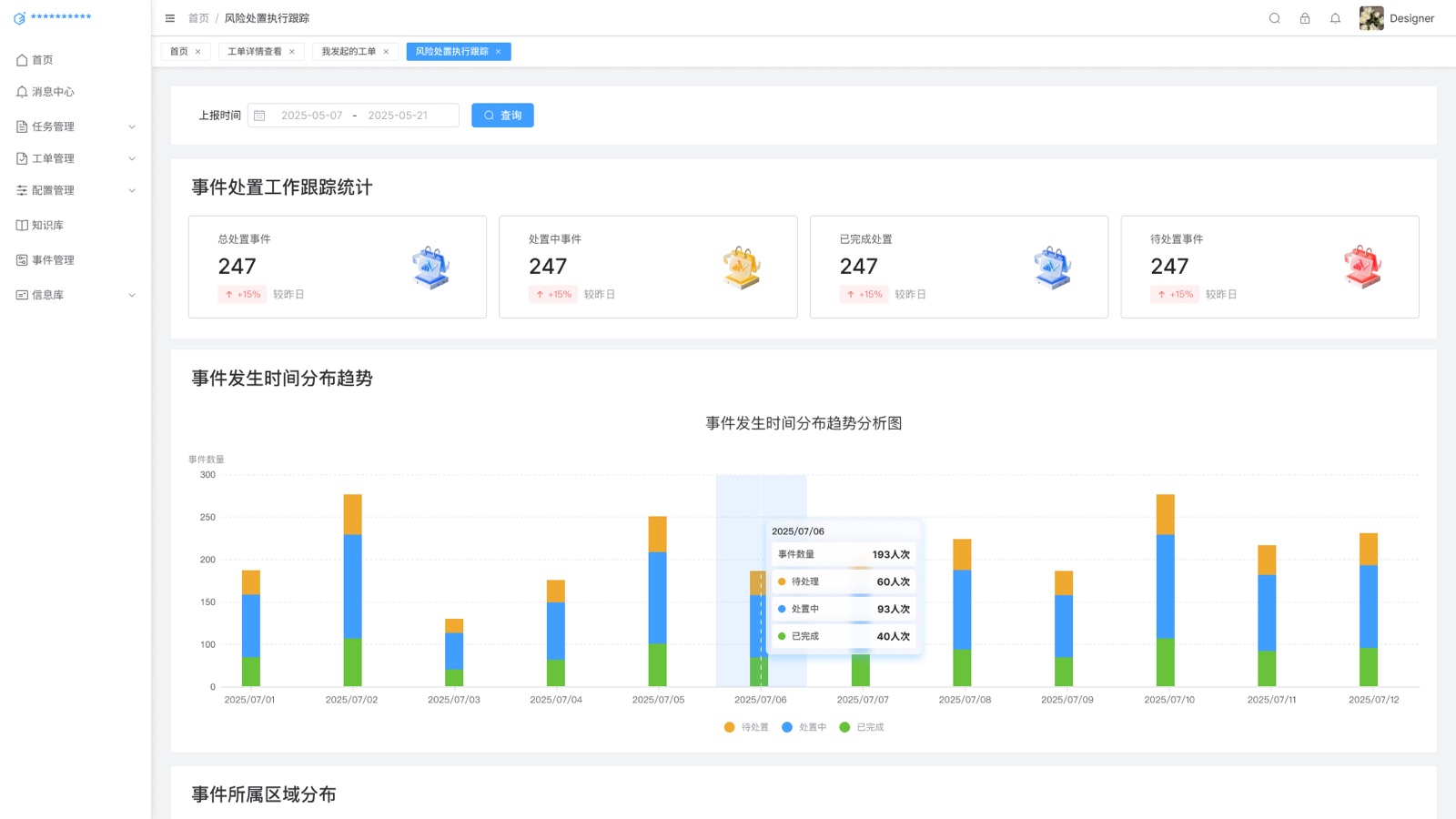
Situation Awareness and Early Warning System
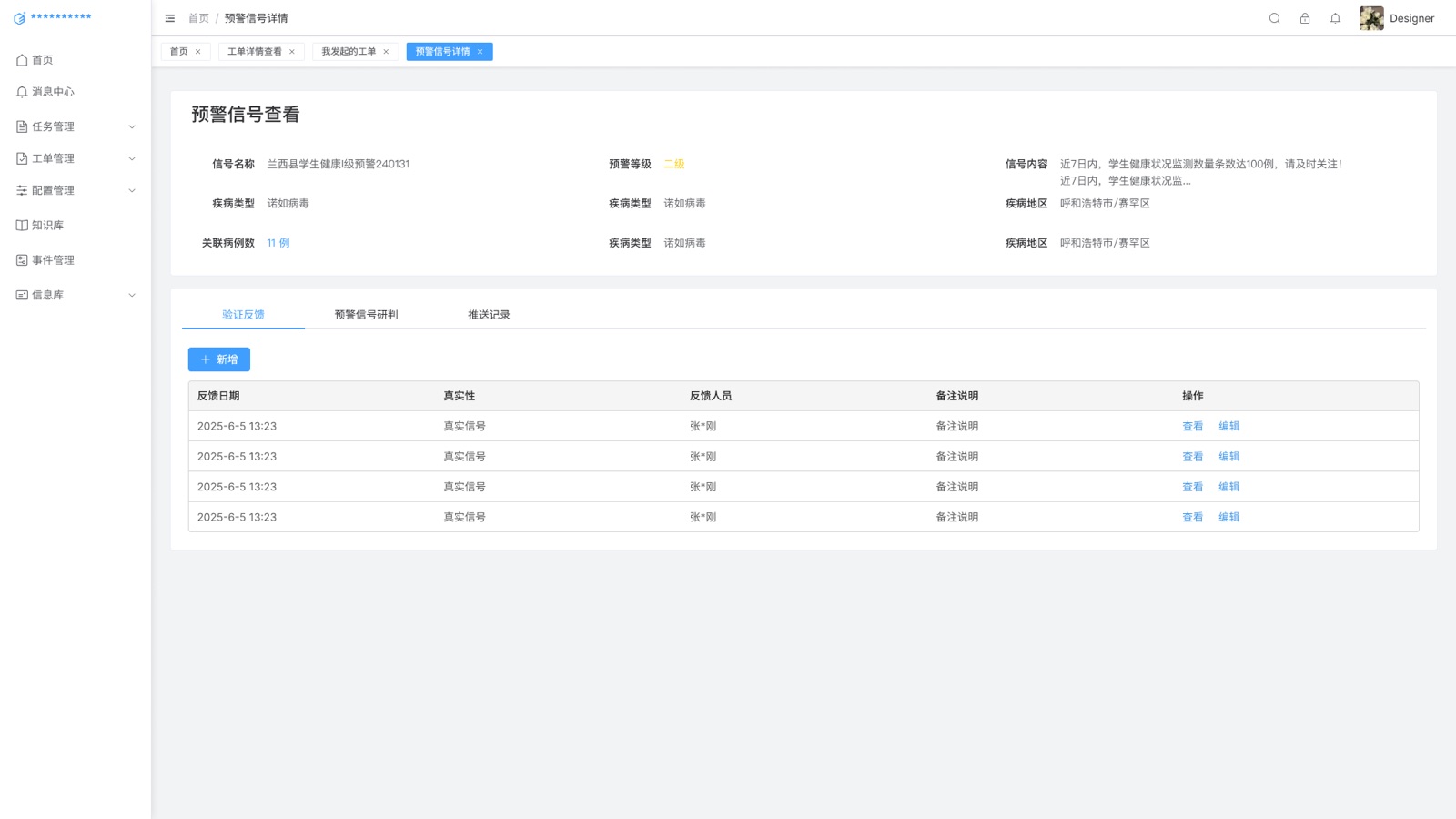
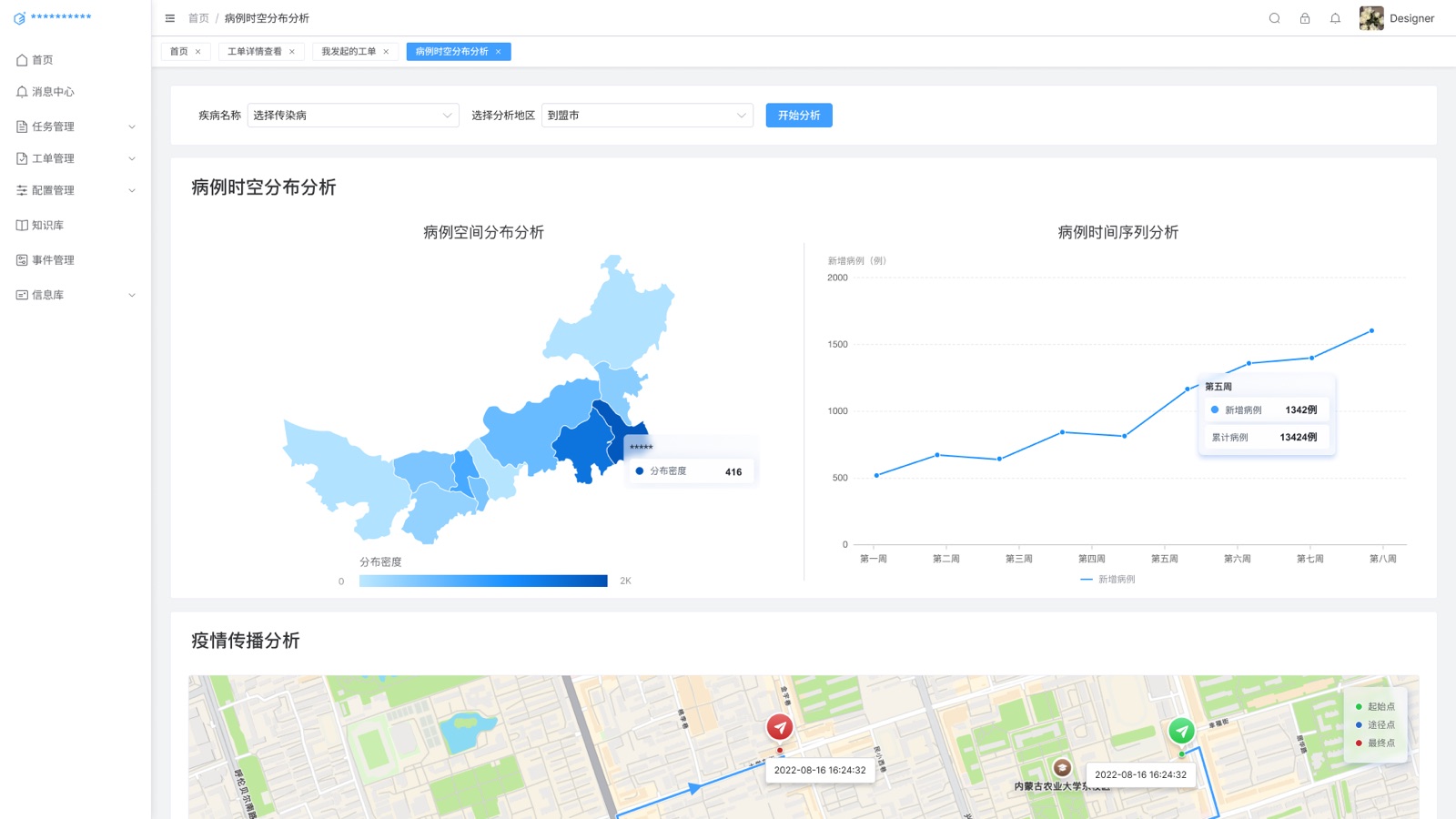
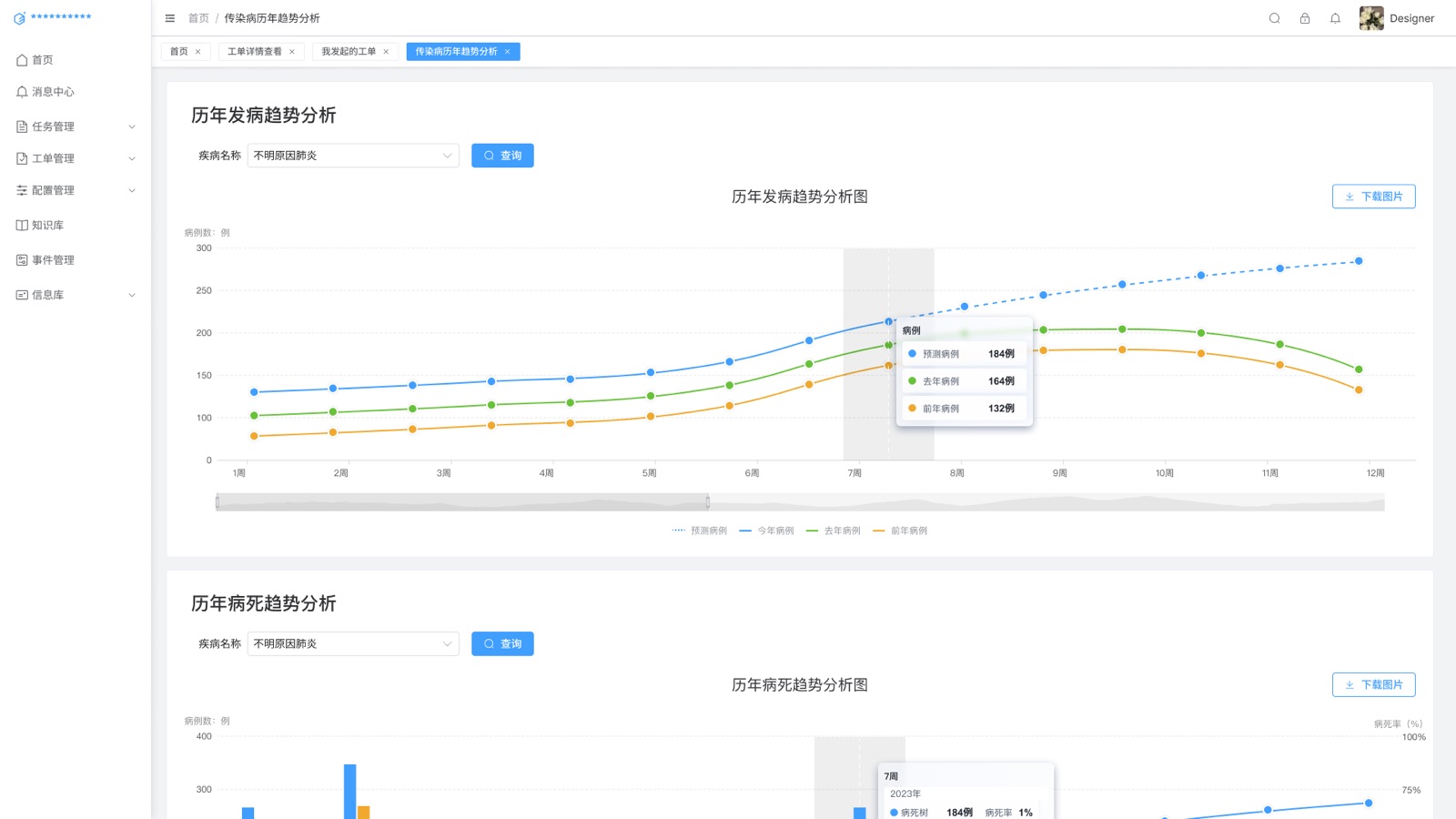
Monitors healthcare visit data and moves from an overall situation view into individual alerts.
The overview reveals anomalies; detail views support resolution. Maps and trends serve operational judgment.
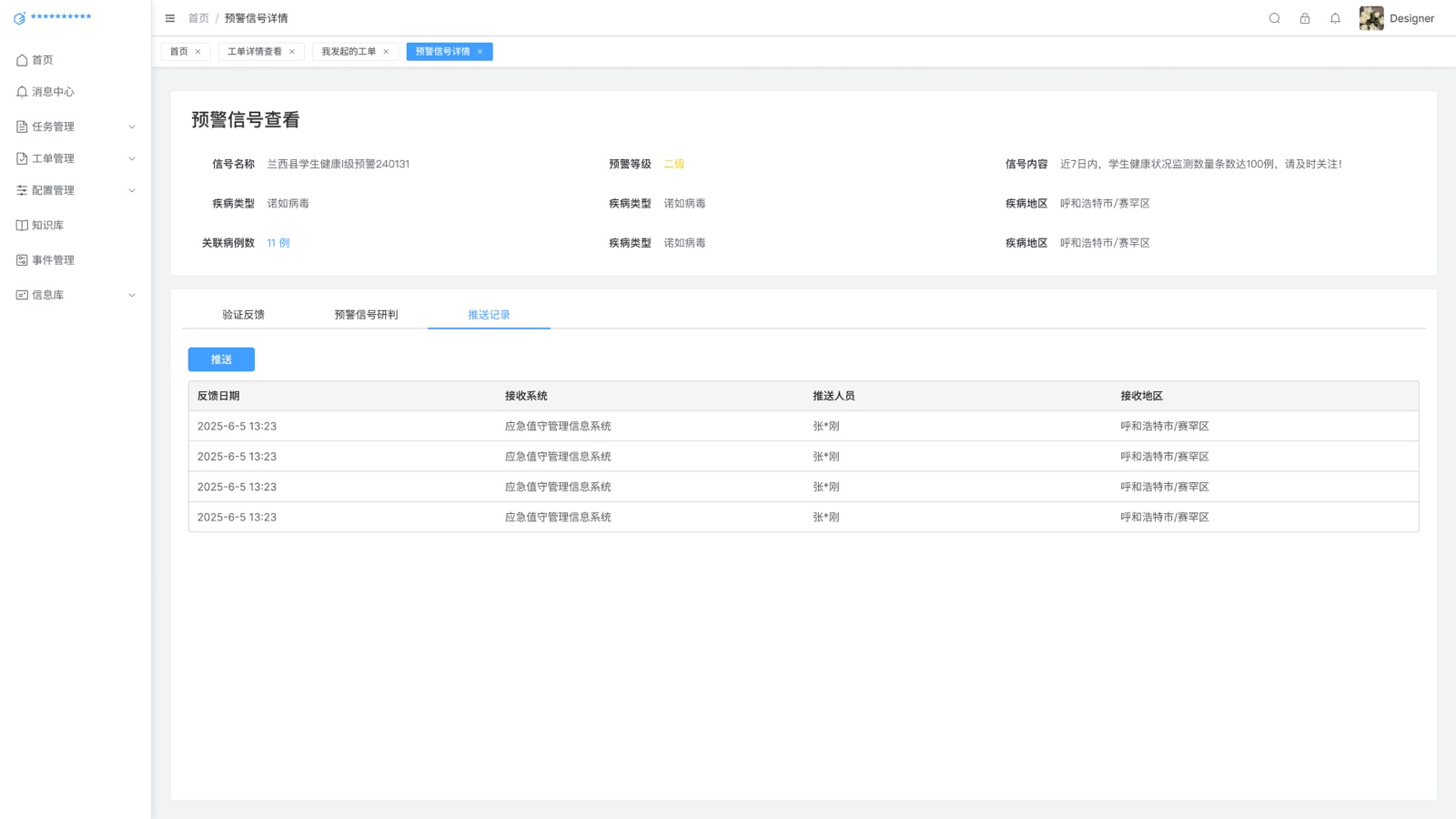
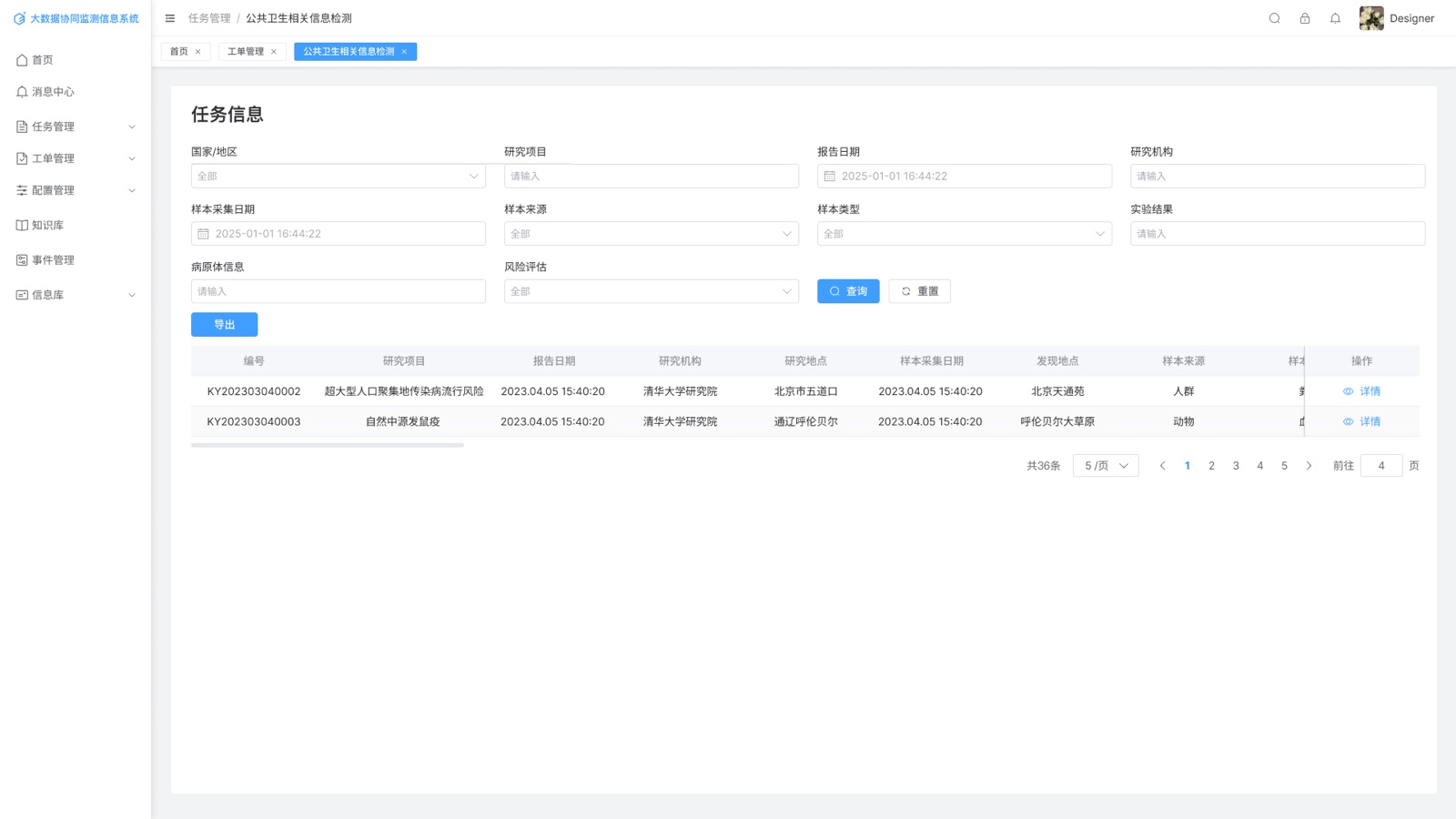
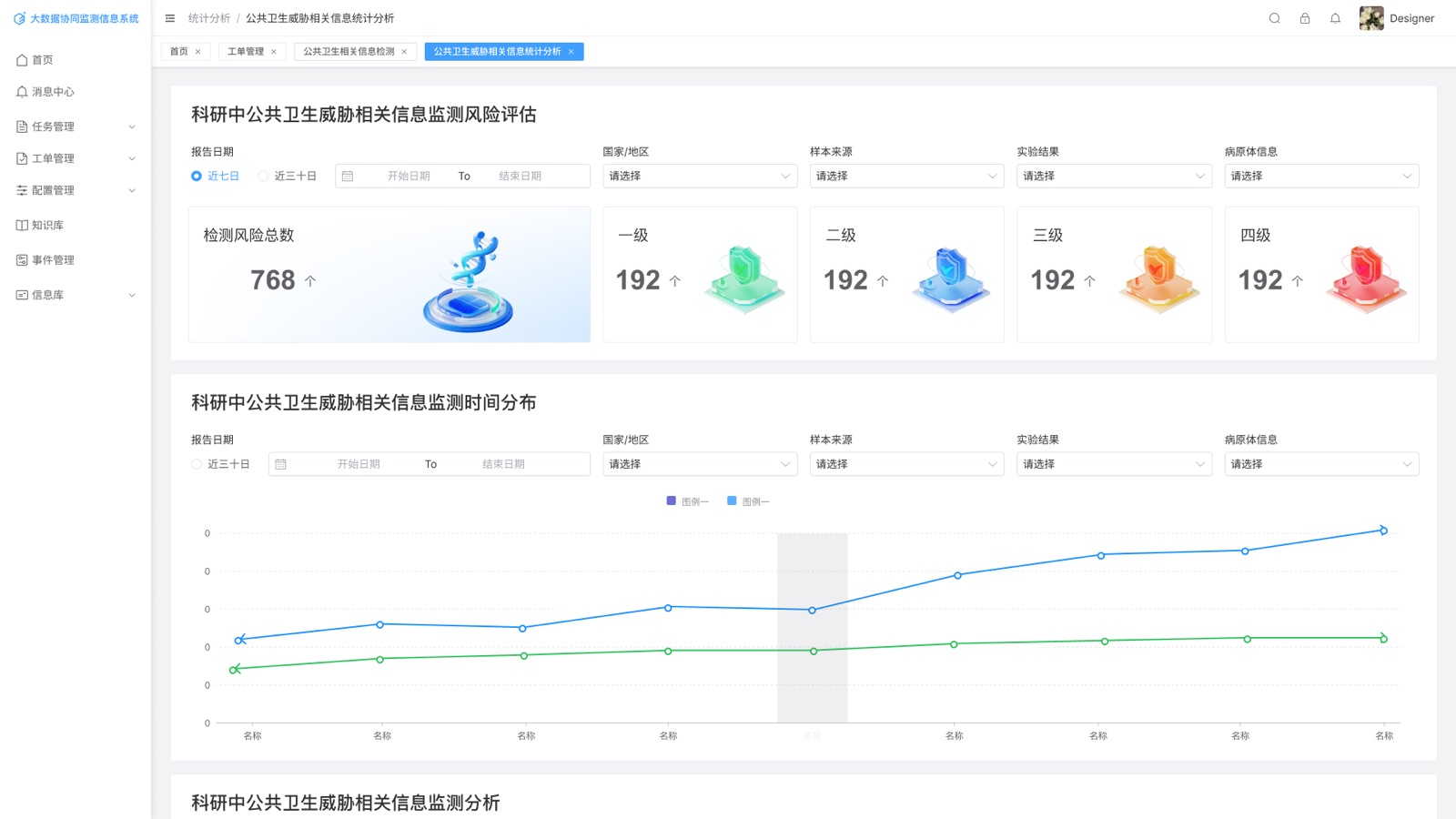
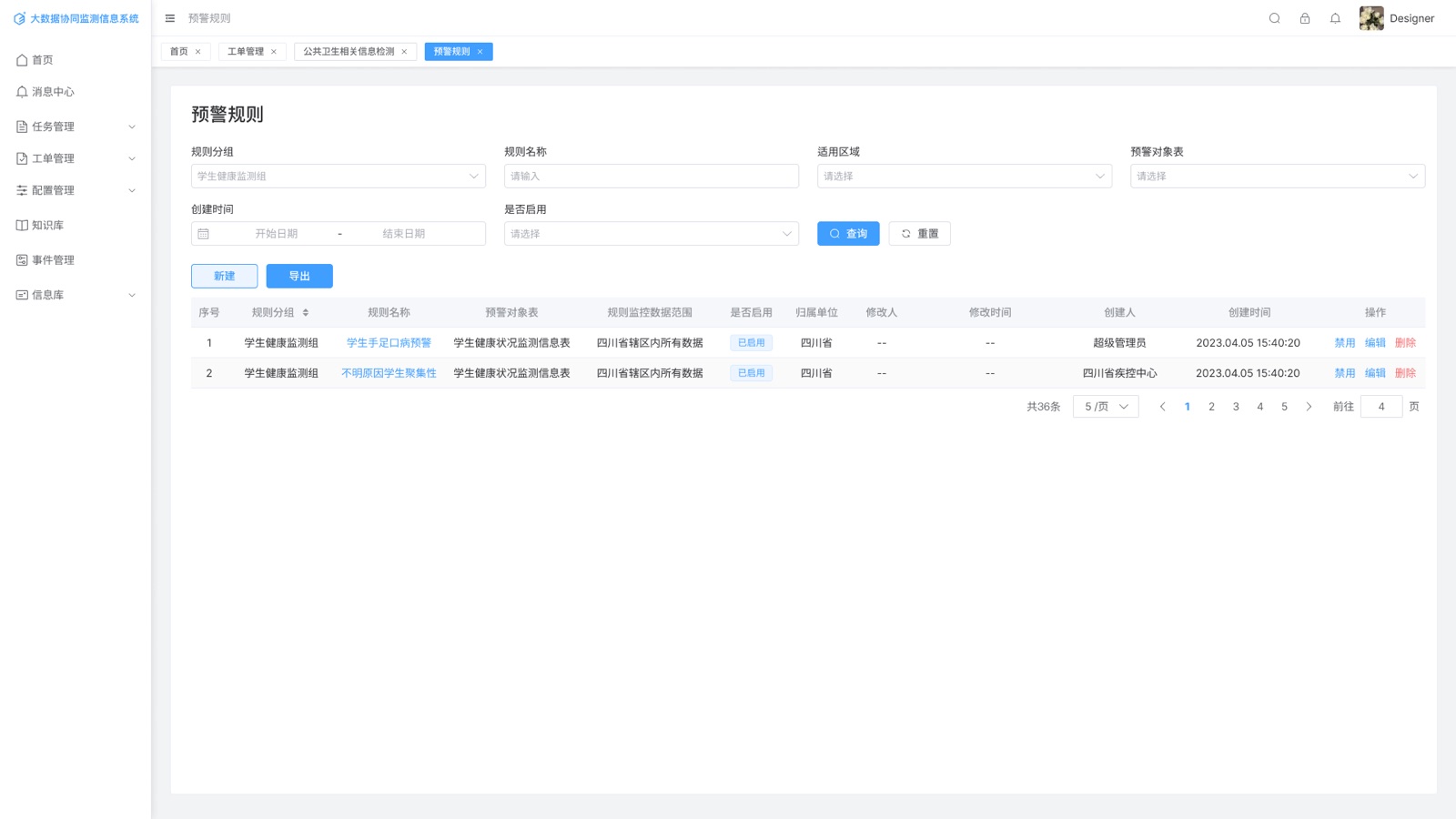
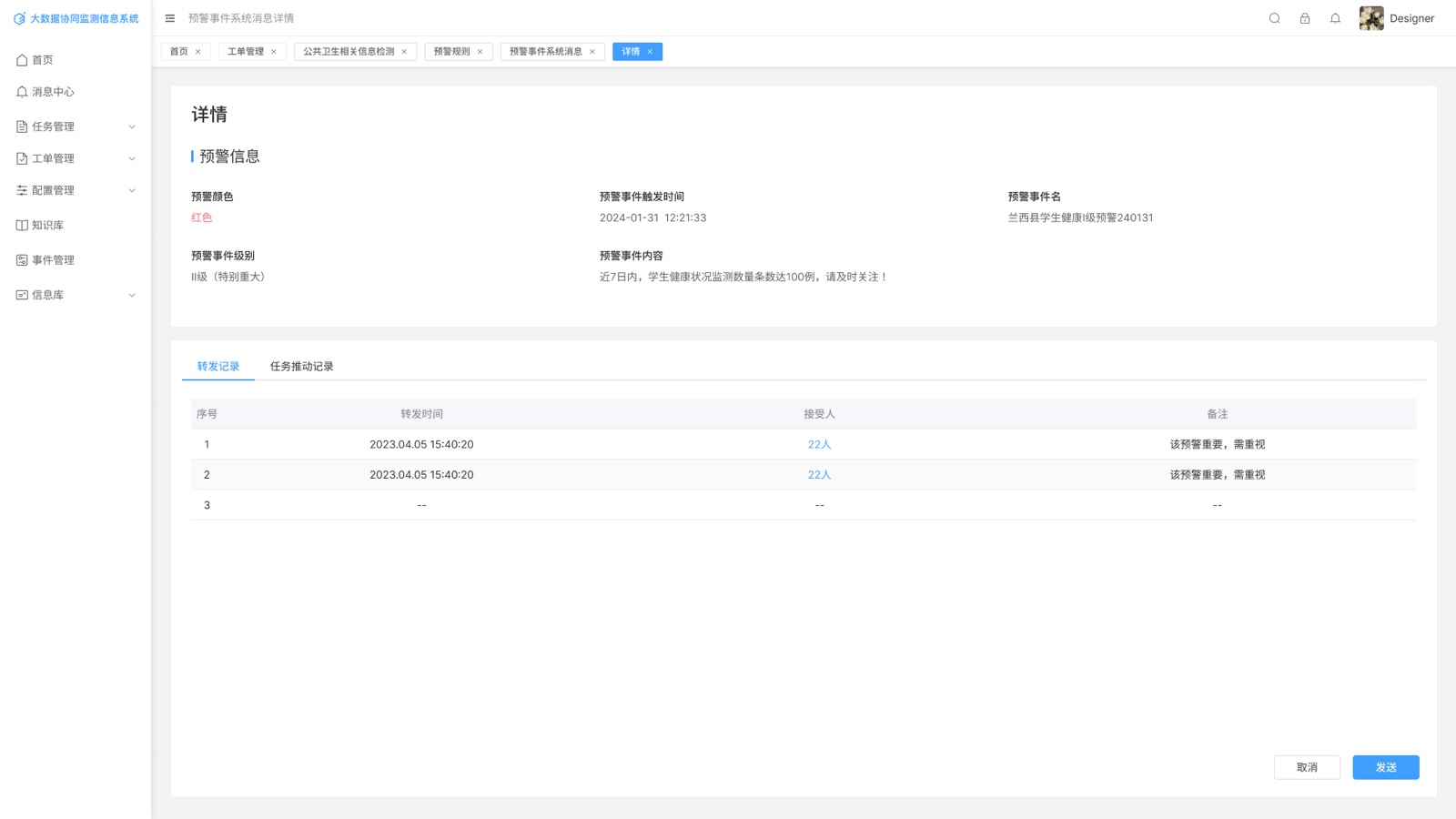
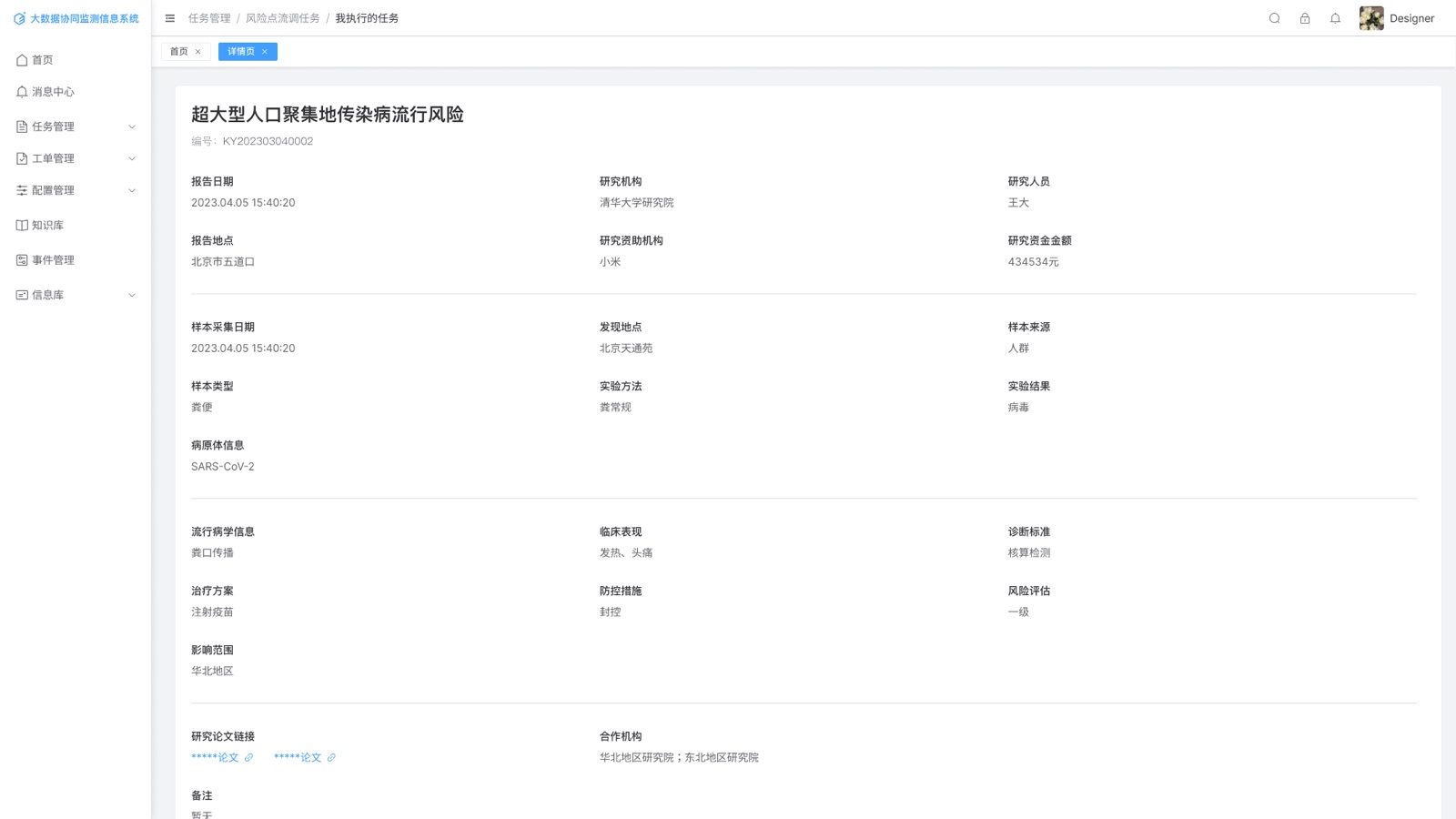
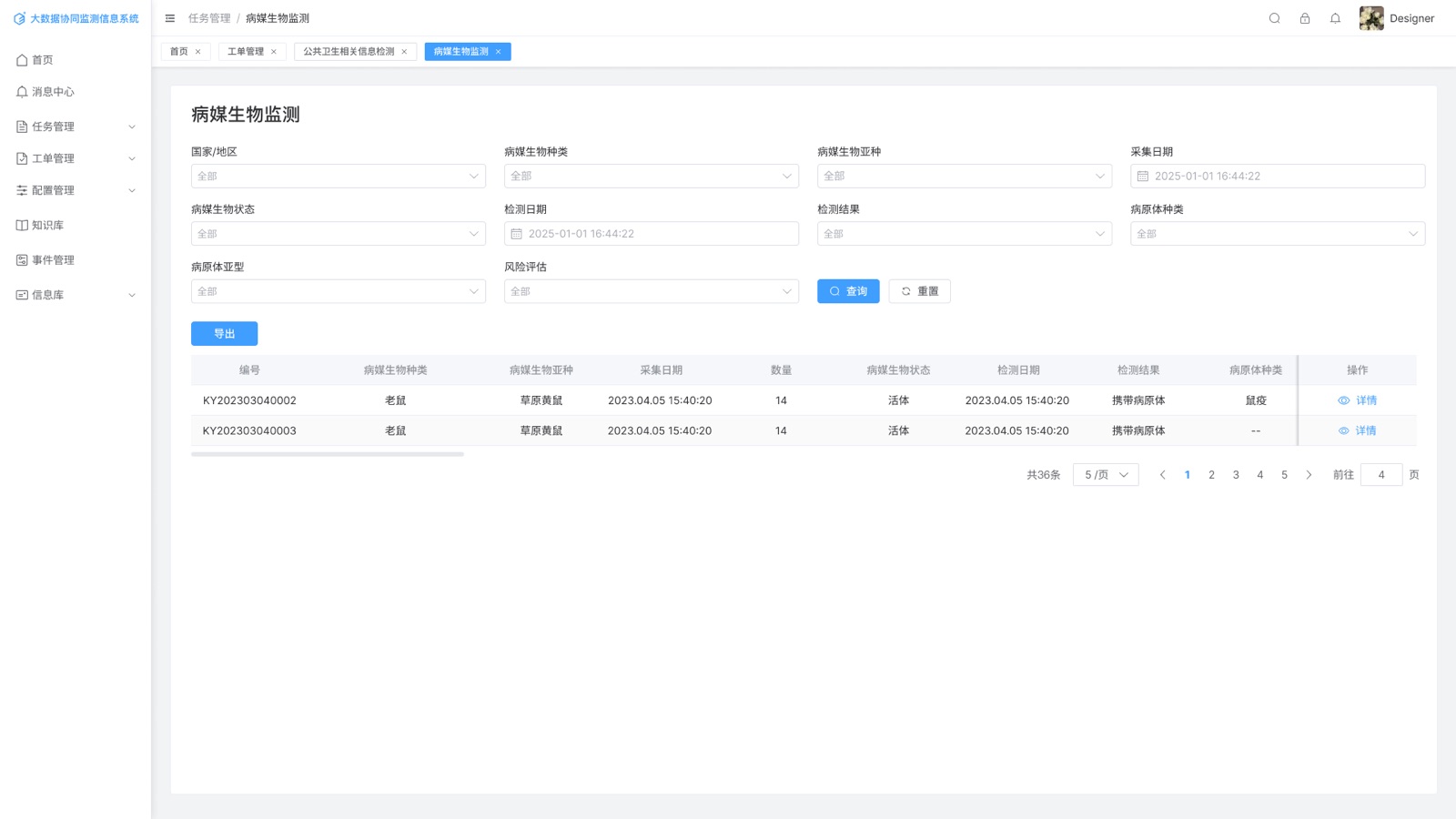
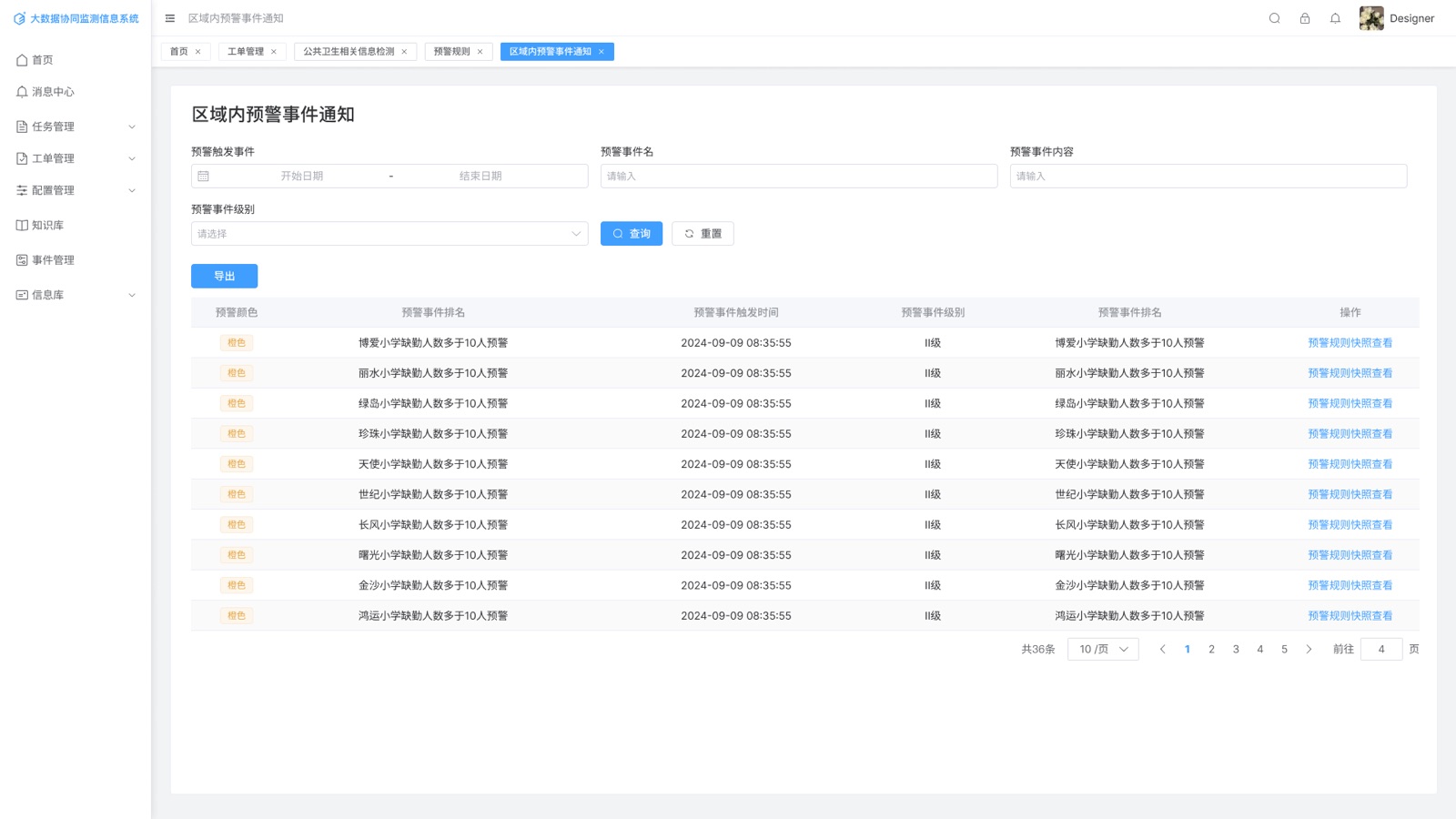
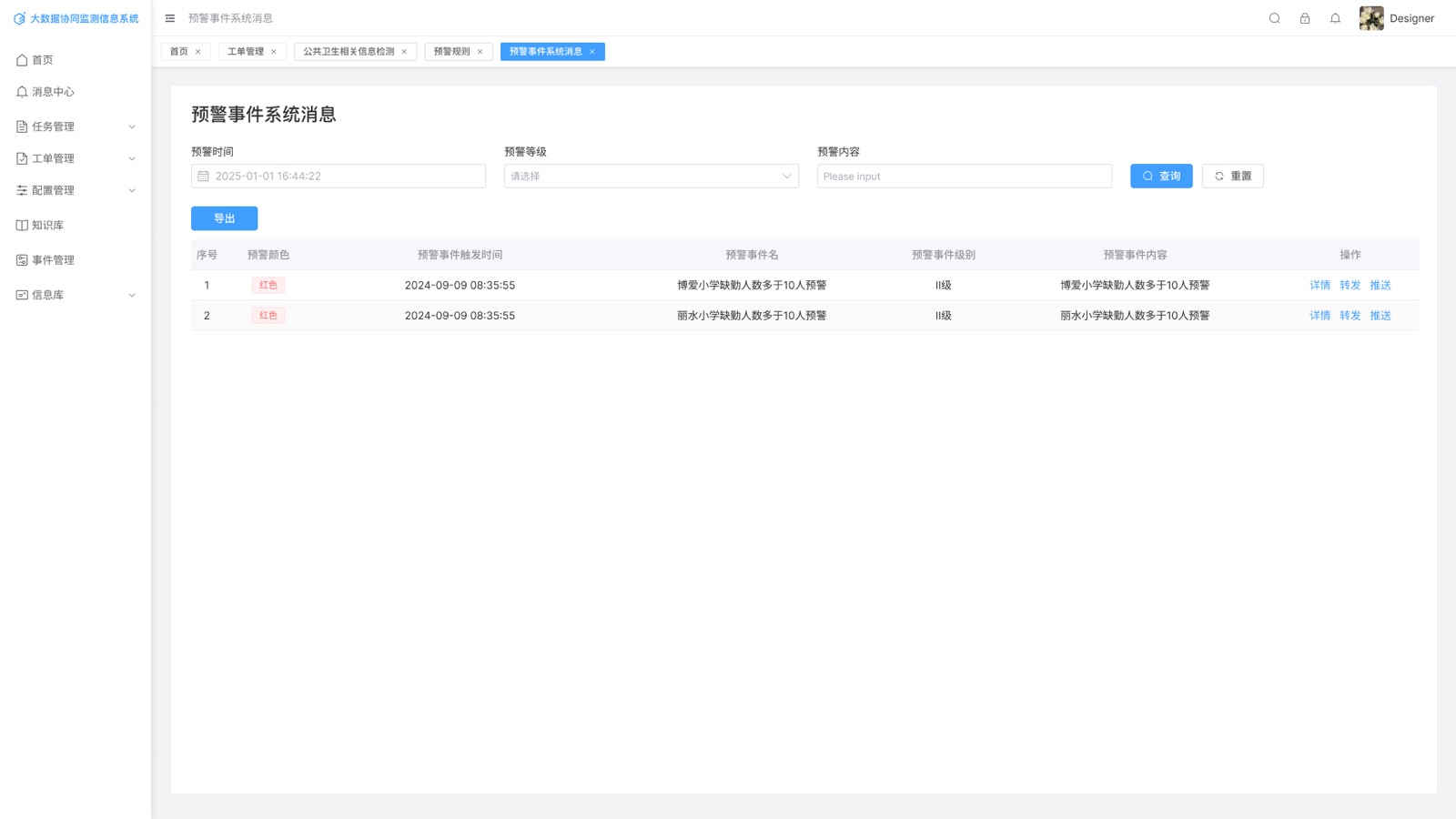
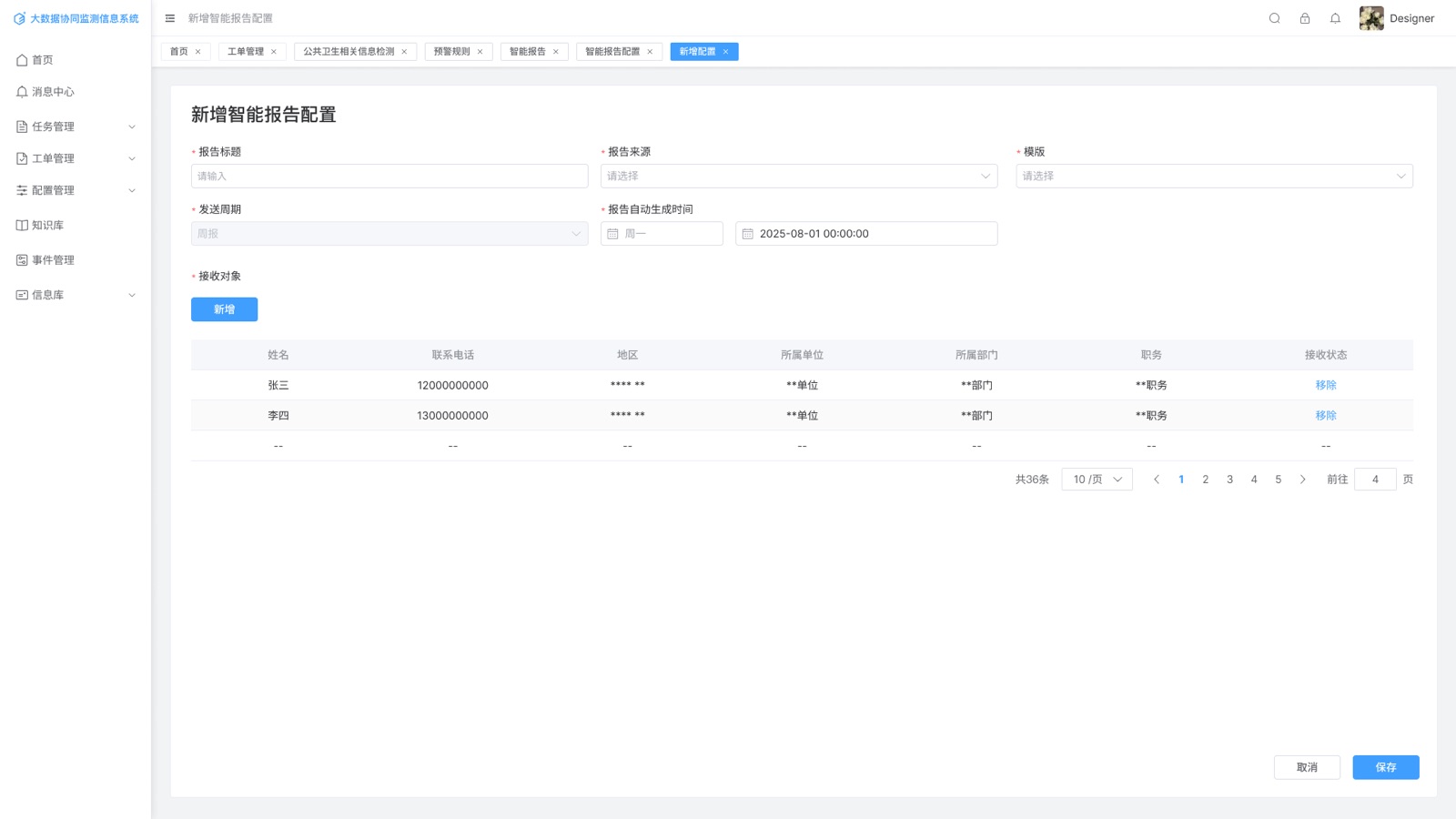
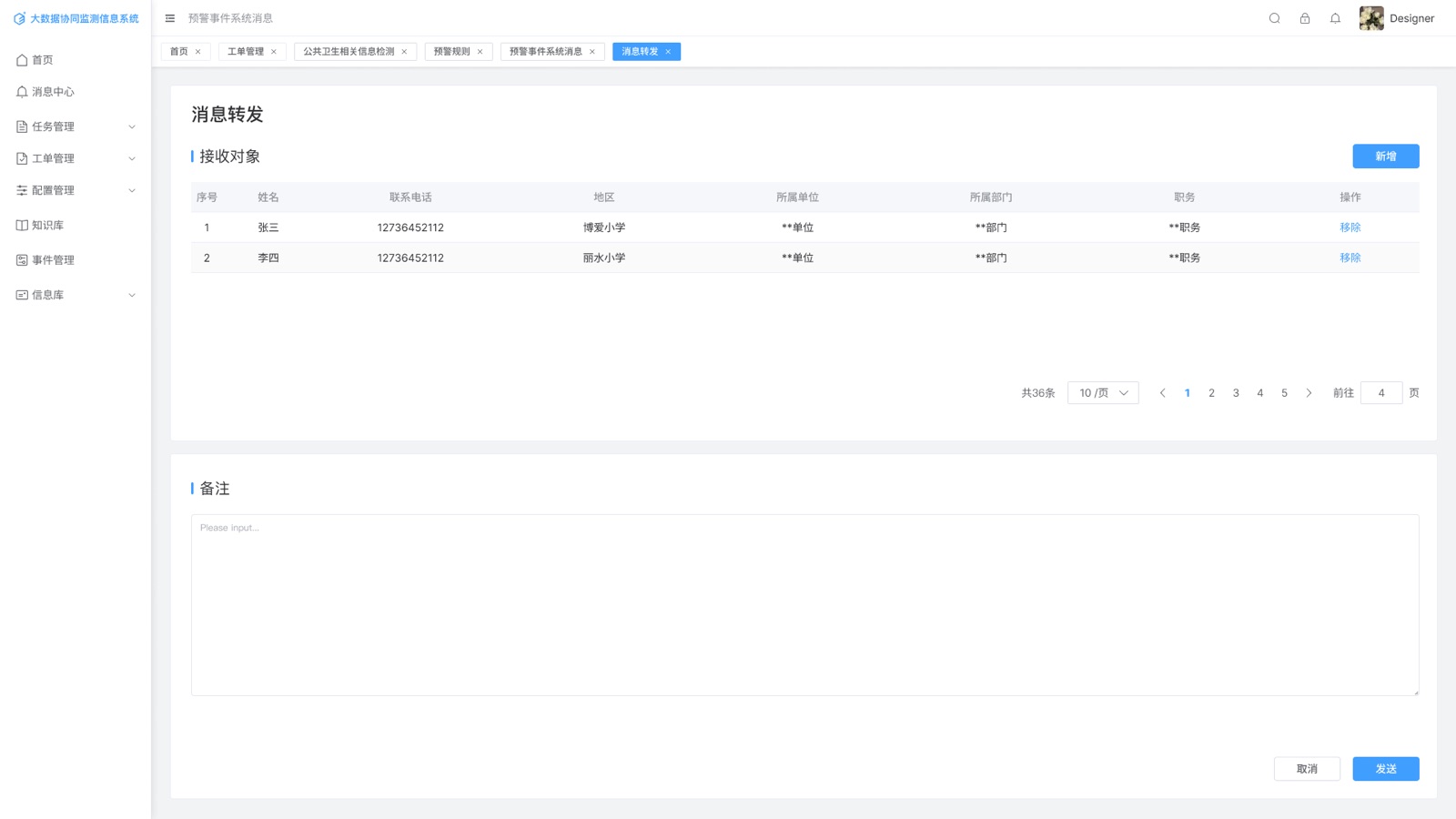
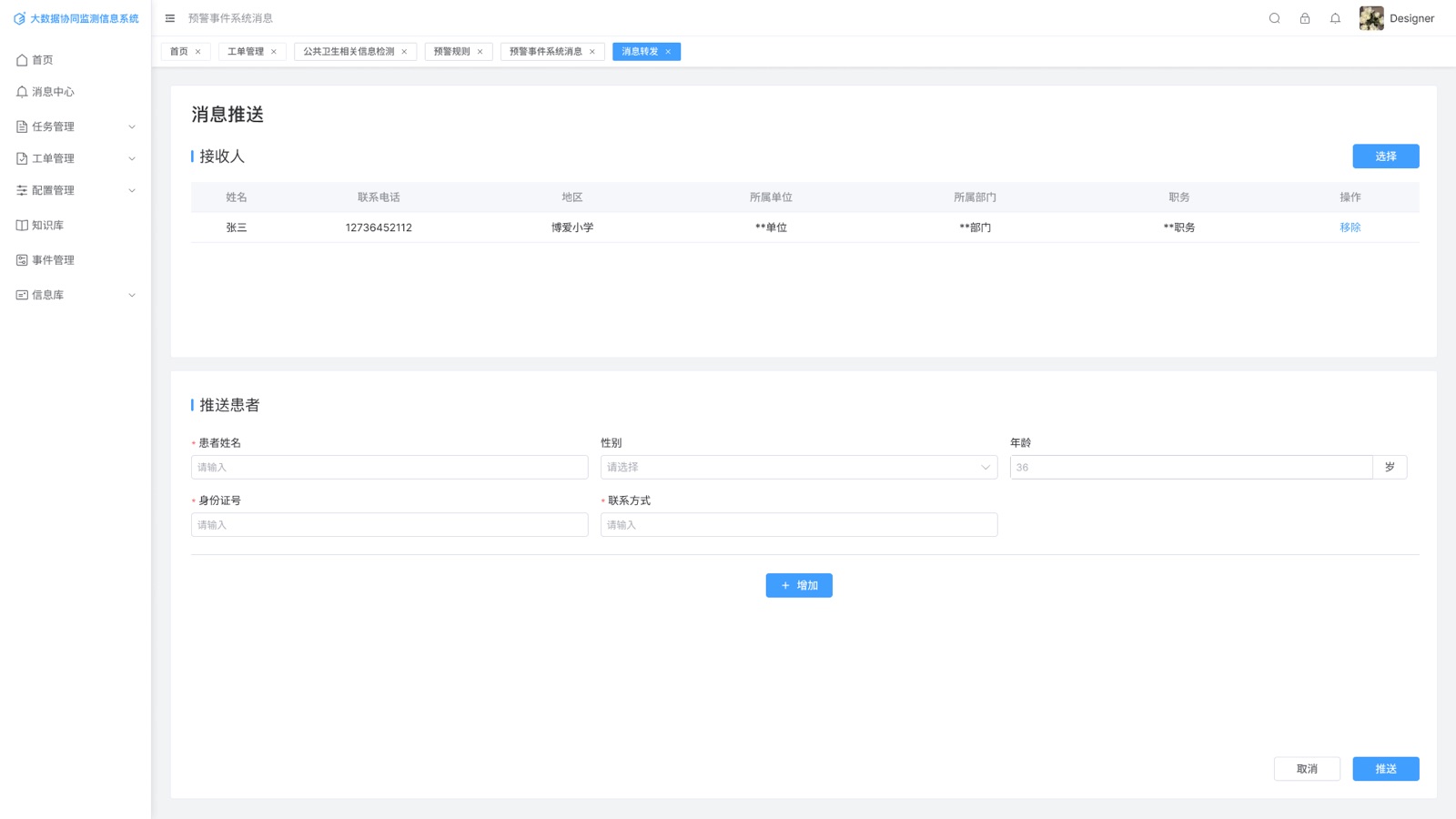
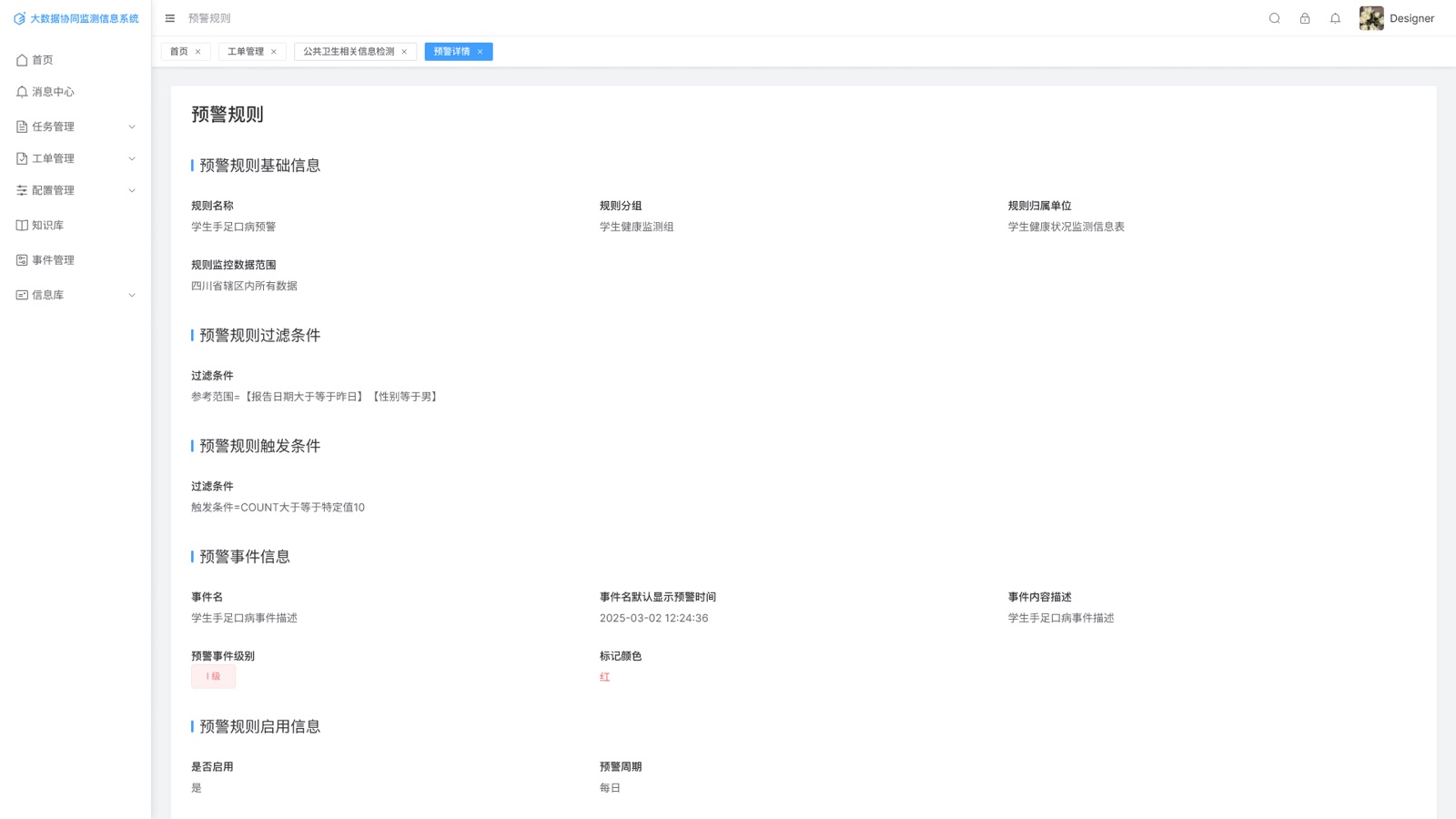
Collaborative Big Data Monitoring System
Public-health information, threat analysis, and warning messages share one collaborative monitoring logic.
Lists consolidate information, statistics explain change, and message details route events to responsible roles.
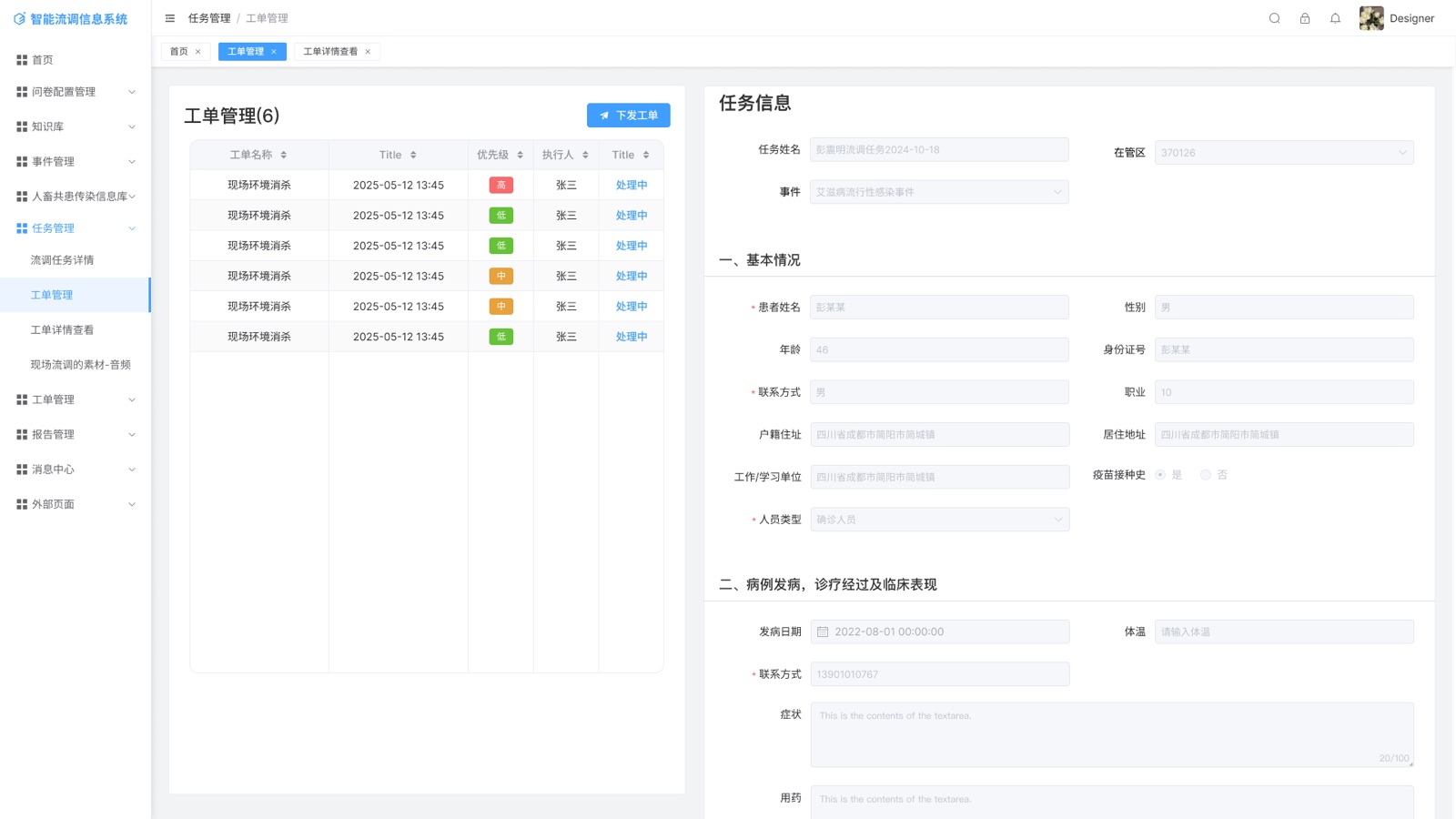
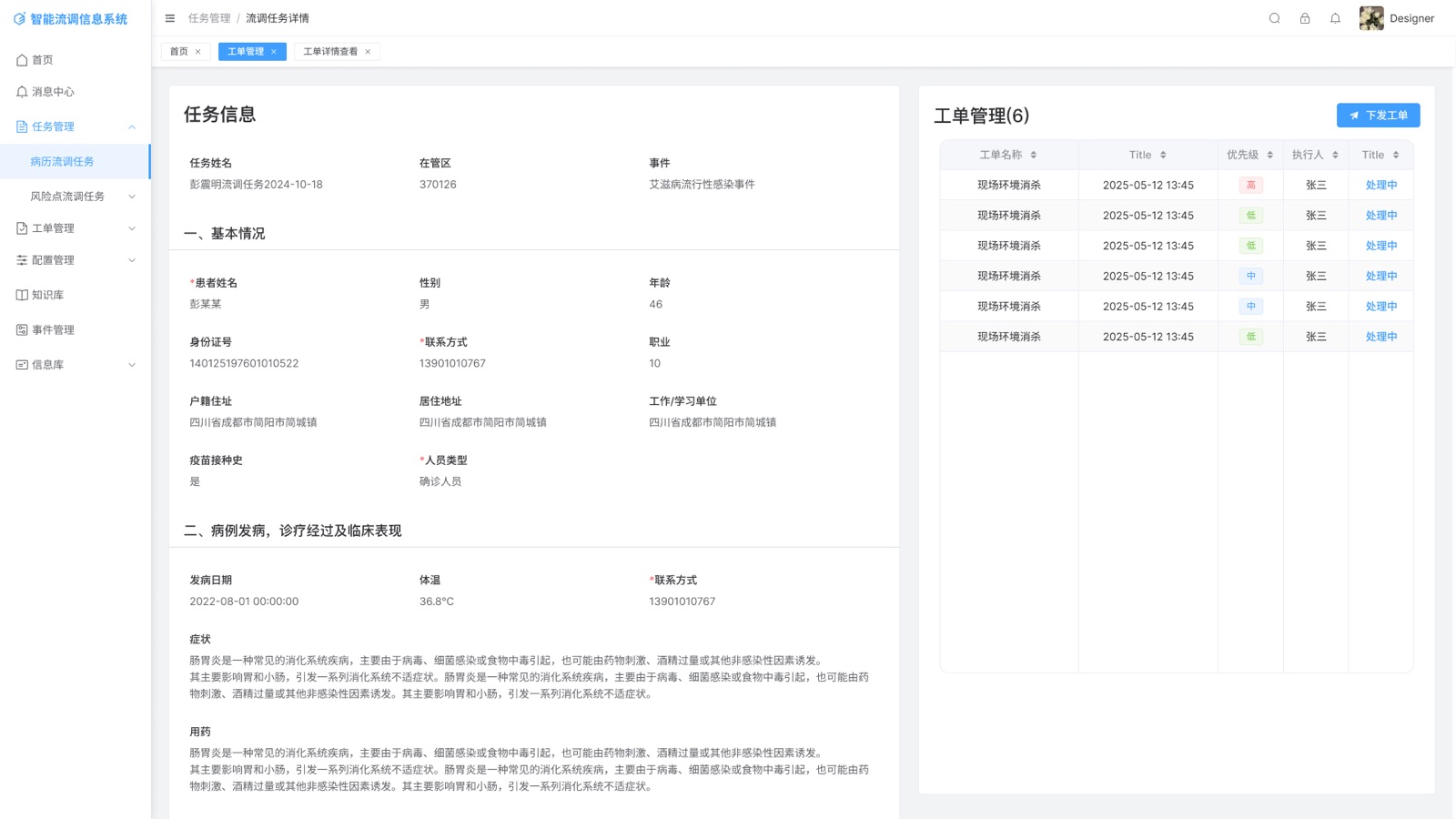
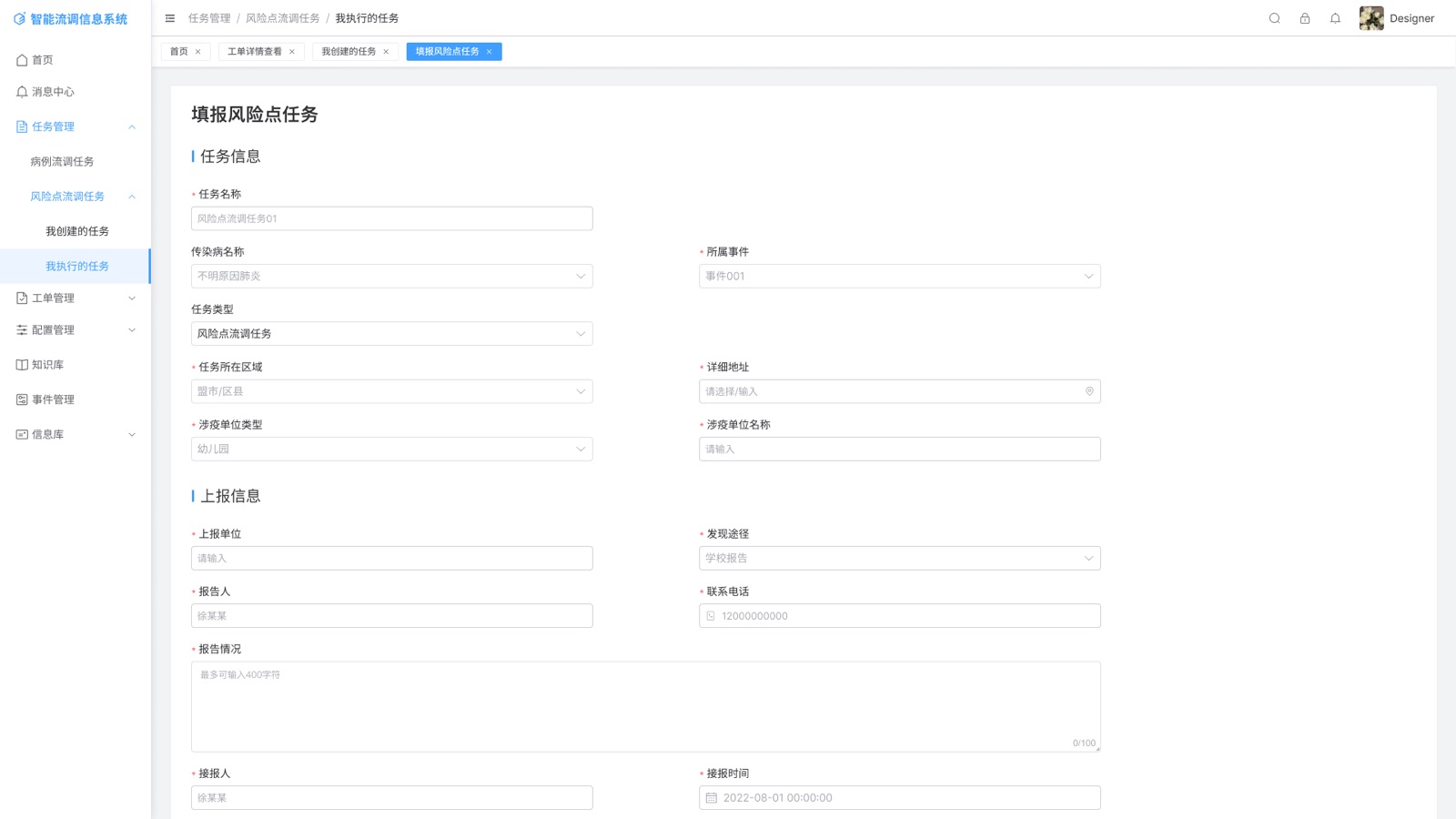
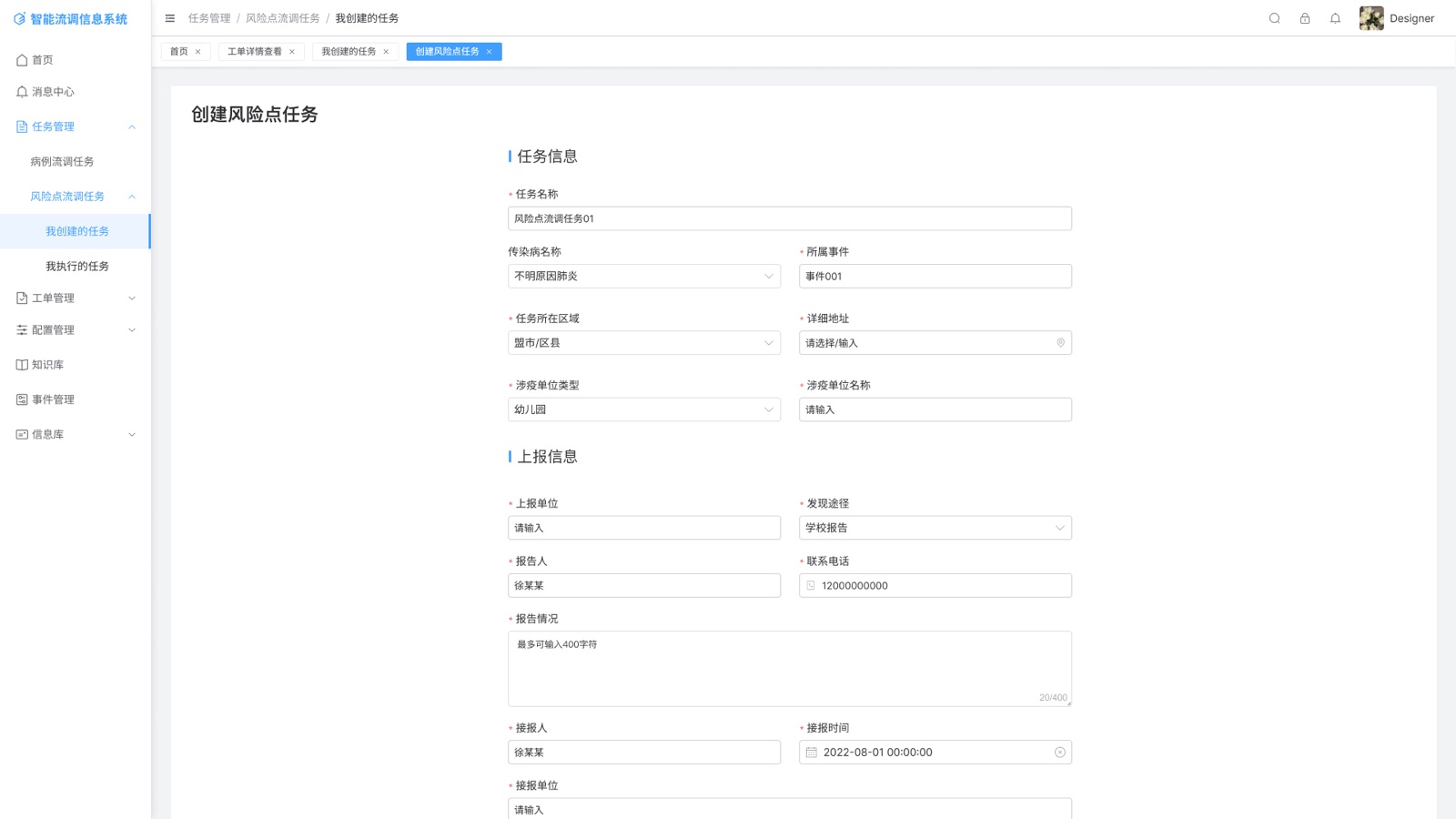
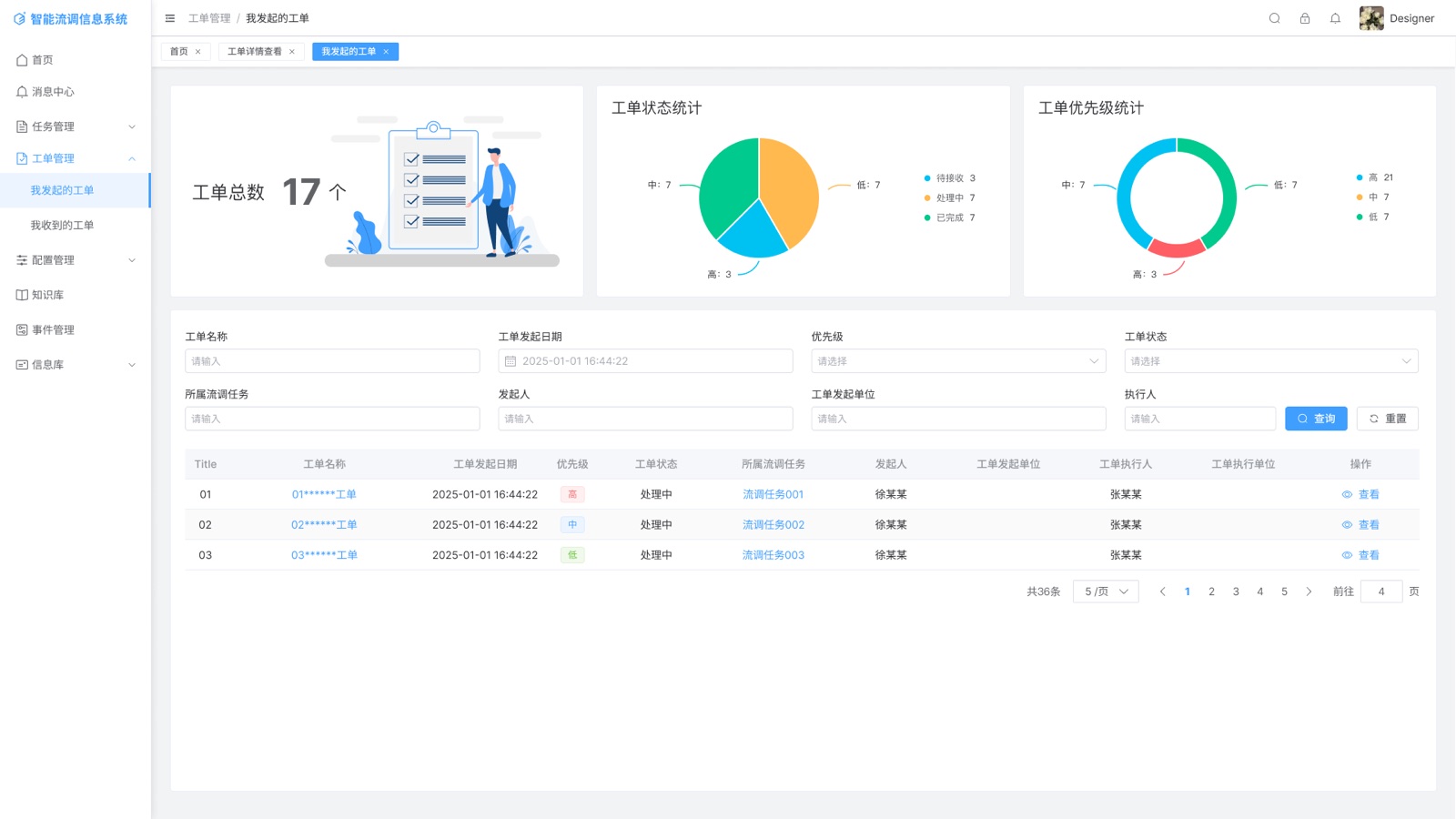
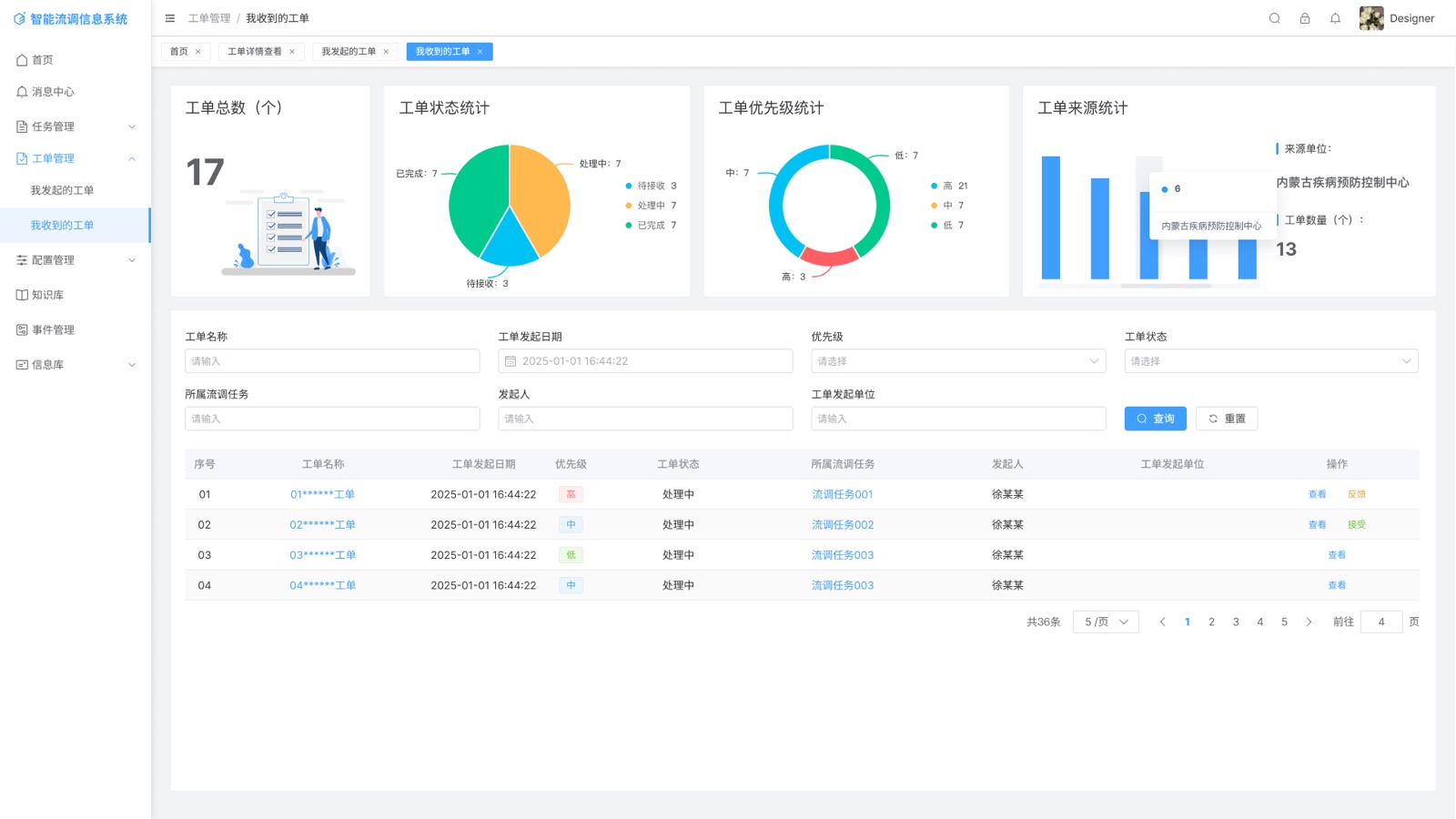
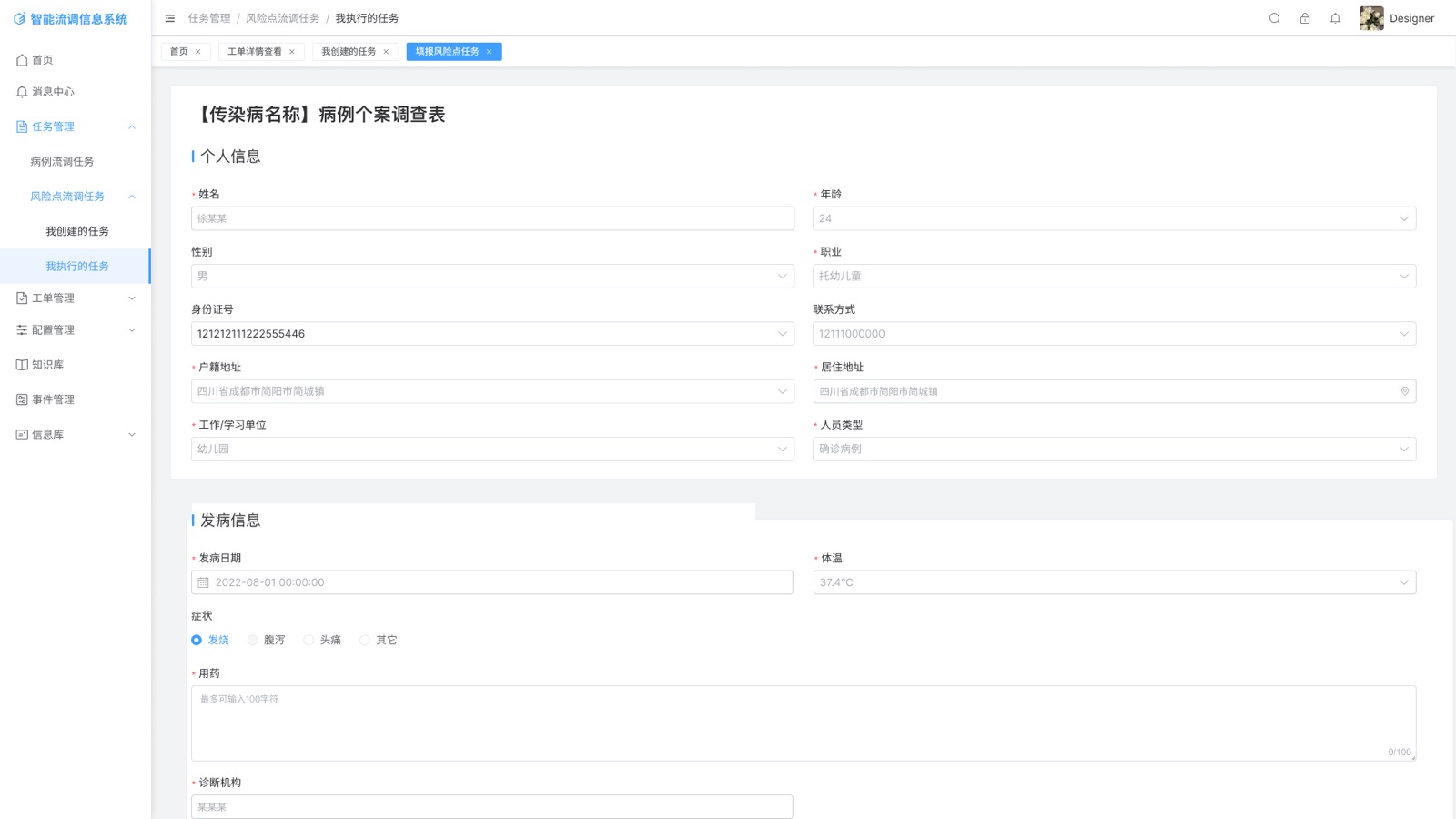
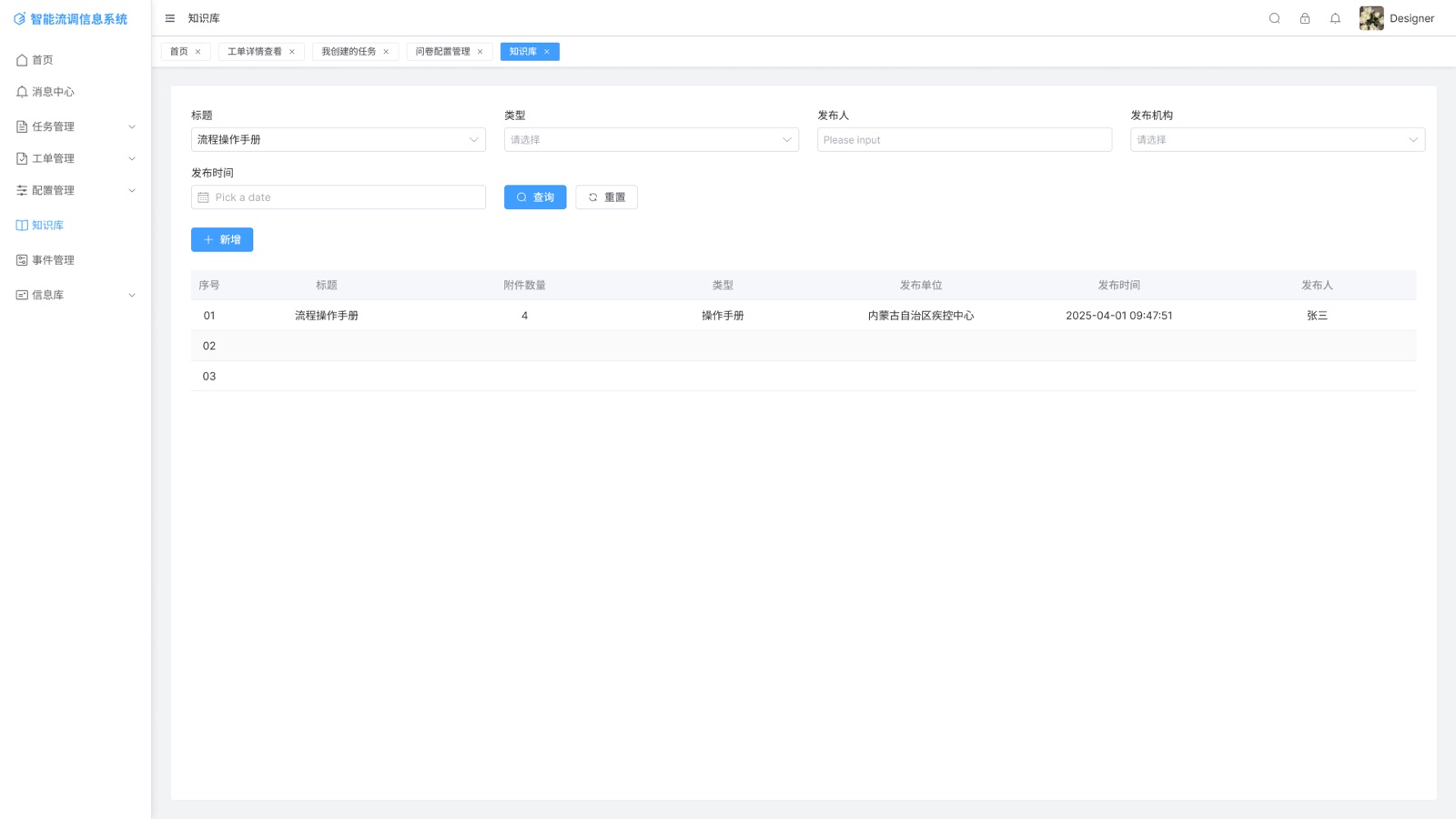
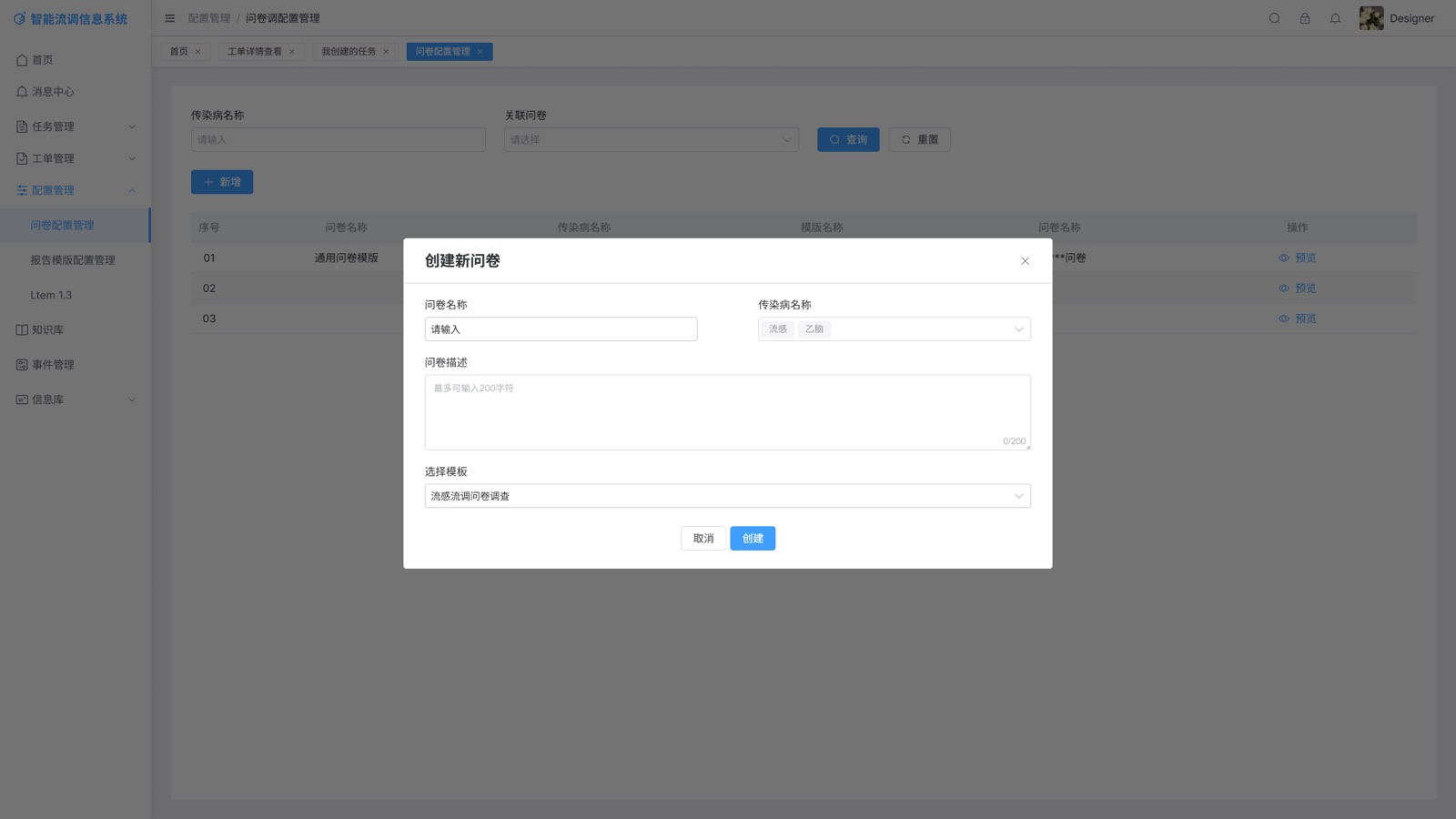
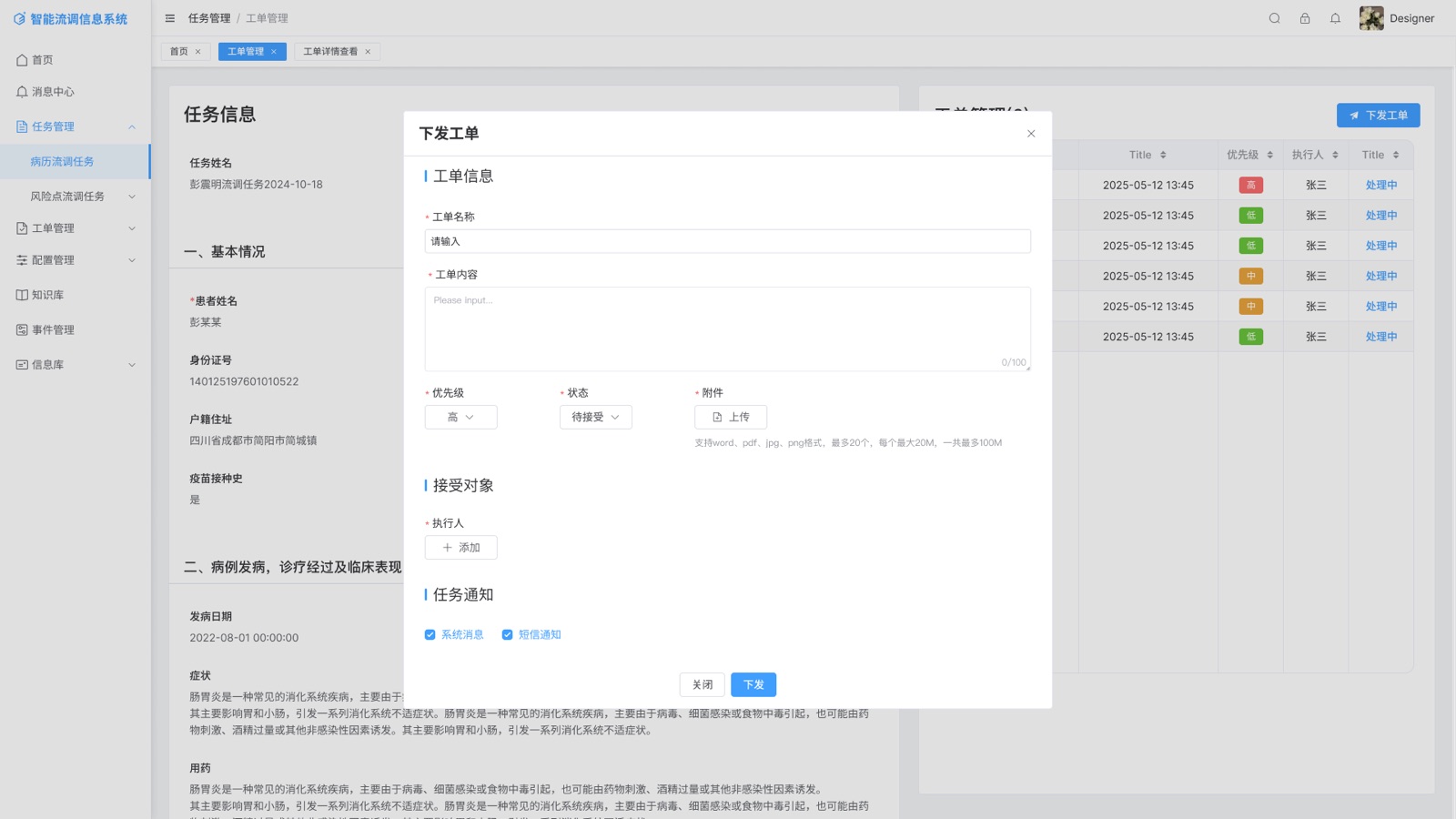
Intelligent Epidemiological Investigation System
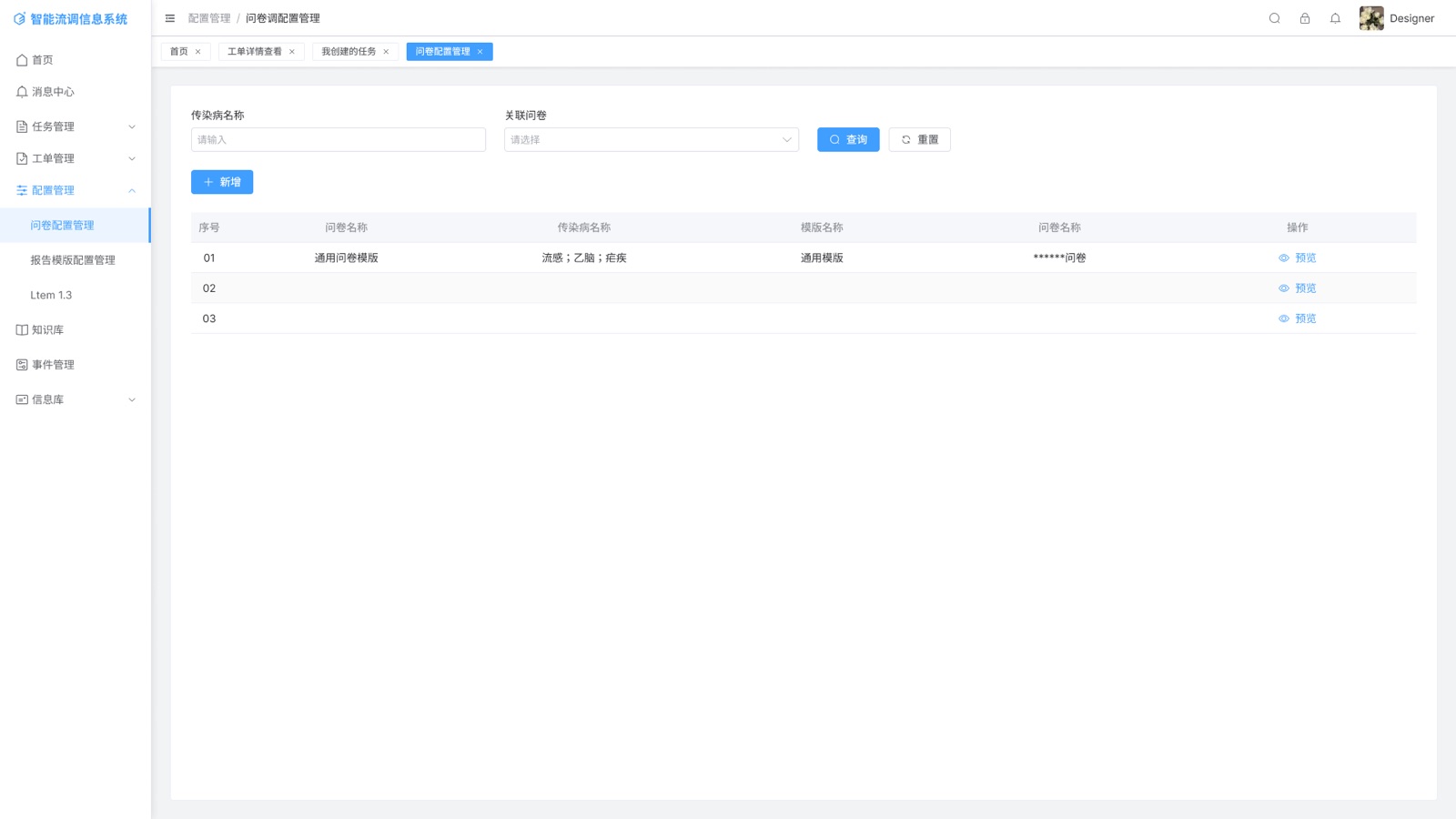
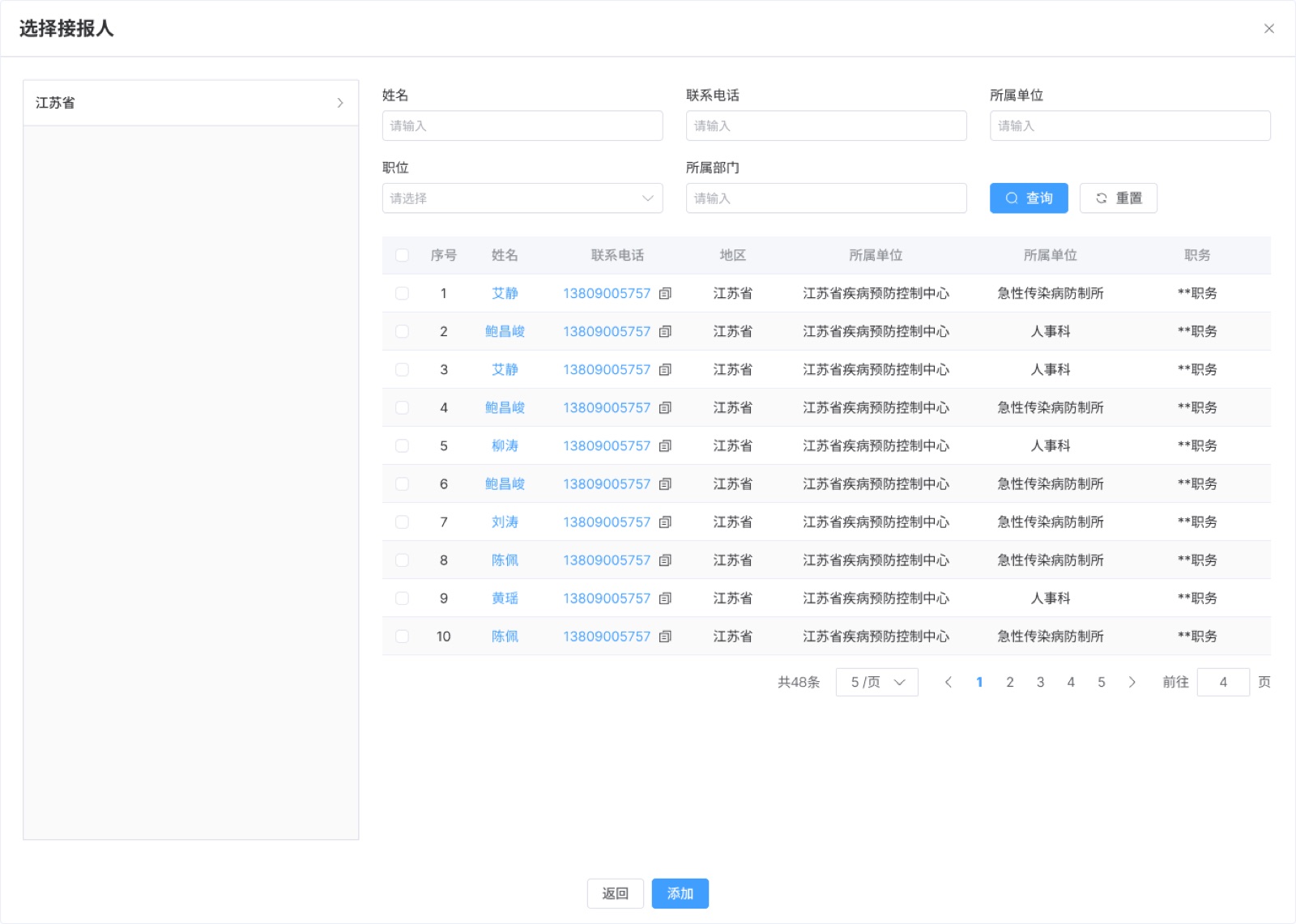
Uses investigation tasks and work orders to cover creation, assignment, reporting, and recipient selection.
Questionnaires, work orders, and tasks are organized around how work gets completed rather than as isolated screens.
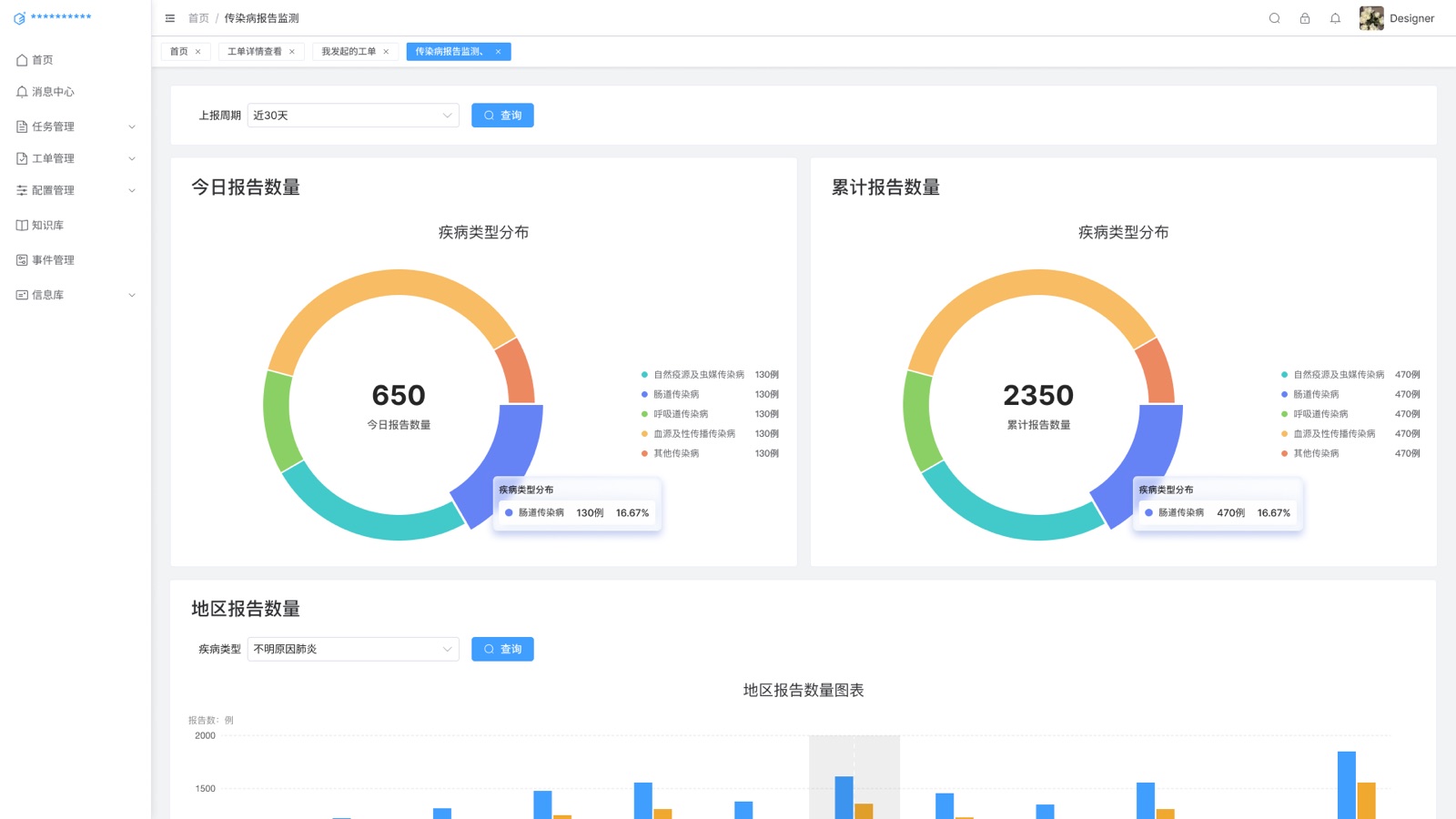
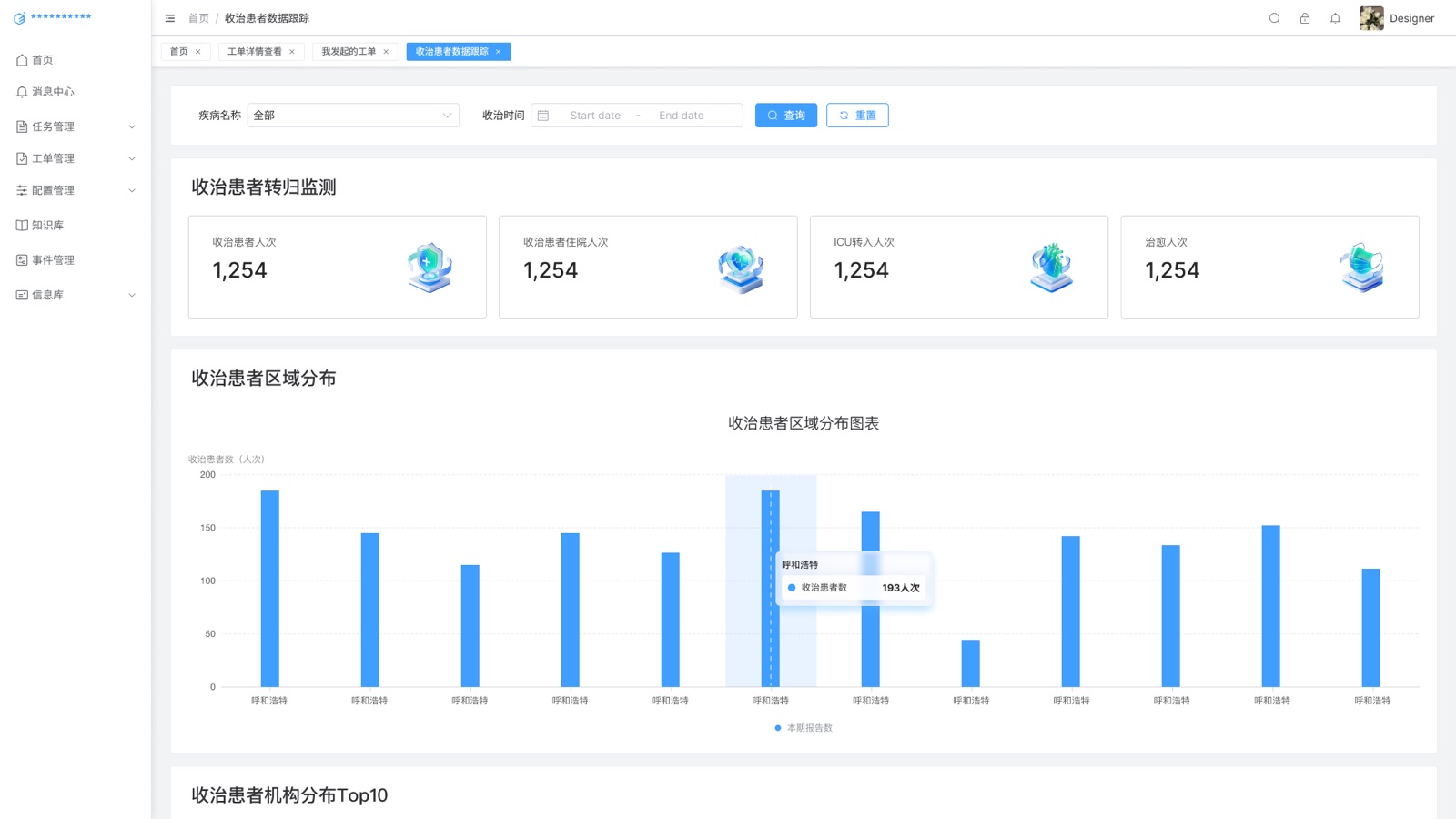
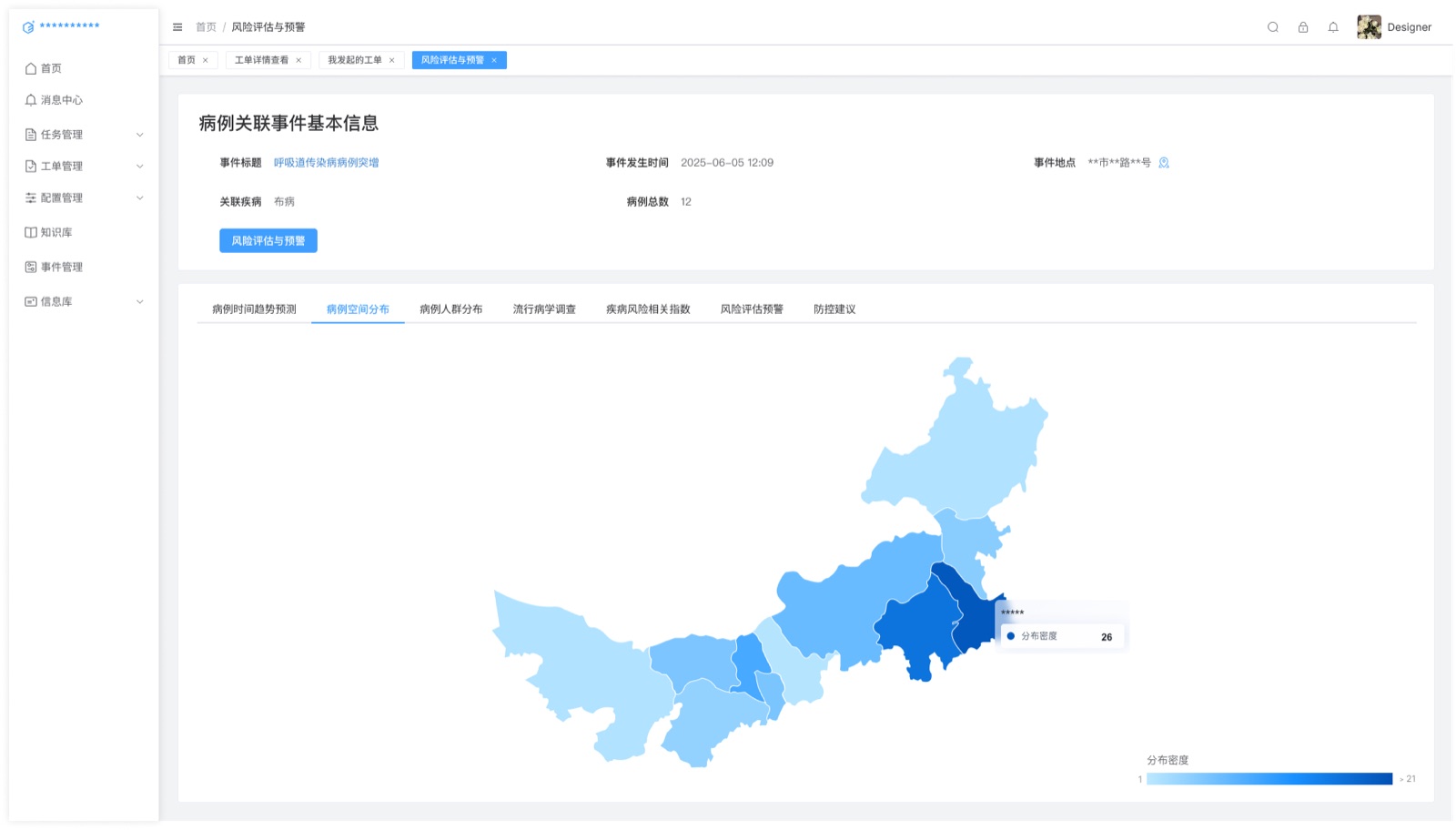
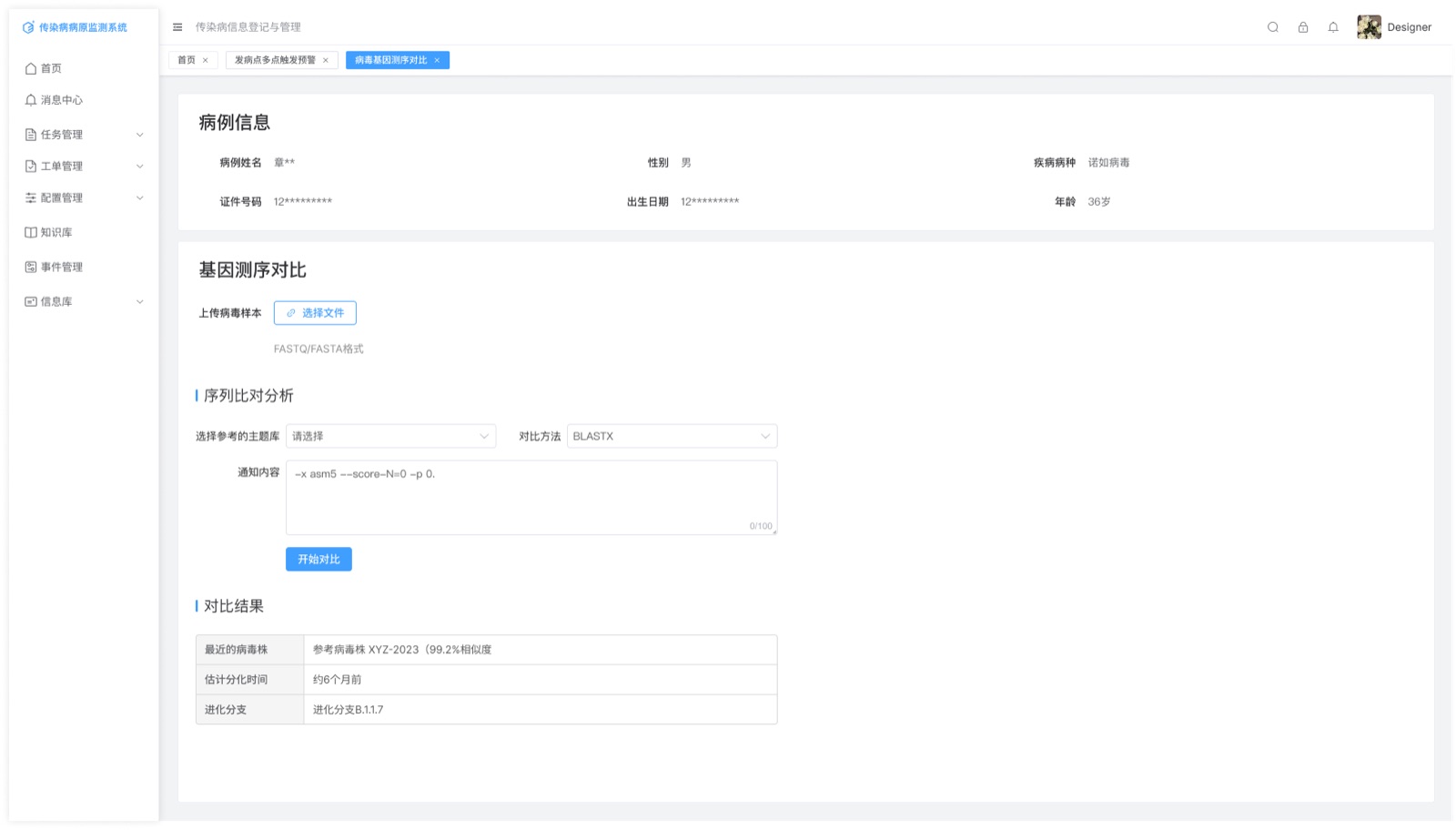
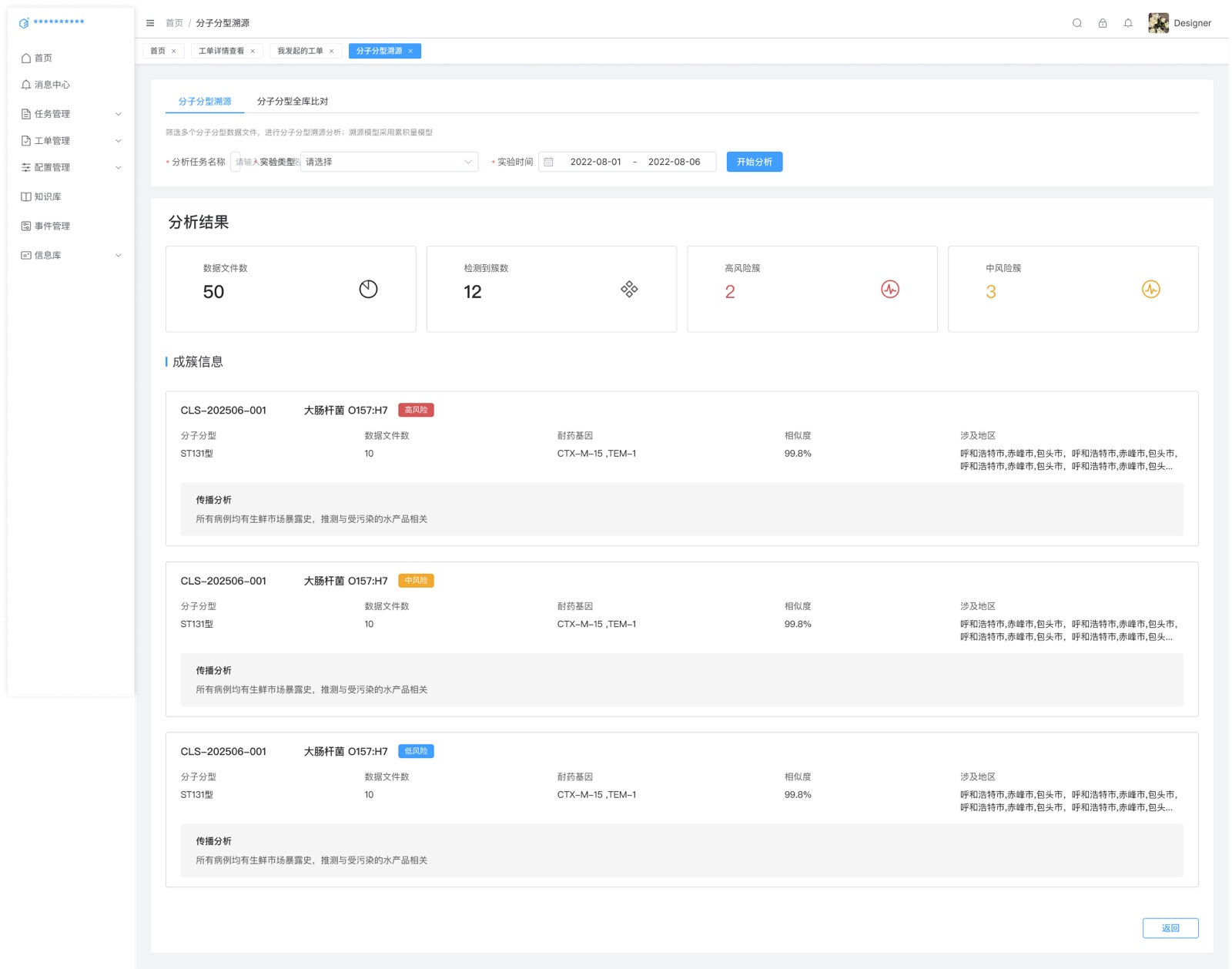
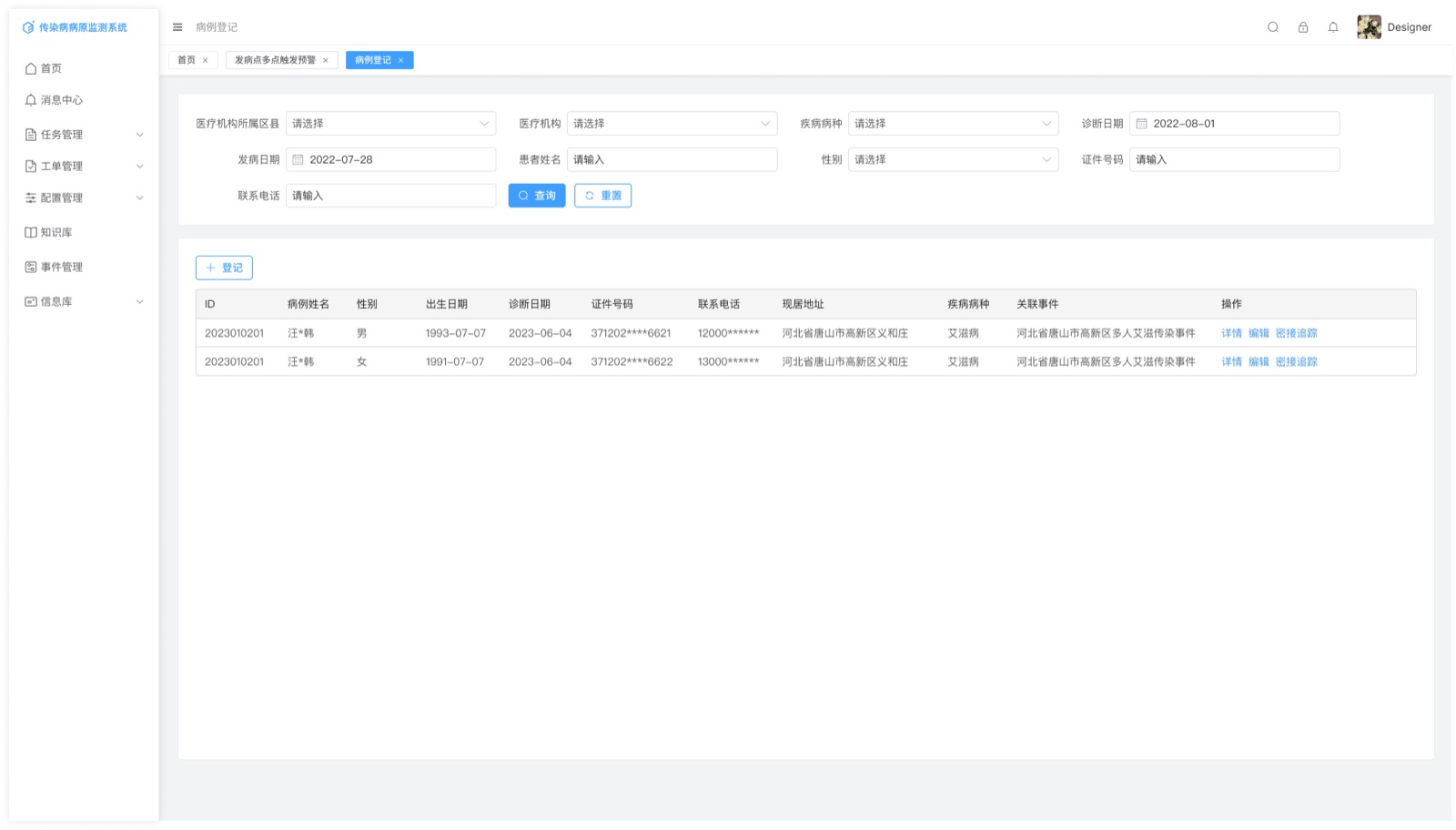
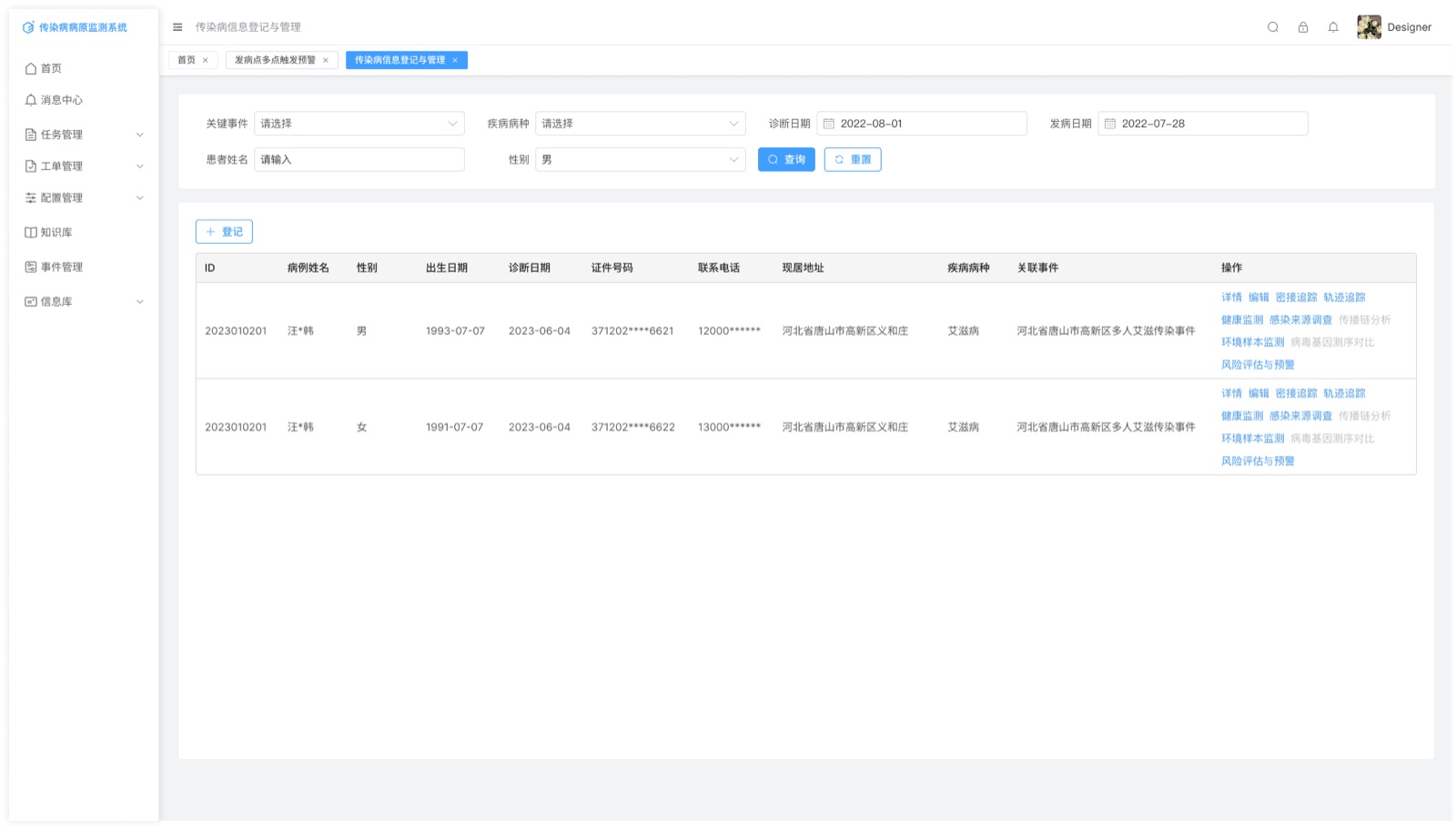
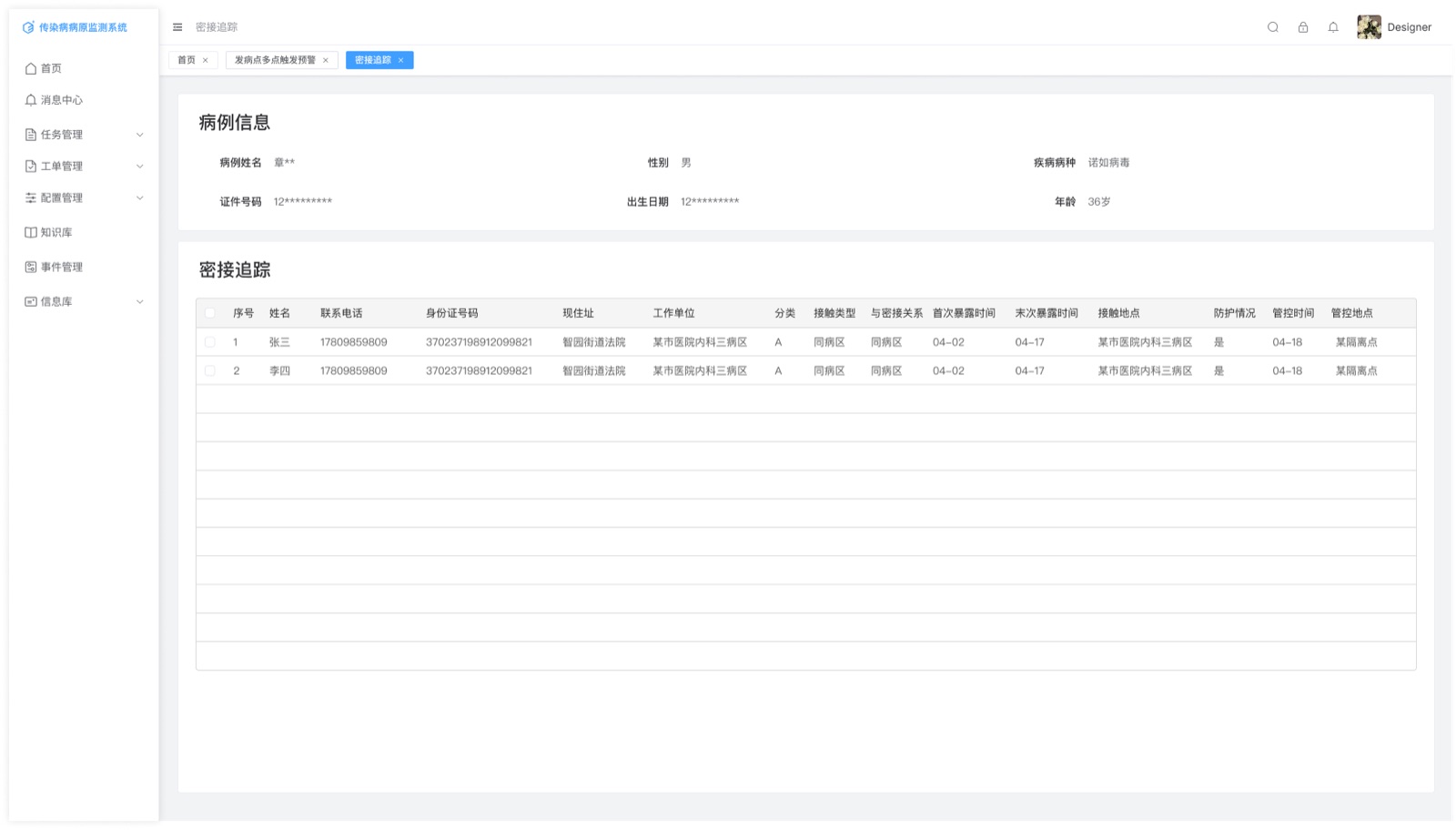
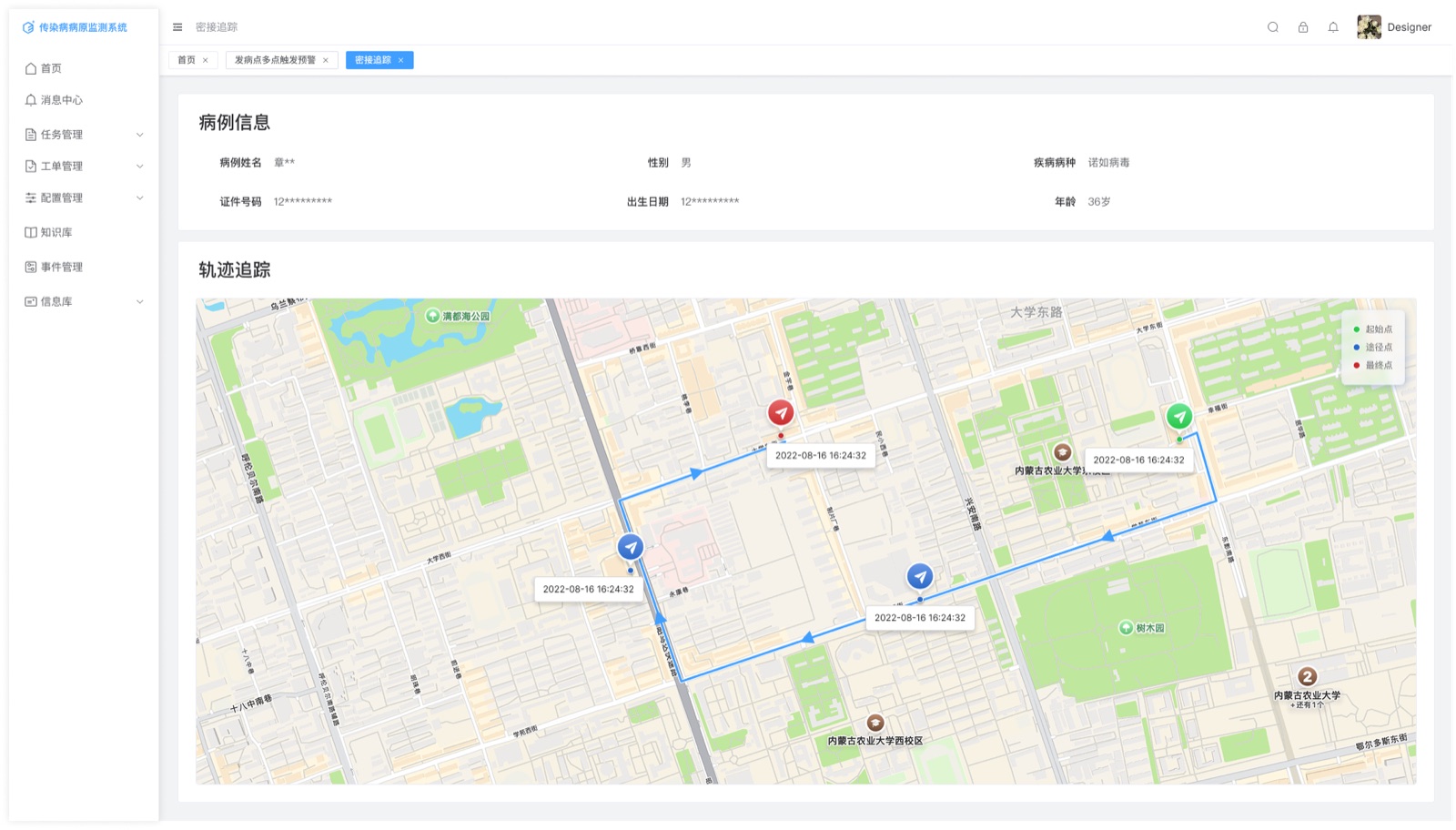
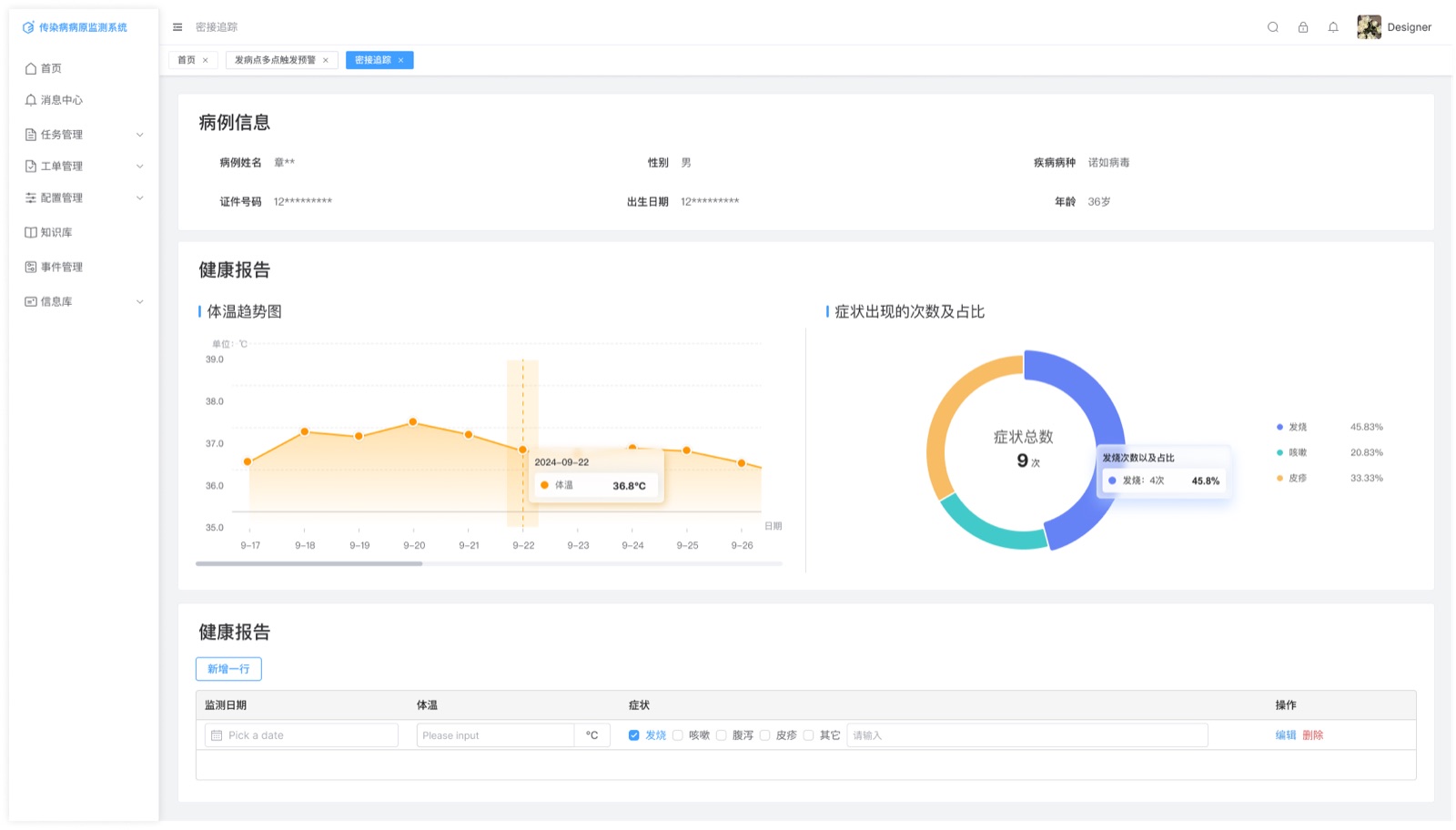
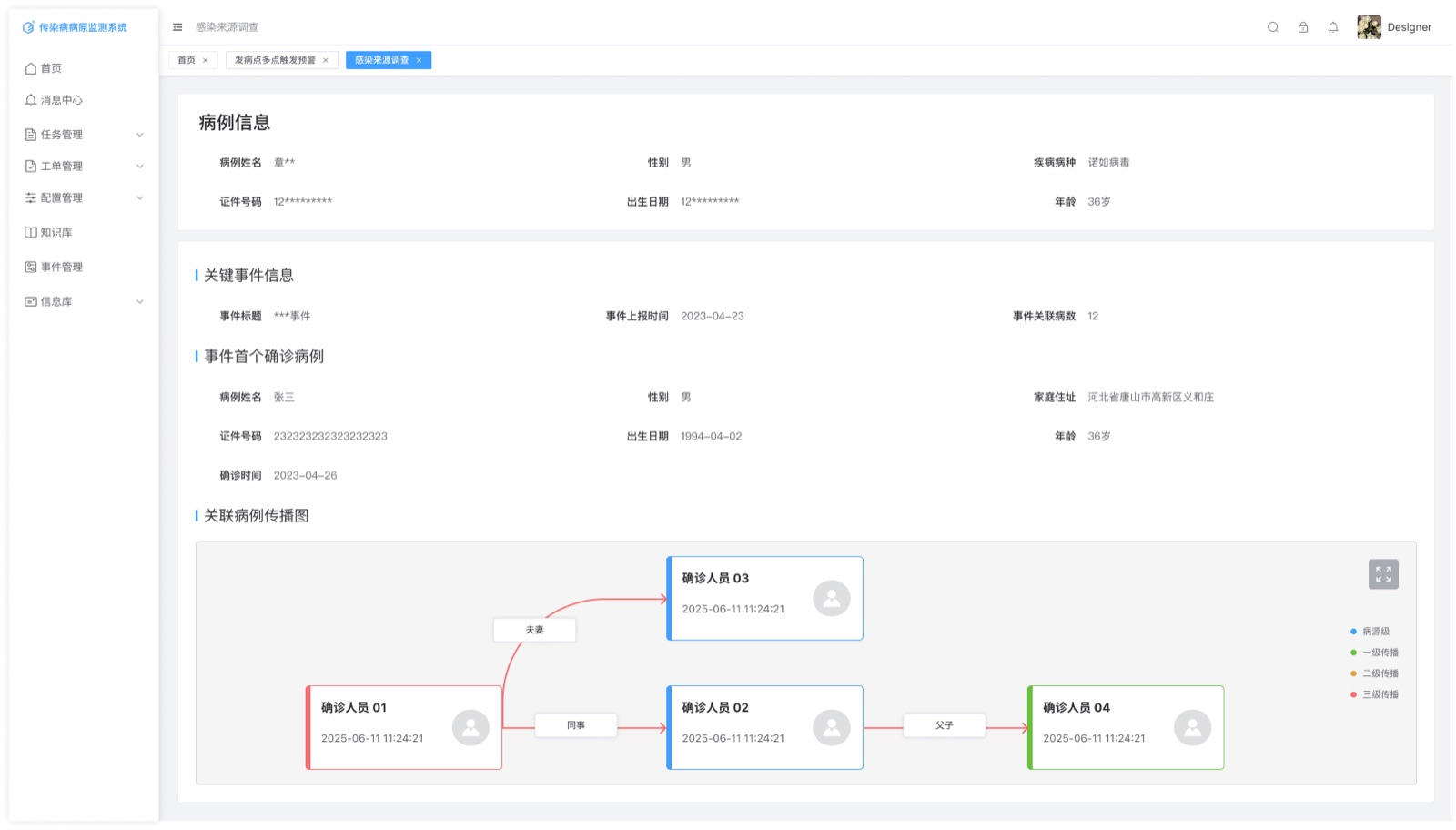
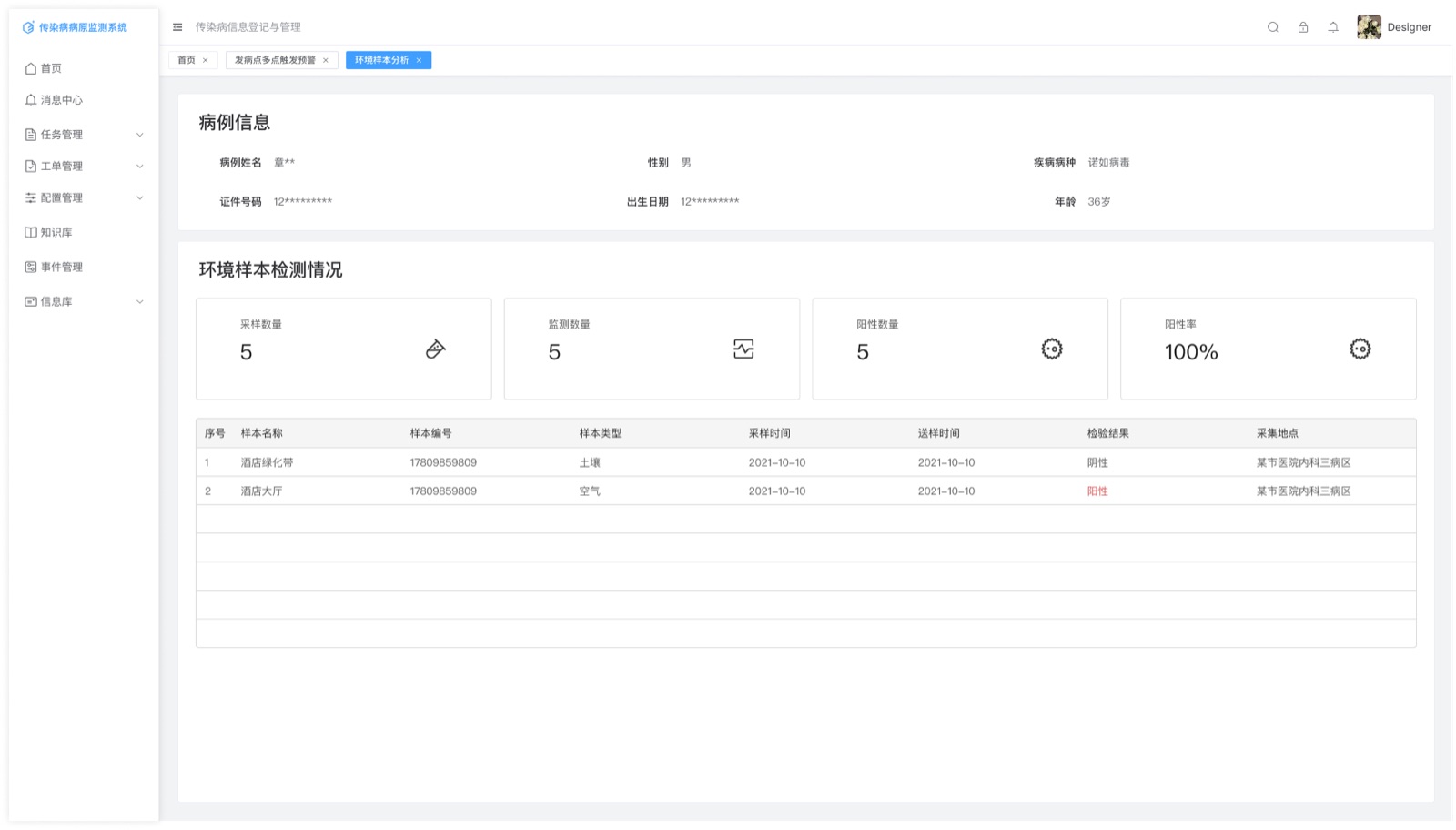
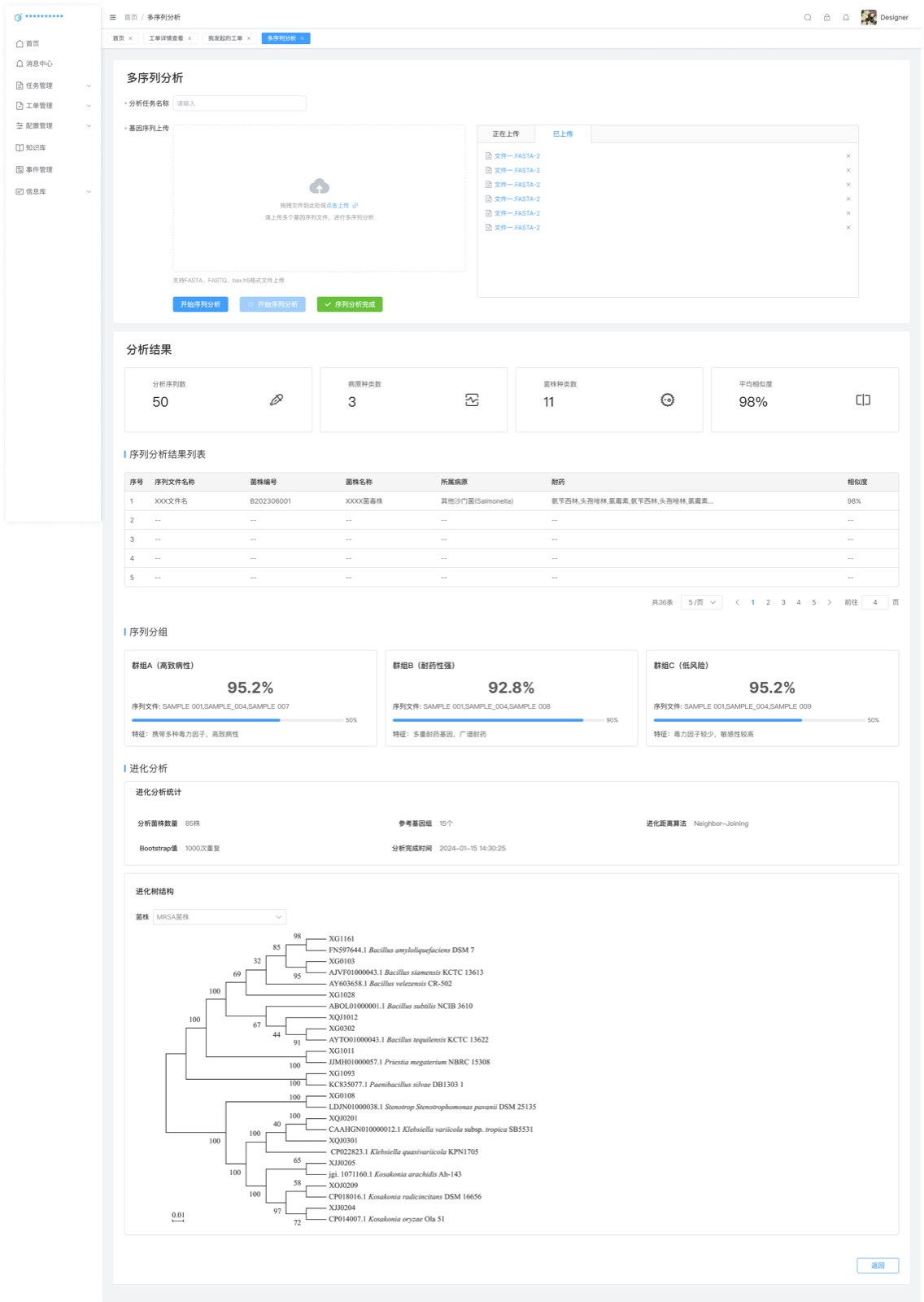
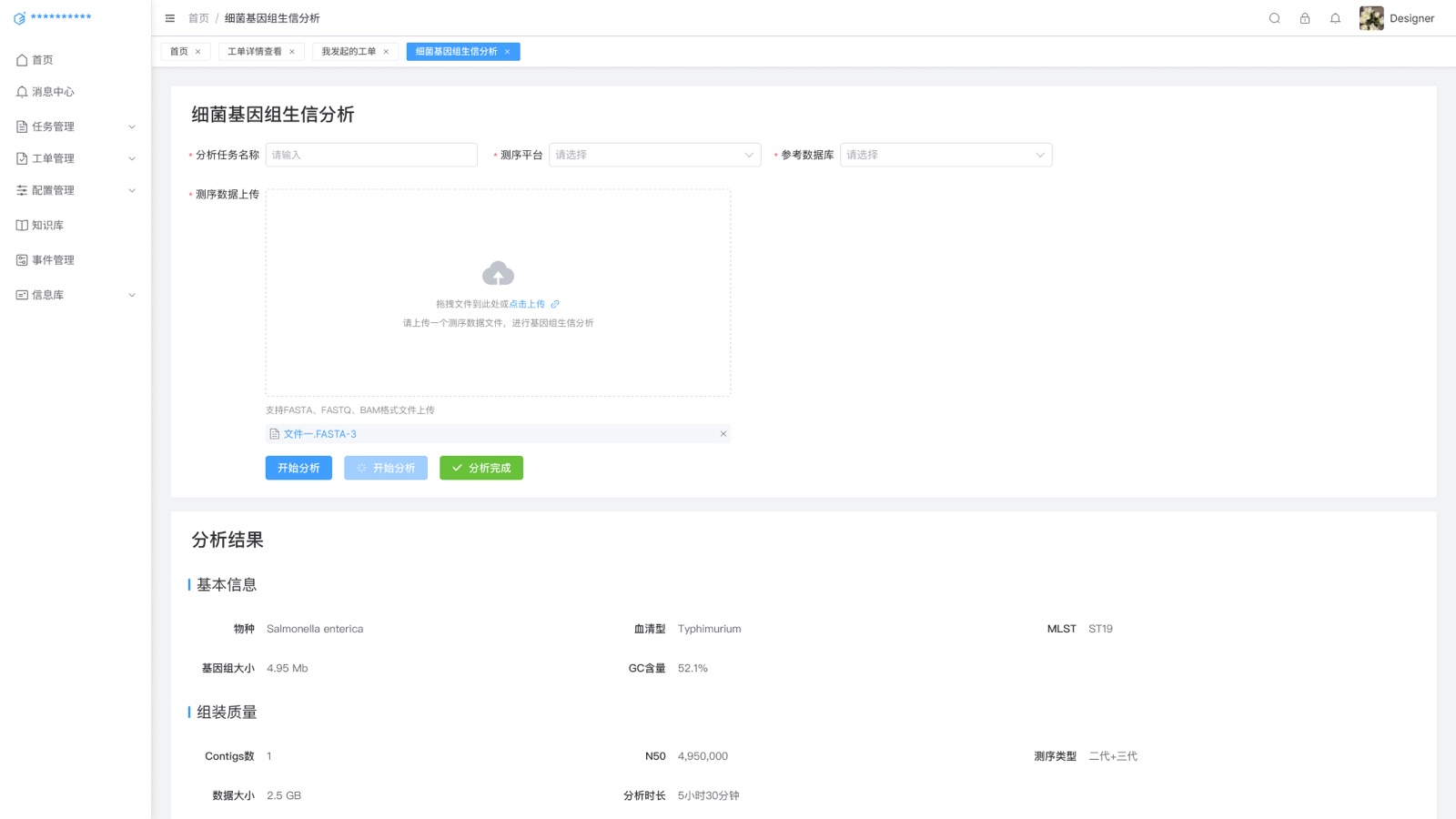
Infectious Disease Pathogen Monitoring System
Pathogen monitoring, case registration, sequencing, and risk assessment support source tracing.
Specialist test results are translated into case clues, spatial risk, and strain comparisons.
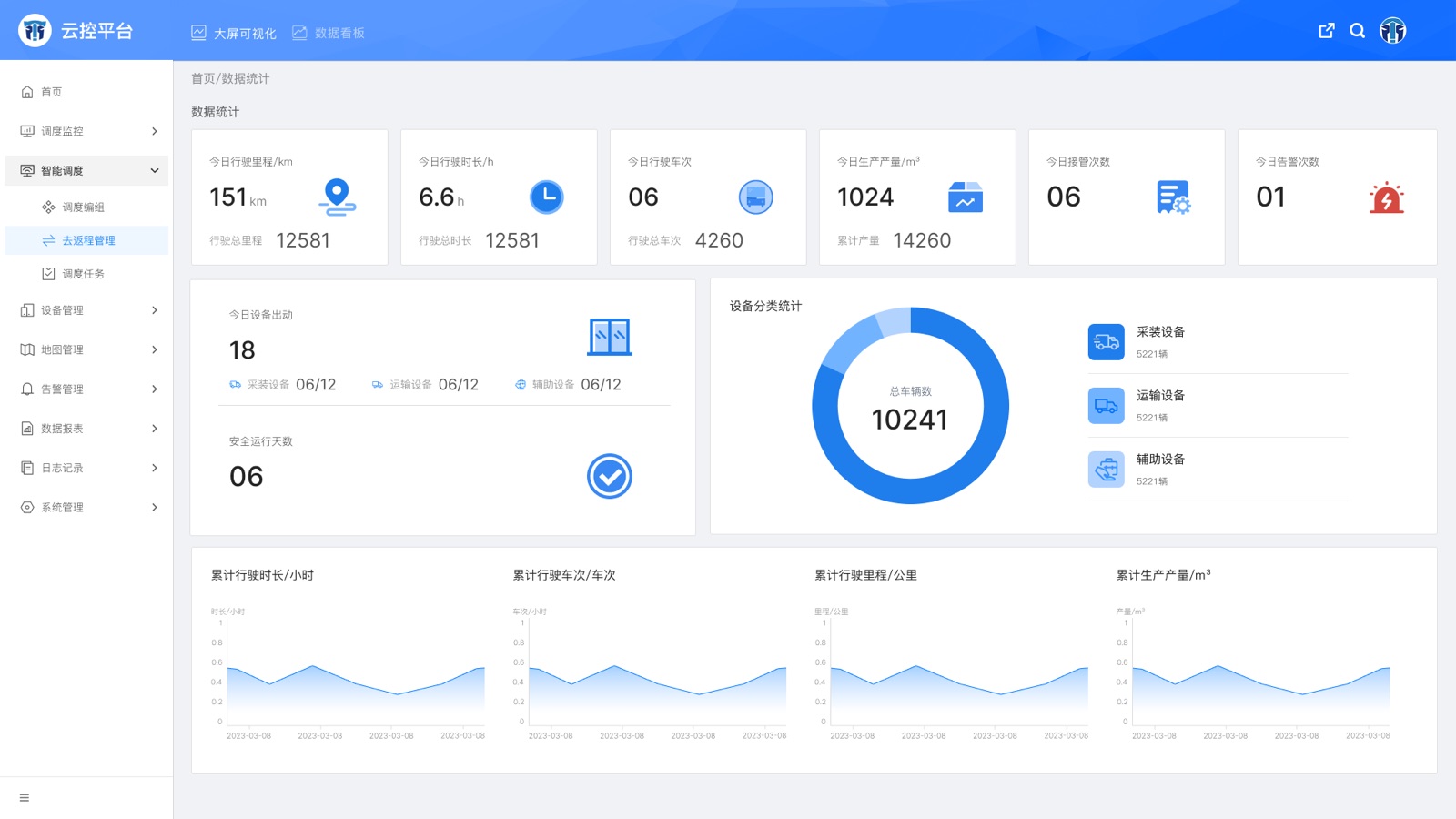
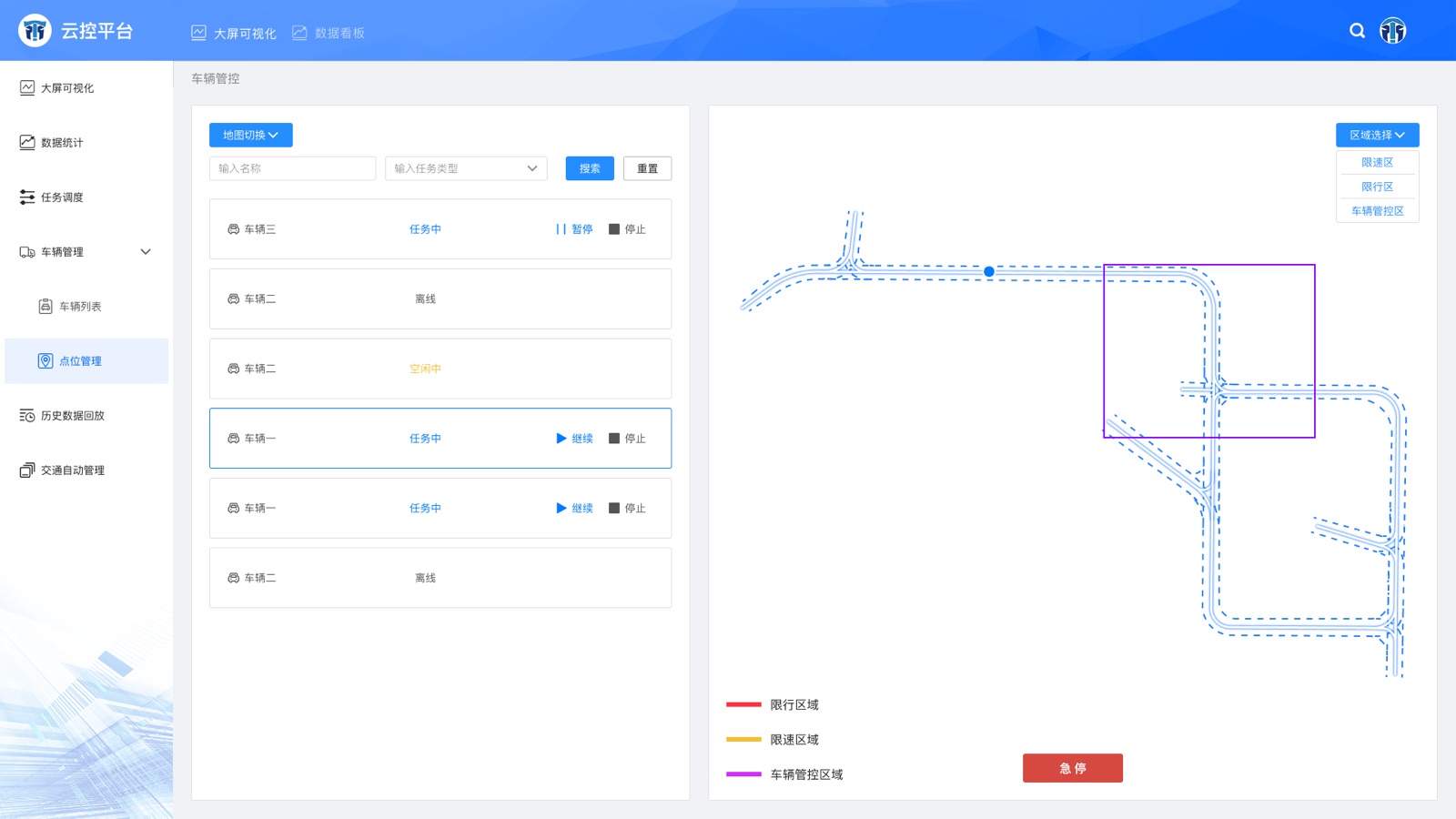
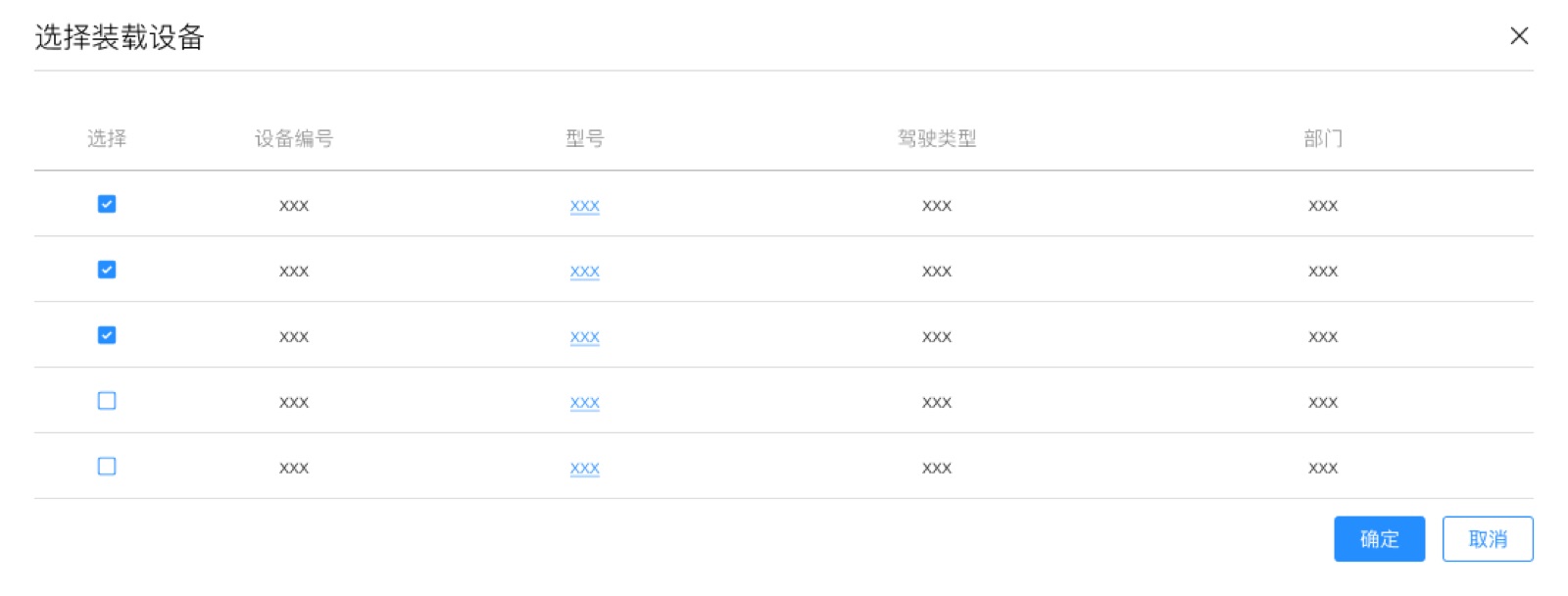
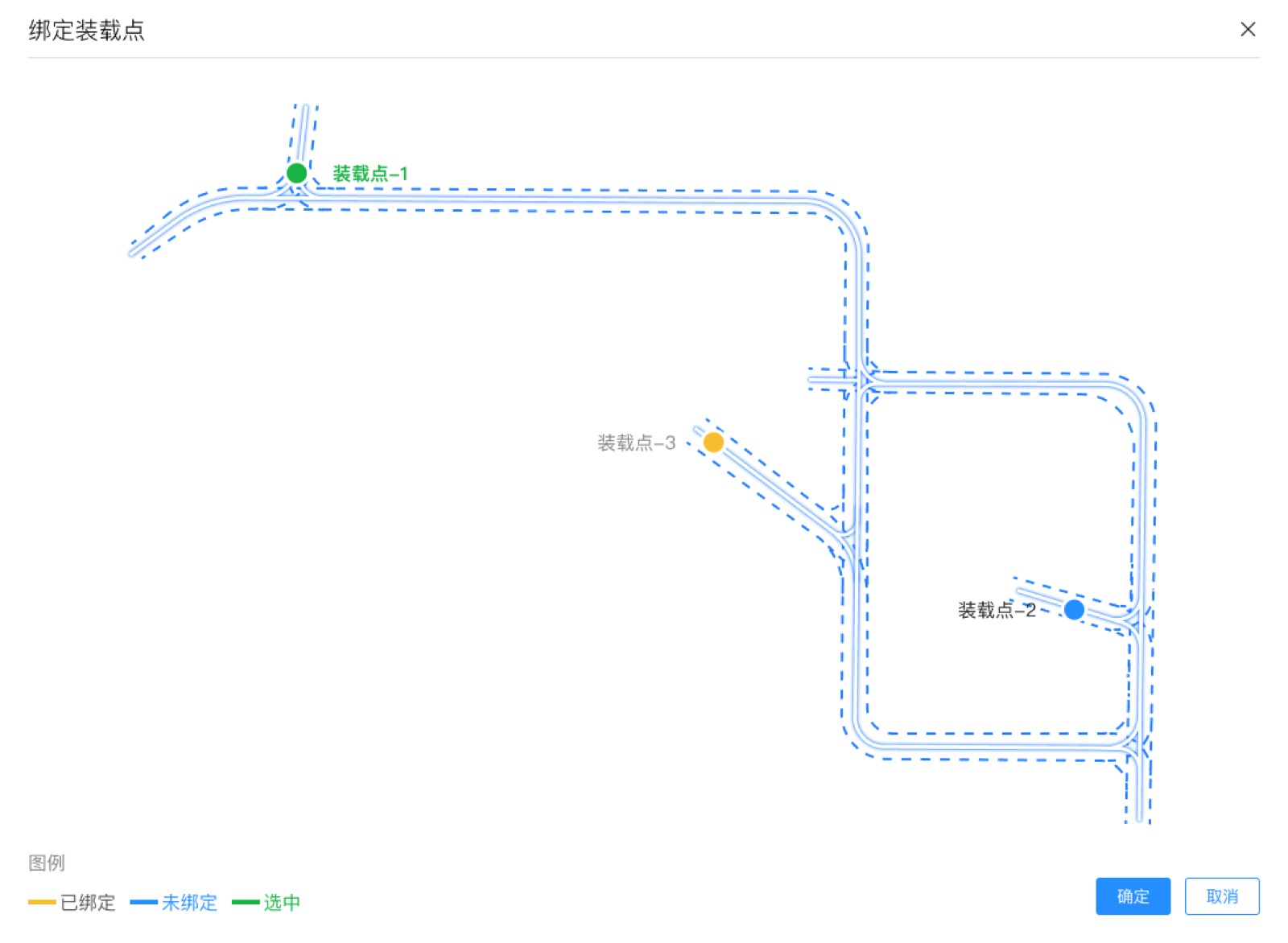
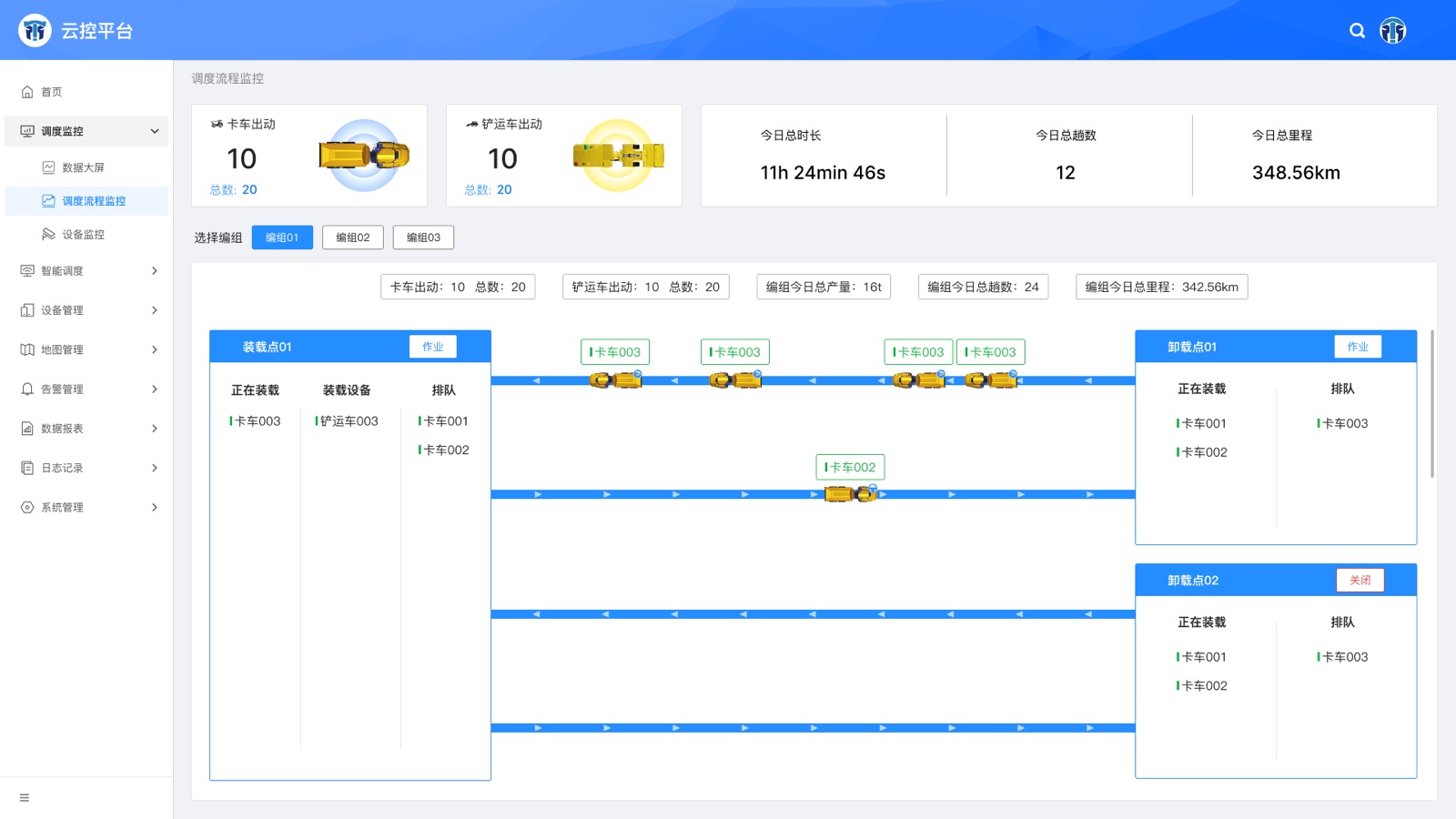
Cloud Control Management Platform
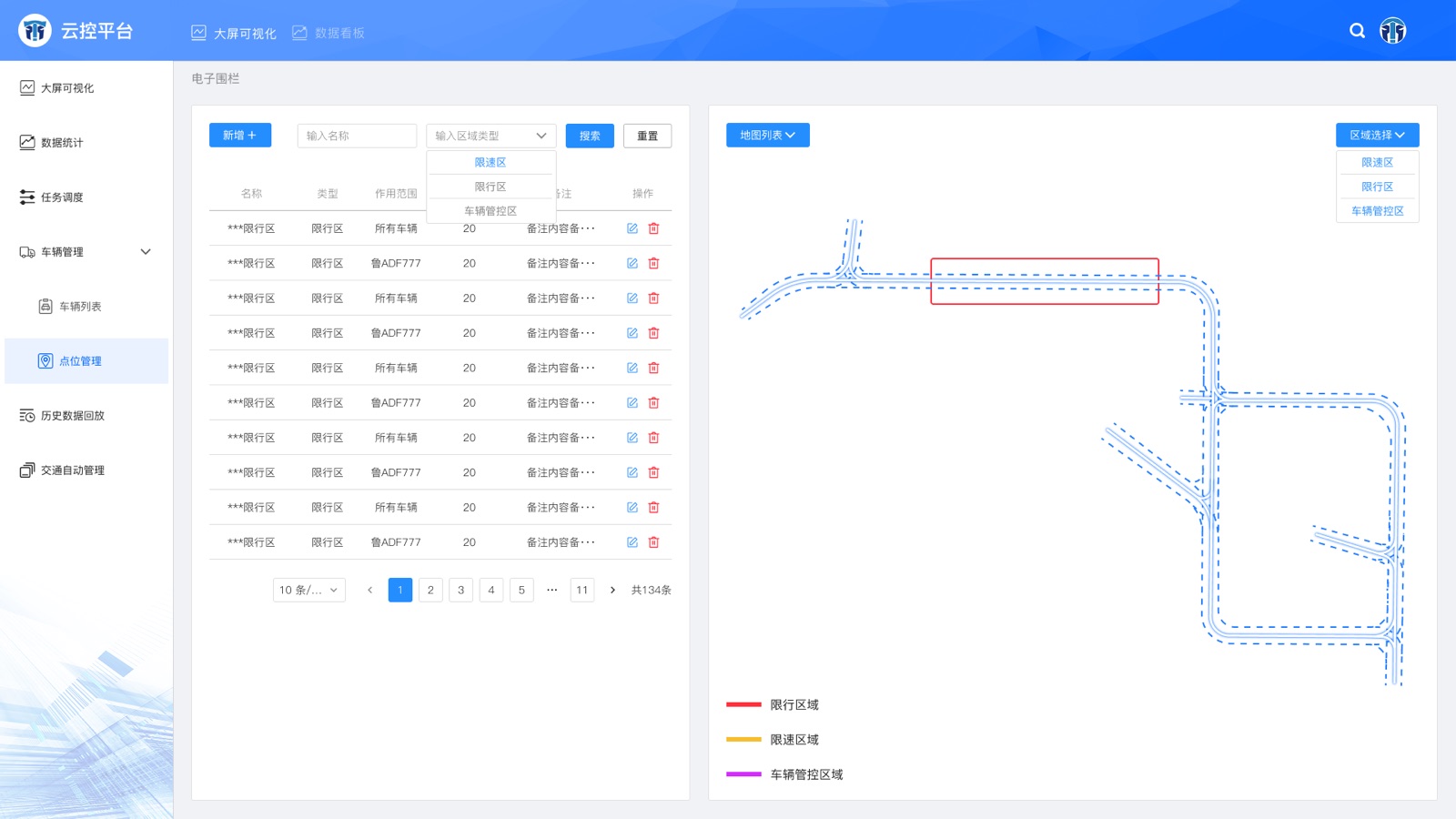
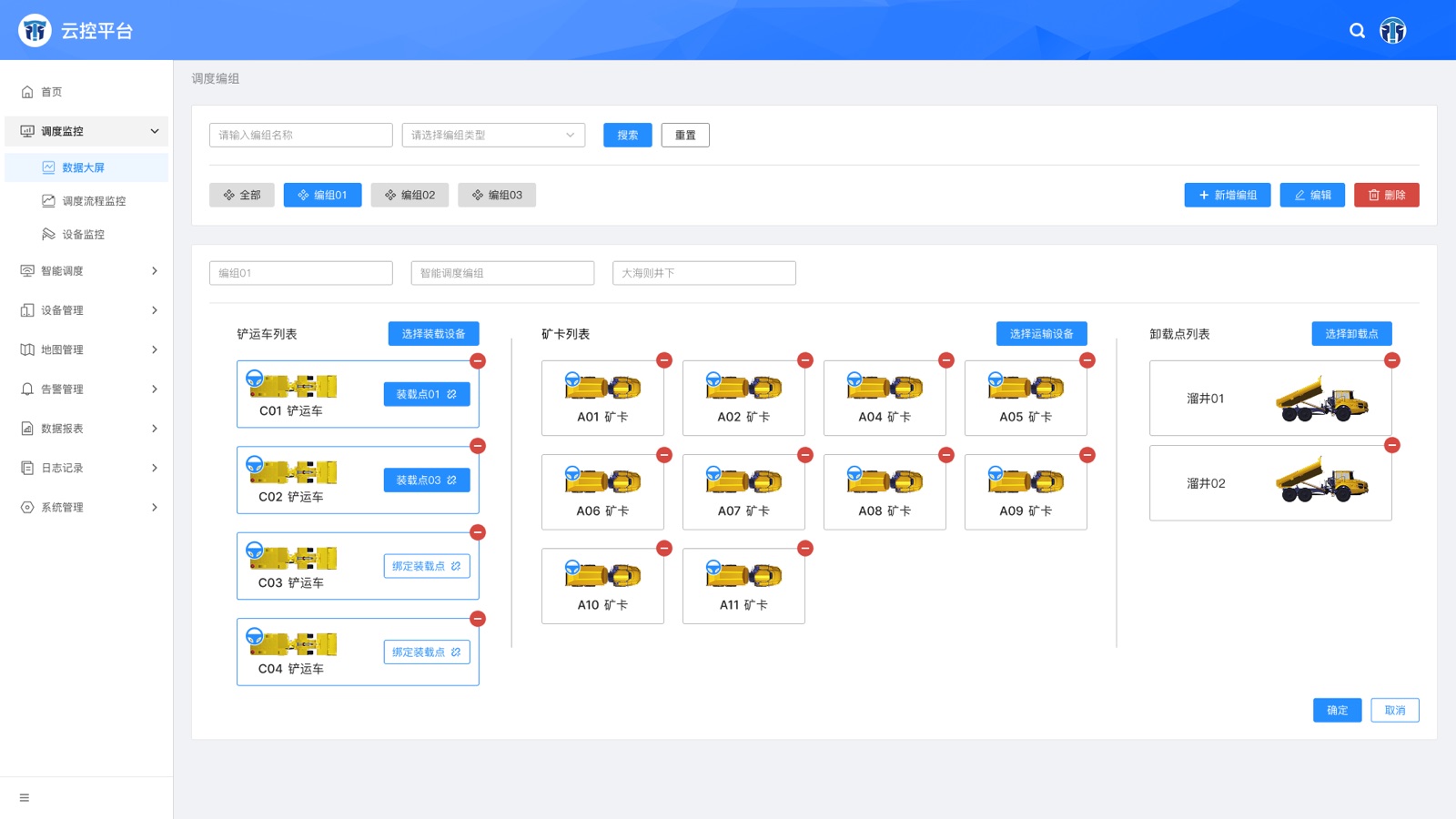
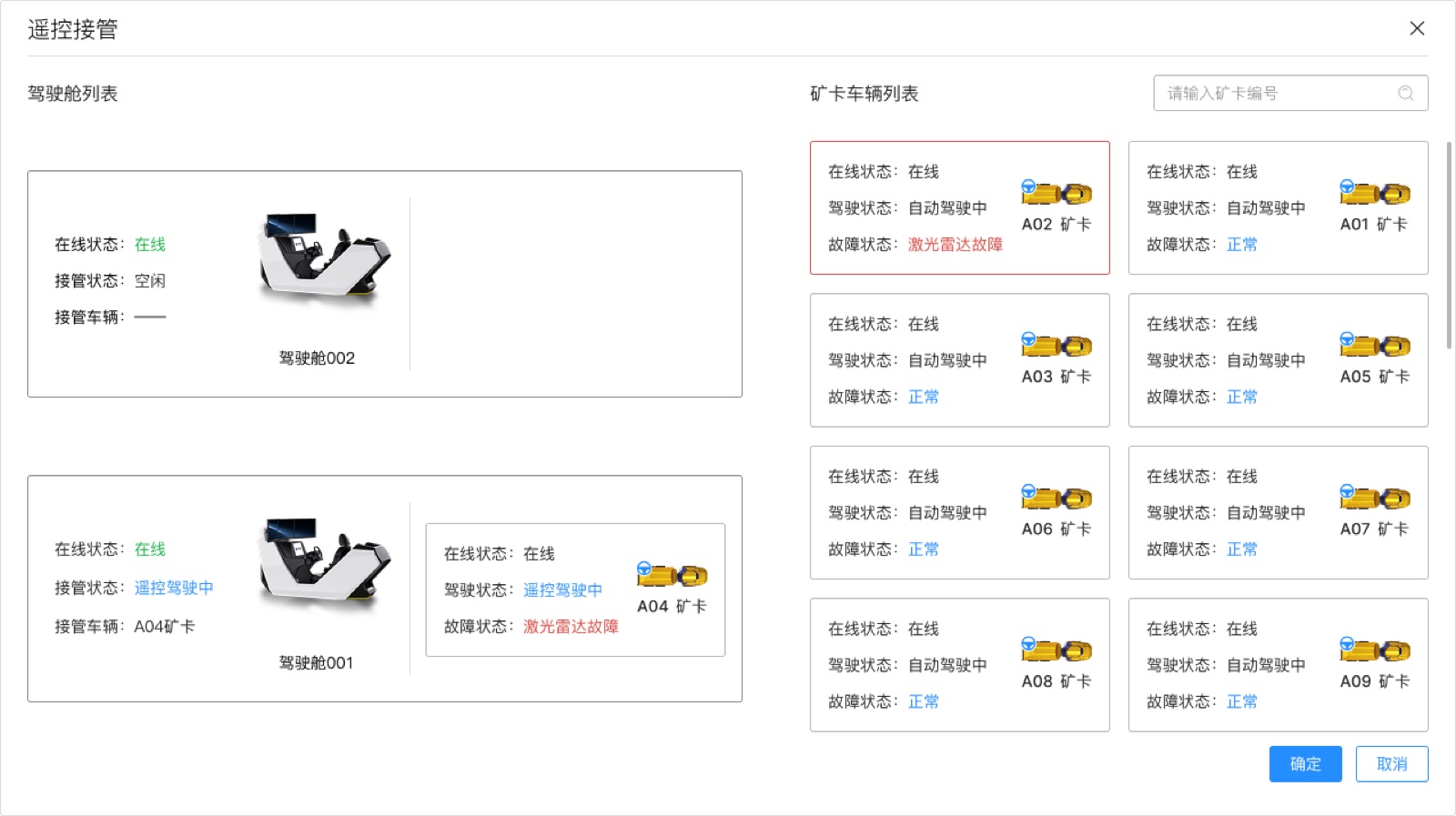
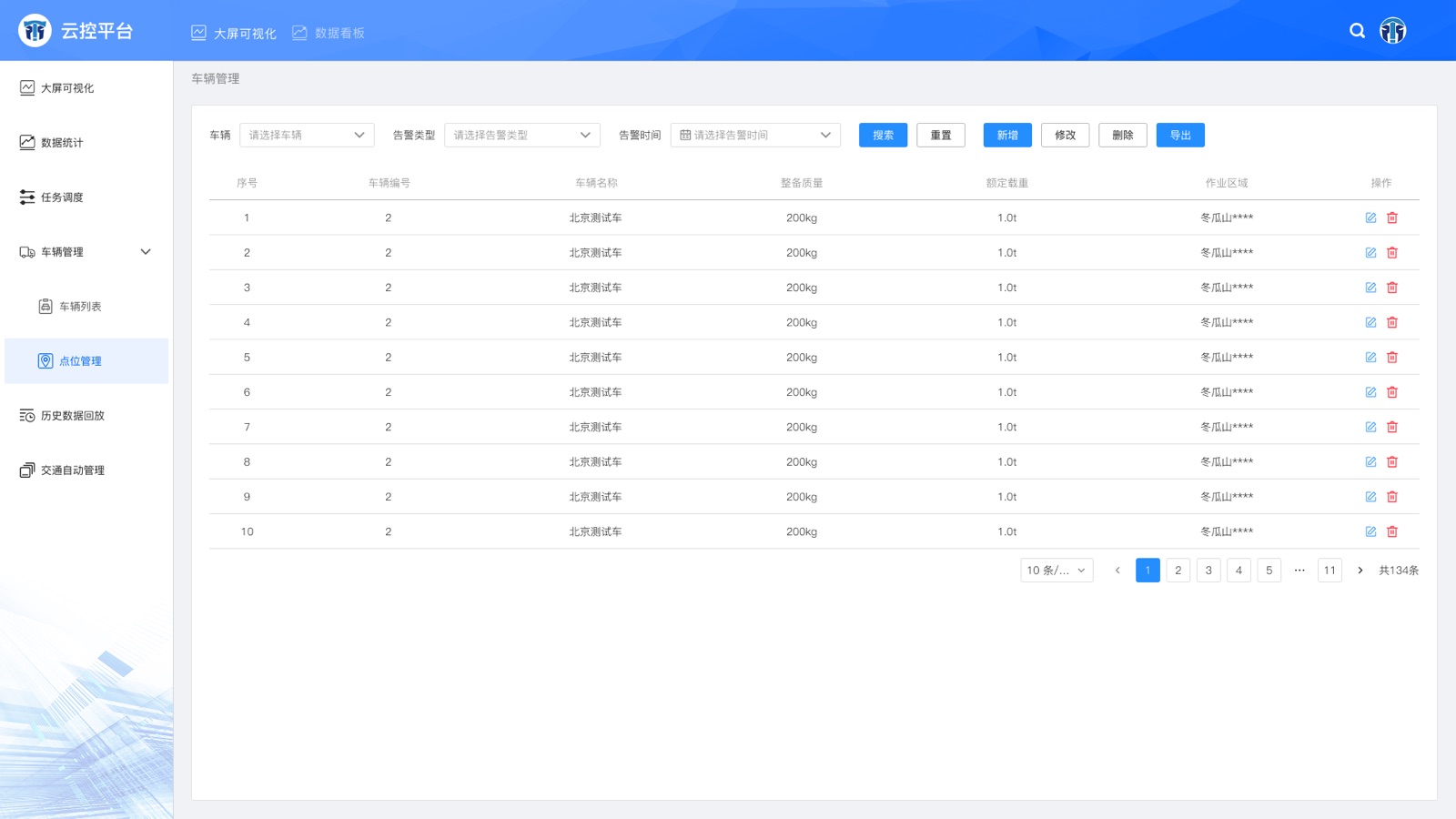
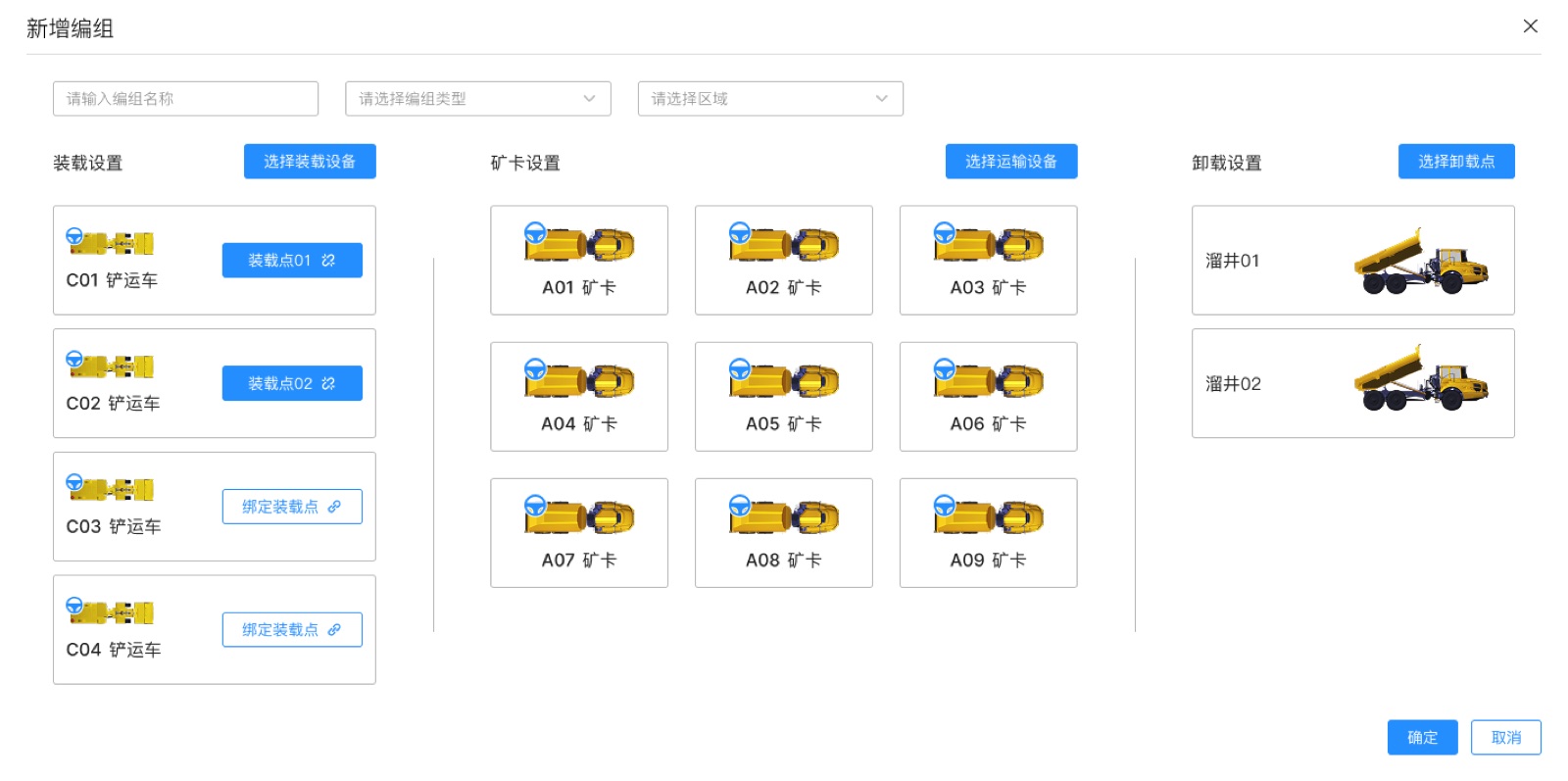
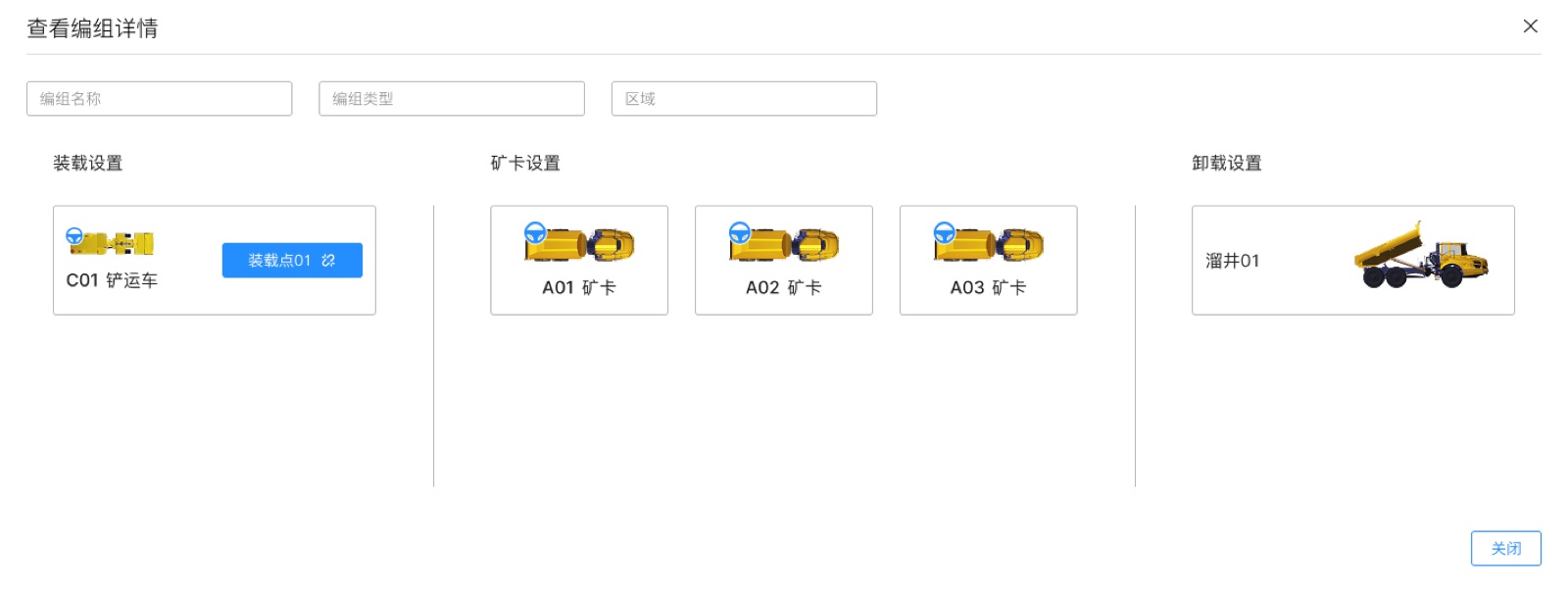
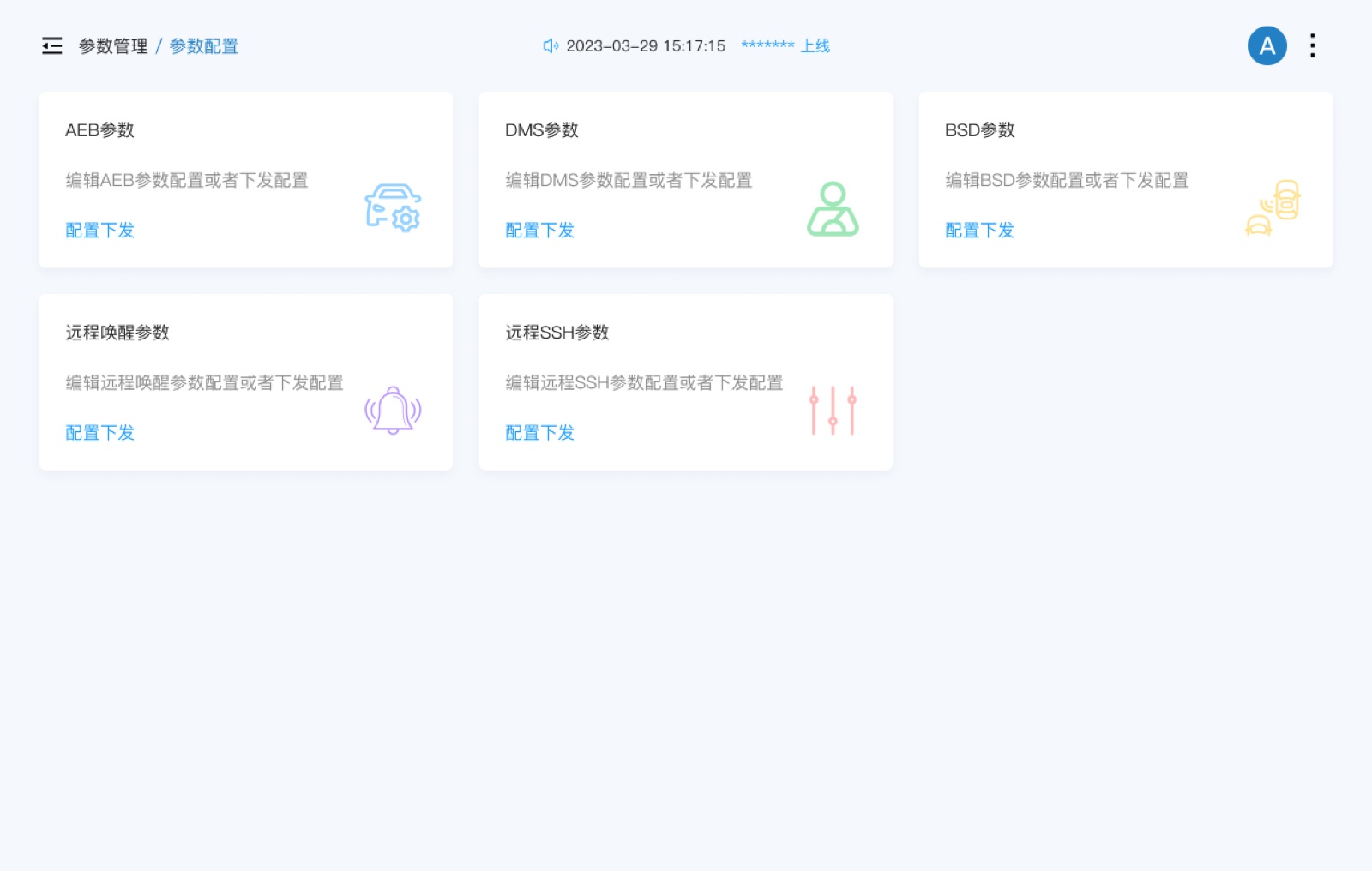
Vehicles, maps, geofences, and dispatch groups are brought into one cloud-control workspace.
The map holds spatial context, groups define dispatch objects, and remote takeover supports human intervention.
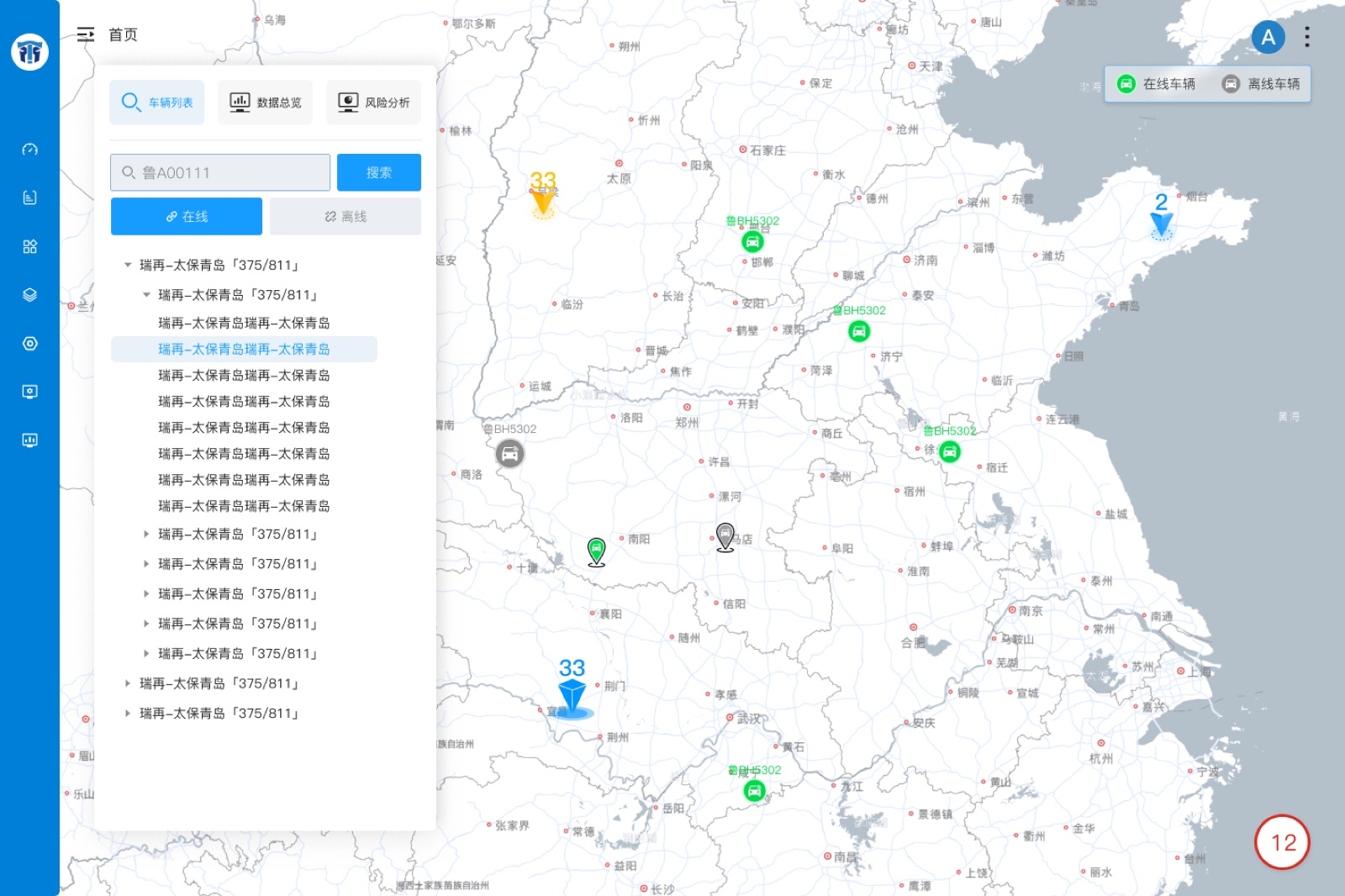
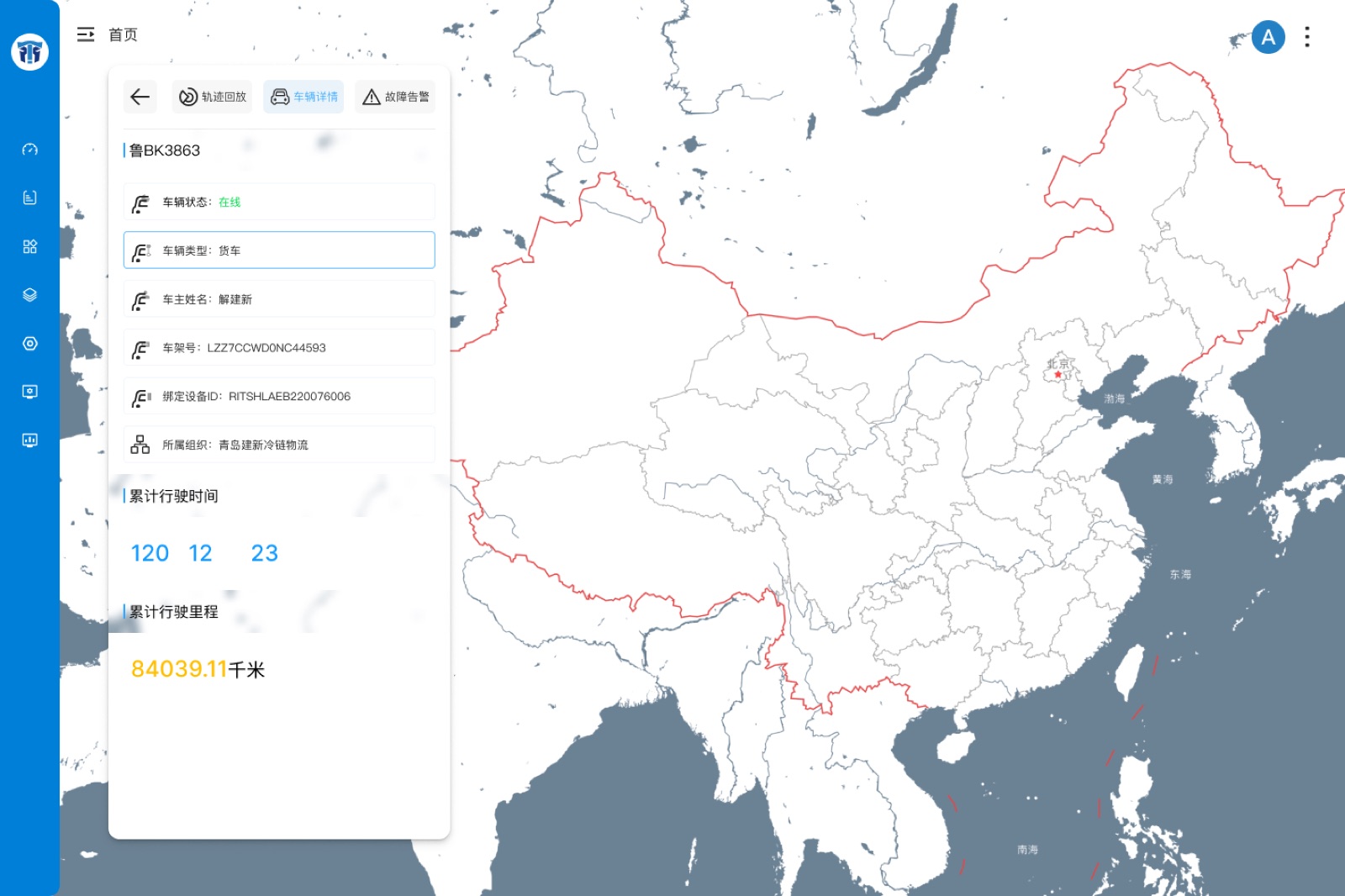
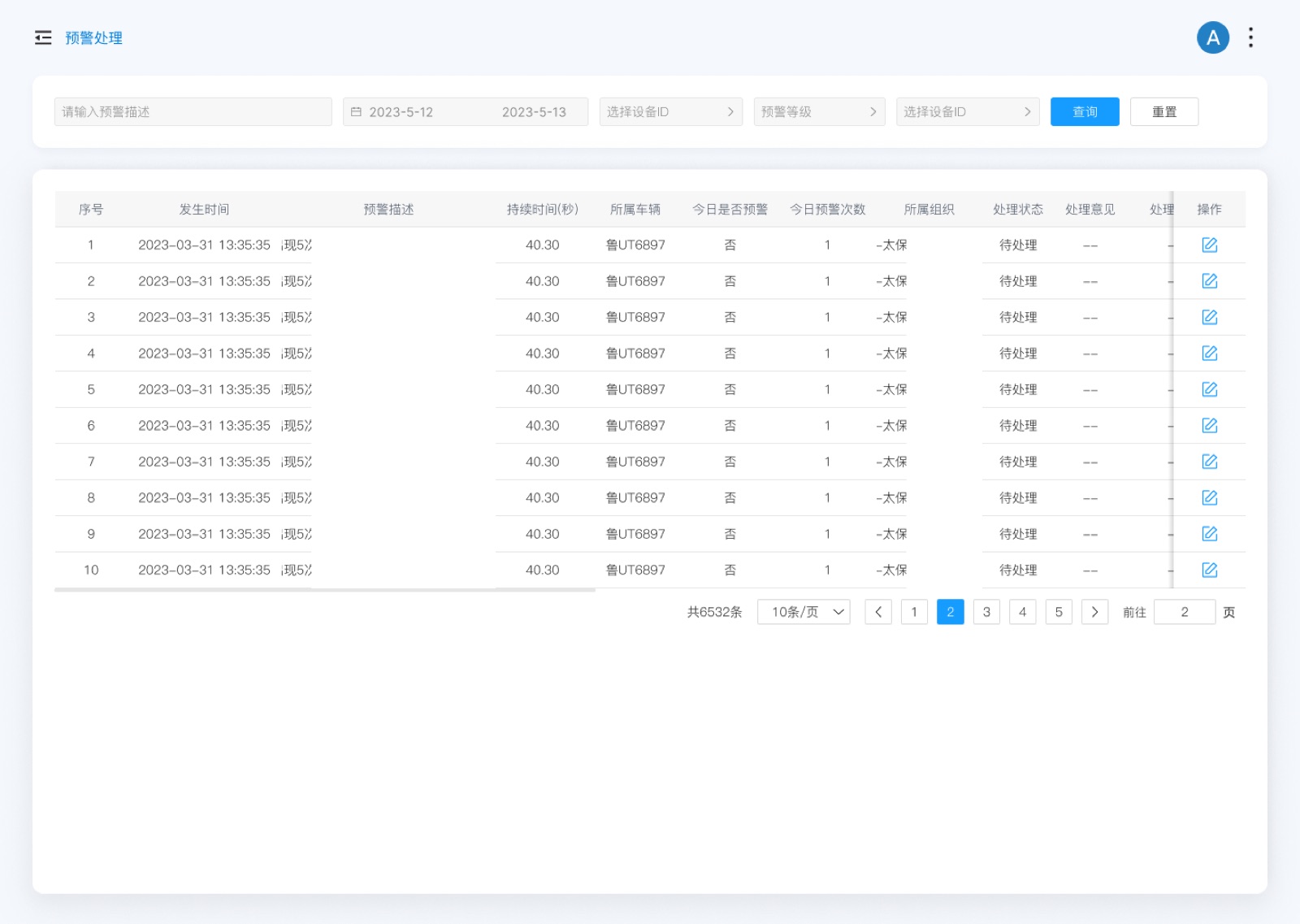
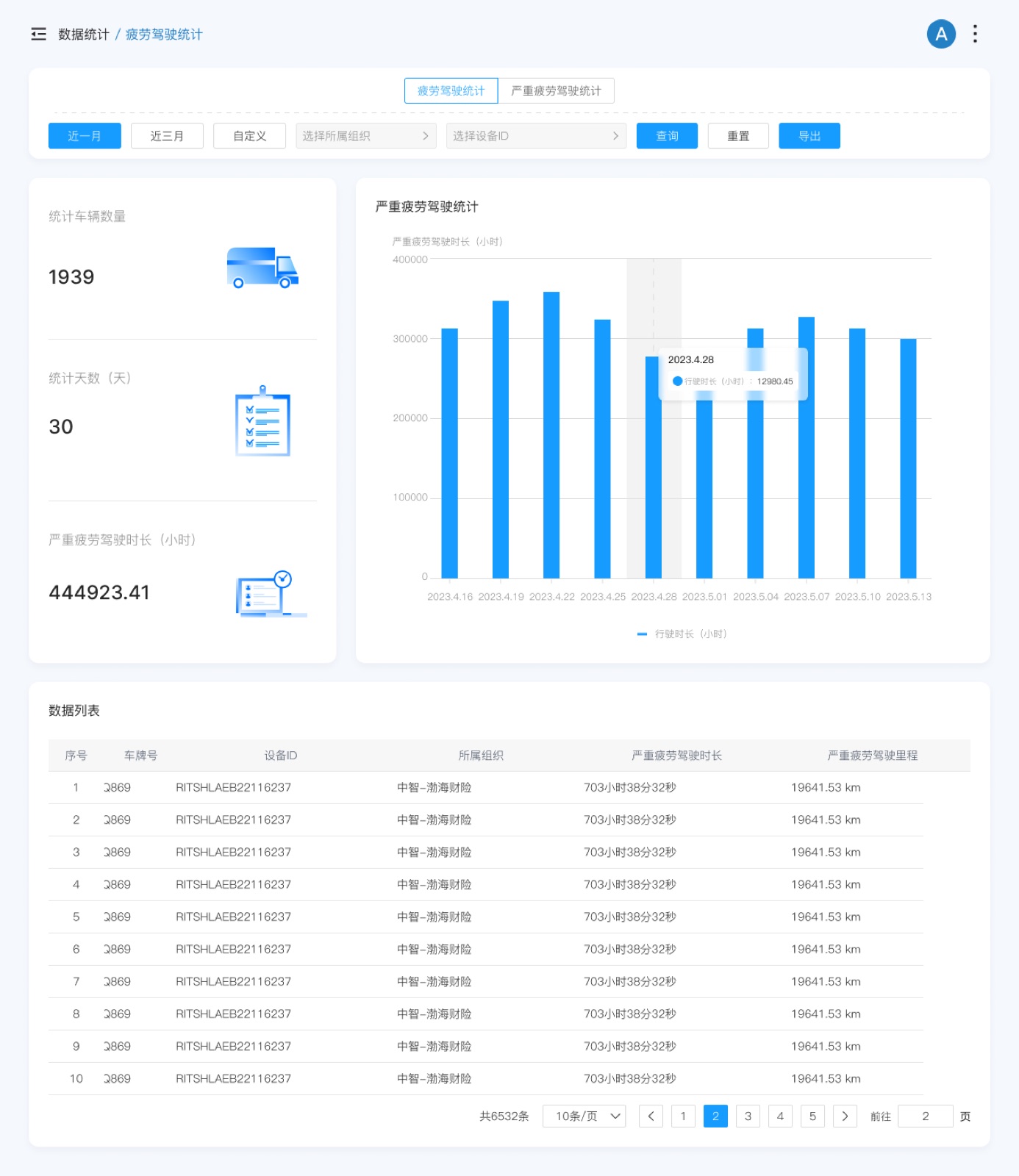
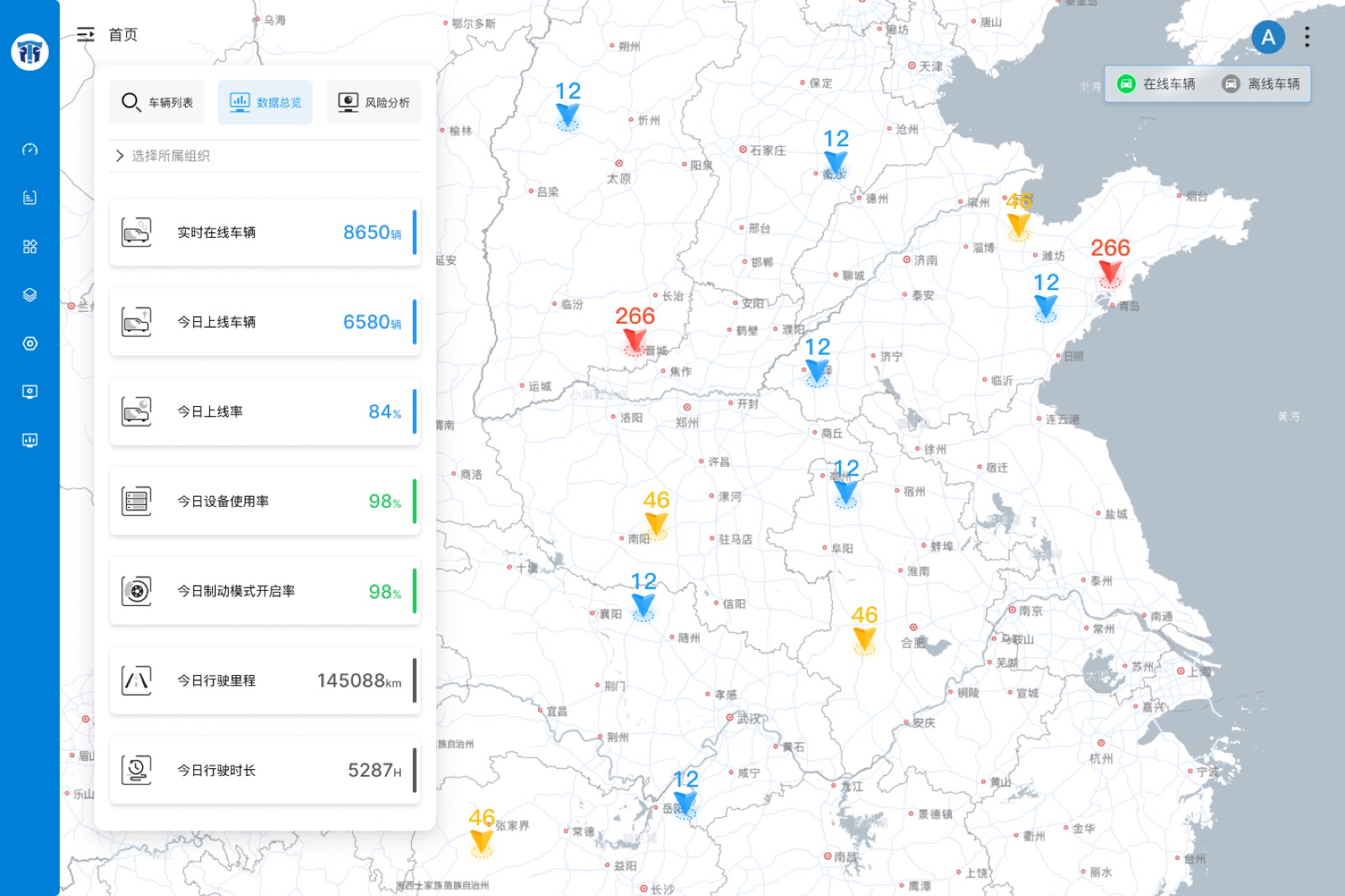
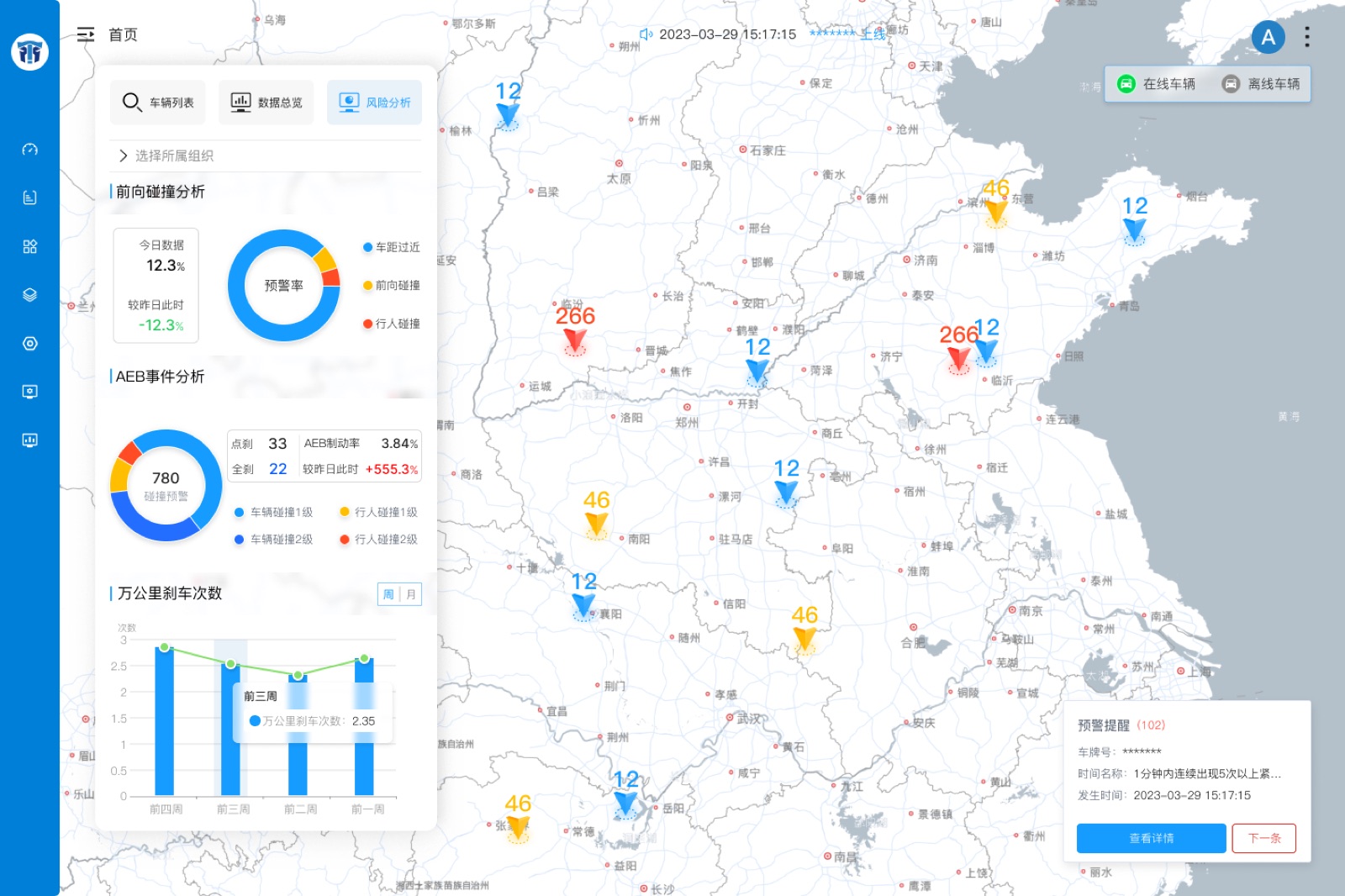
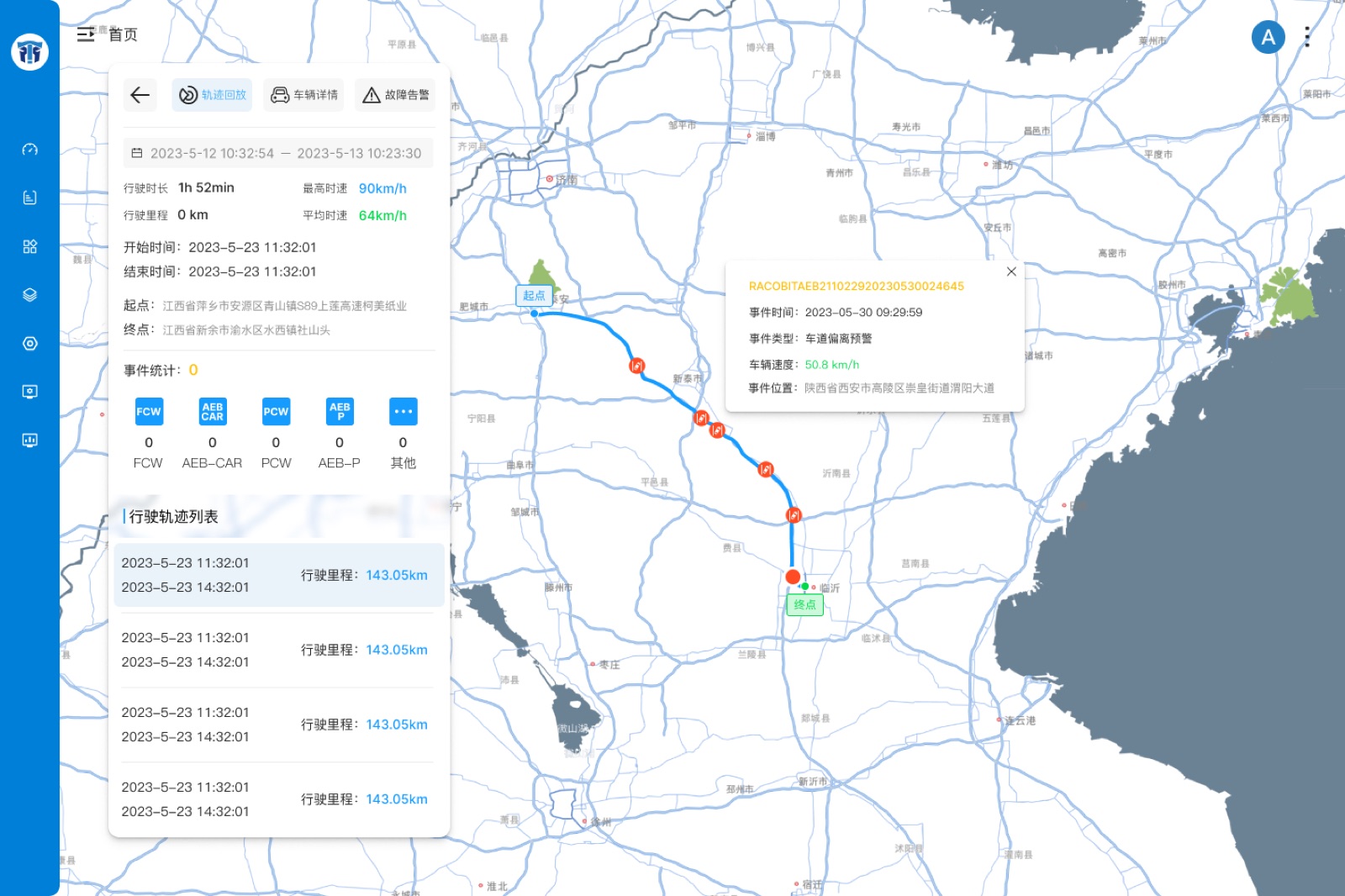
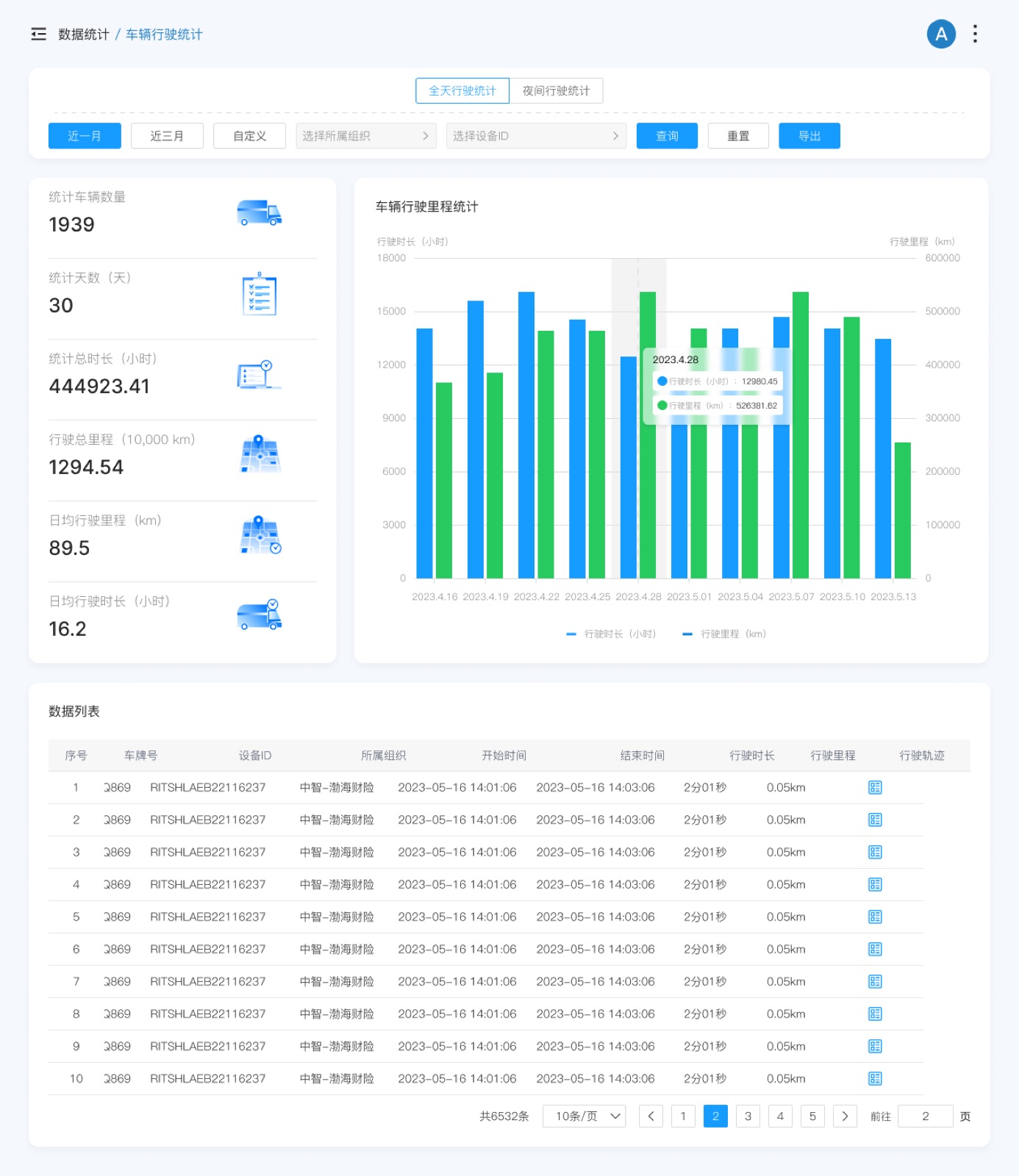
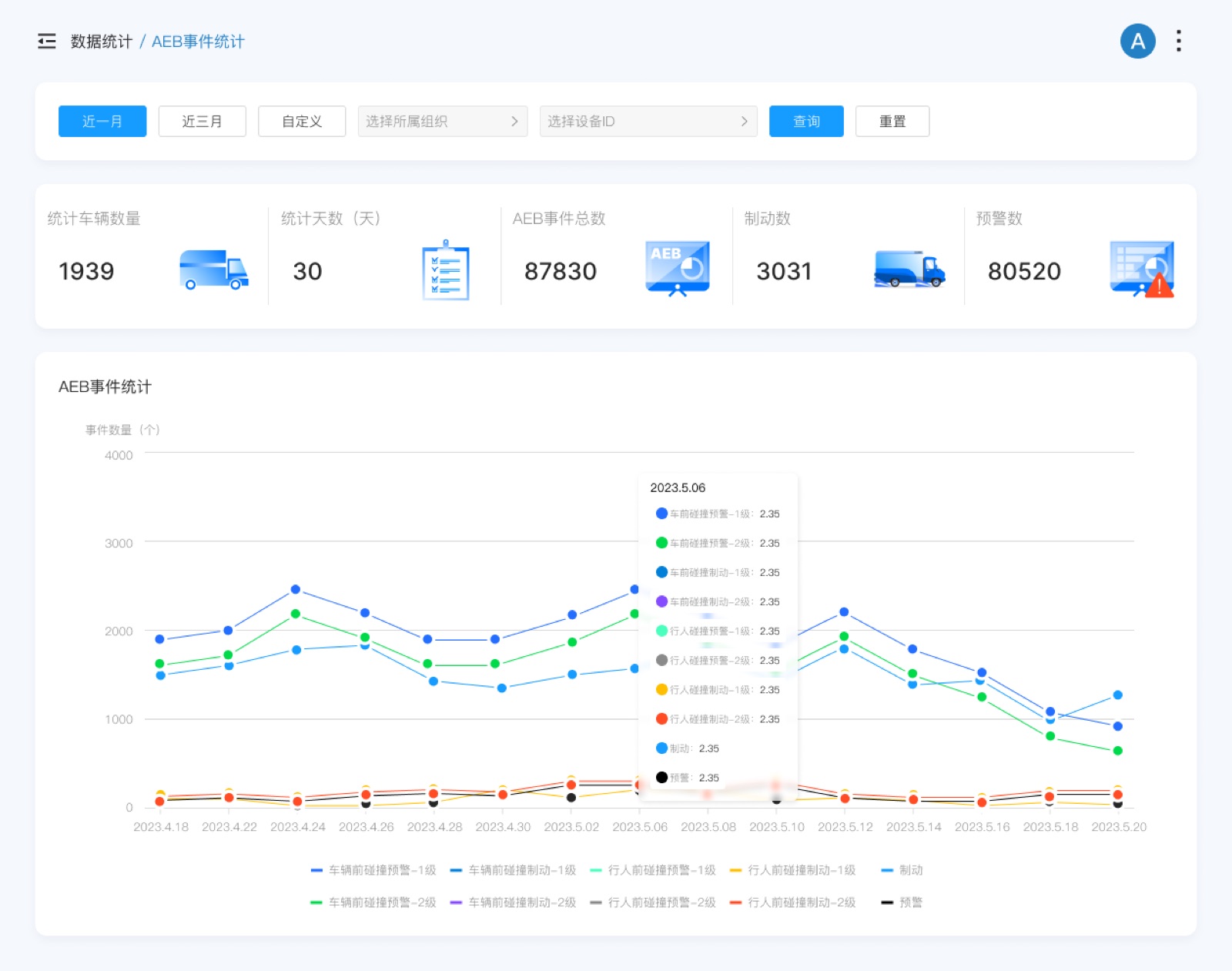
Vehicle Risk Control Platform
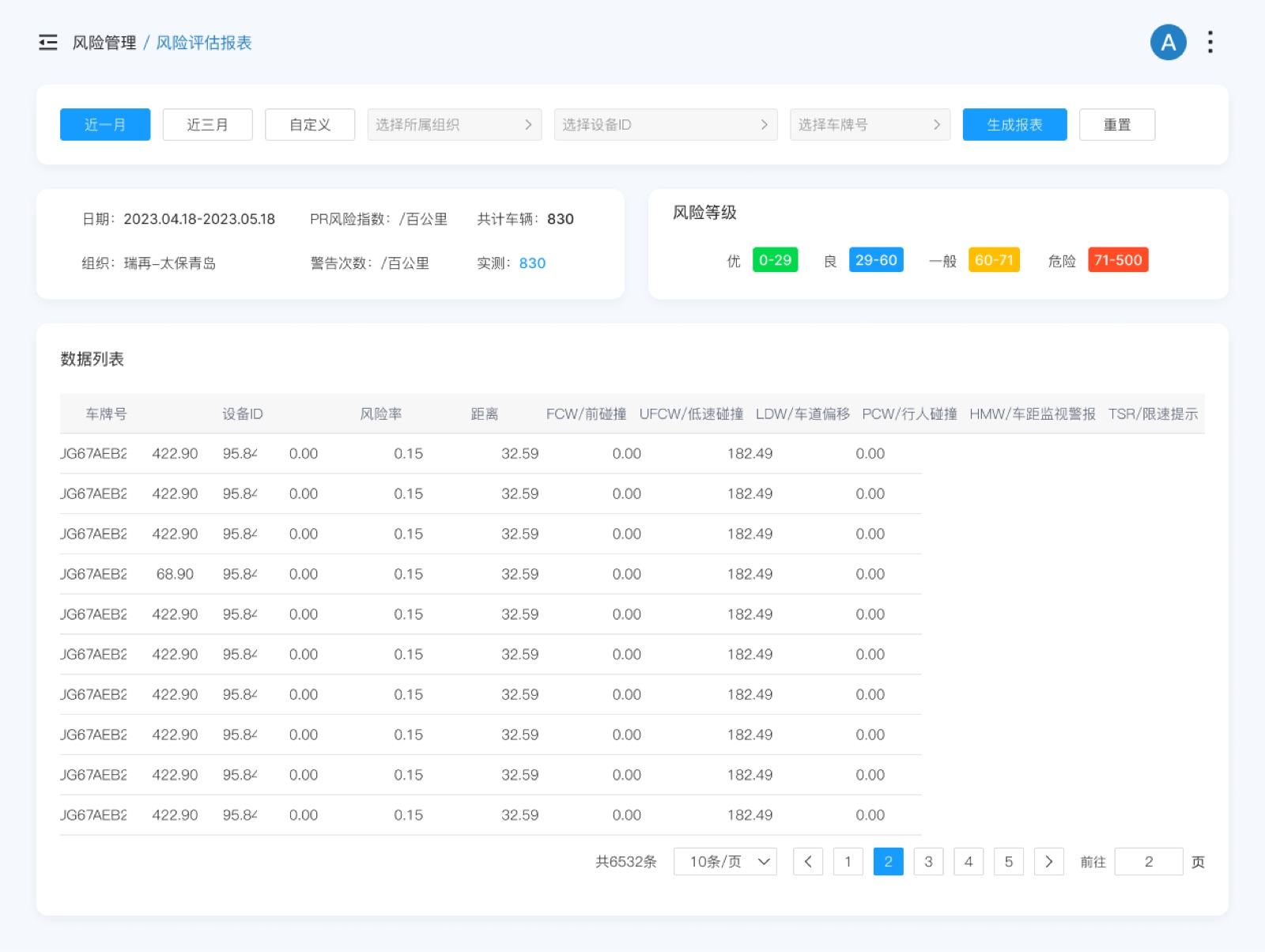
Vehicle risk status, GIS trajectories, warning handling, and reports form an operational loop.
Metrics show trends, maps show individual objects, warnings show actions, and reports retain decision-relevant dimensions.